That relaxed, open-top silhouette you see everywhere, often cinched with a drawstring, is called a bucket bag. It looks simple, but it’s more than a trend. The design serves a clear purpose, offering roomy utility without feeling bulky, and it adapts to different materials, sizes, and daily needs.
This guide explains what a bucket bag really is, the design details that define it, how to choose one for your body and routine, and how to care for it so it lasts. We’ll cover materials, inside organization, styling tips, and what to expect when you buy one for everyday use or wholesale for your shop.
The Bucket Bag Defined
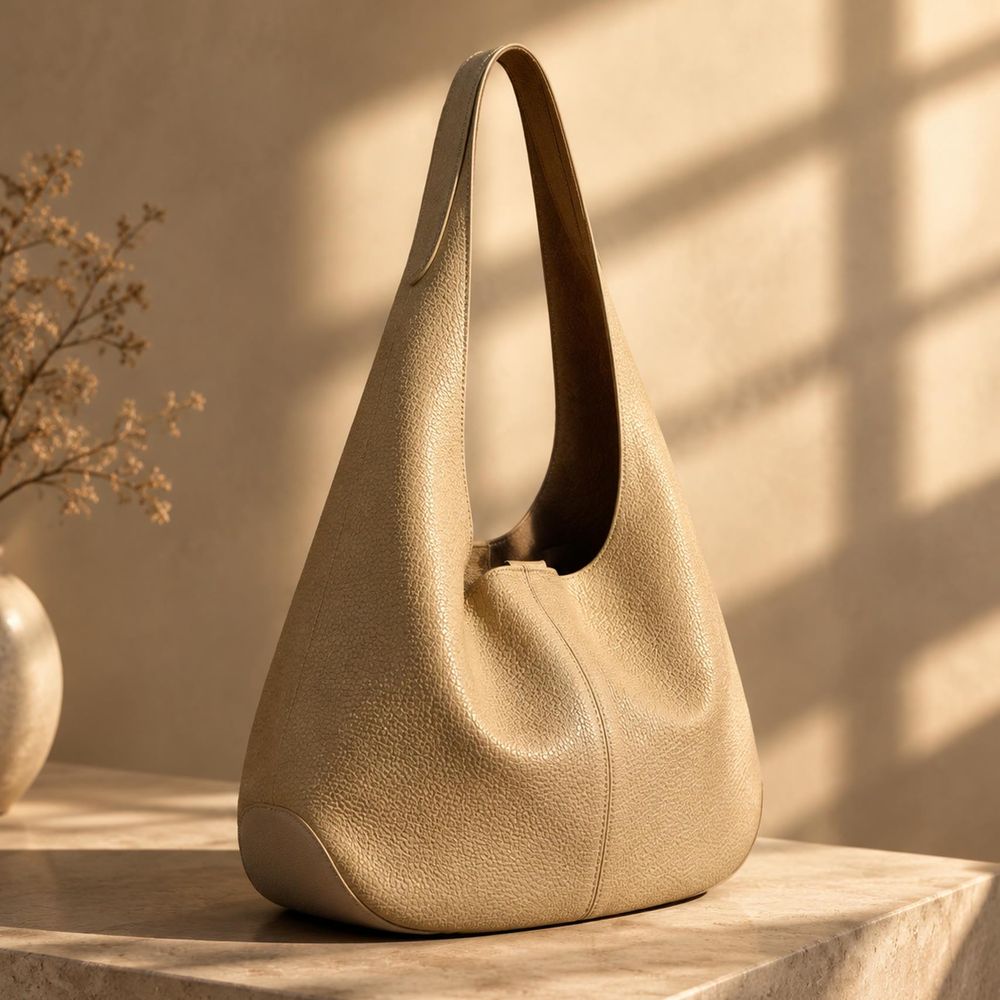
A bucket bag is defined by its rounded, bucket-like body, a flat or slightly curved base, and an open top that often closes with a drawstring, tab, or magnetic snap. Unlike structured top-handle bags or rigid box shapes, bucket bags emphasize volume and flexibility. The silhouette is meant to stand upright while allowing the interior to expand to accommodate irregular items.
Historically the form comes from practical carry containers, reinterpreted for fashion. The essential idea is the roomy interior without rigid compartments. That makes the shape ideal for anyone who carries odd-sized items, from a water bottle to a folded umbrella, without fussing over placement.
Key Design Features
Start with the base. Bucket bags typically have a round or oval base that gives the bag stability when set down. The body rises from that base in a continuous curve, which is why soft leathers, canvas, and suede are common choices; they hold the shape while remaining flexible.
The closure matters. Many bucket bags use a drawstring threaded through eyelets. Others use a single tab that slips into a loop, or a magnetic closure for a cleaner look. The closure affects security and ease of access, so think about how you use your bag when you choose a style.
Strap options vary. Classic bucket bags have a single shoulder strap or a crossbody strap. Some designs add a short top handle so you can carry the bag by hand. Strap length and width change comfort dramatically; wider straps reduce pressure if you carry heavier loads.
Materials And Construction
Bucket bags are made from a wide range of materials, and each choice impacts weight, drape, and durability. Full-grain or top-grain leather offers structure and ages beautifully, developing a patina. Vegetable-tanned leather stiffens initially then softens with use. Suede gives a relaxed, textured look but needs more care to resist stains.
Canvas is a lightweight, easy-care alternative. Waxed canvas adds water resistance and ages attractively. For an affordable, low-maintenance option, high-quality coated cotton or nylon can mimic the shape while staying light. Pay attention to lining materials too. A durable cotton canvas lining with internal pockets is practical, while a soft microfiber lining feels luxe and helps protect delicate items.
Construction details to look for include reinforced stitching where the strap meets the body, a well-finished base (sometimes with metal feet), and high-quality hardware. Eyelets and grommets for drawstrings should be set cleanly, and edges finished rather than raw. These small details are where a bag shows its quality over time.
Size And Capacity
Bucket bags range from mini versions meant for essentials to large iterations that can carry a small laptop. To choose the right size, think about what you typically carry. If your daily kit is wallet, phone, keys, and a notebook, a medium bucket bag around 9 to 11 inches tall will work. If you carry a water bottle, lunch, or a camera, choose a larger size, 12 inches or more in height.
Consider the opening width as well as the height. A wide mouth makes it easy to slide in taller items, but it can also make the bag feel less secure. Internal pockets or a removable pouch can help keep small items organized and prevent them from sinking to the bottom. If you’re buying wholesale for a shop, offer a couple of sizes so customers can choose based on their routines.
Organization And Accessories
Because the main compartment of a bucket bag is so open, organization is the most common concern. Many modern designs include interior pockets—zippered, slip, or a padded sleeve for electronics. A removable pouch is one of the most practical additions; it converts the soft interior into compartments and doubles as a clutch when needed.
External pockets are less common on classic bucket designs, because they interrupt the clean curve. However, a discreet back slip pocket for a phone or transit card can be useful. Hardware like D-rings inside the bag allows you to clip keys or a small wallet leash. If you value order, look for a bucket bag with a sturdy internal divider or buy an organizer insert designed for bucket shapes.
How To Style It
Bucket bags read casual to smart-casual depending on material and finish. A slouchy suede or canvas bucket pairs well with jeans and a tee, while a polished leather bucket with minimal hardware lifts a tailored blazer or dress. Crossbody straps make the bag practical for hands-free days, while a top handle adds polish when you want a more refined look.
Proportion is important. If you’re petite, choose a smaller bag or one with a shorter strap to keep the silhouette balanced. For taller frames, larger buckets look intentional and proportional. Color and texture also set the tone: neutral leathers are versatile, while a bright canvas or patterned lining gives a playful touch that can be your outfit’s focal point.
Day To Night
Switching a bucket bag from day to night is about trim and accessories. Remove a bulky strap for a shorter handle, or switch to a removable chain strap for evening. A leather bucket in a dark neutral can transition seamlessly if the hardware is understated.
If your bucket bag has a removable interior pouch, use it as an evening clutch to keep essentials separate and compact. Little changes like polishing hardware and compacting contents will also make the bag read more evening-appropriate.
Care And Longevity
Caring for a bucket bag depends on the material. For leather, regular conditioning keeps the hide supple and prevents cracking. Use a soft cloth to wipe away surface dirt, and treat scuffs promptly with a leather cream matched to the finish. For suede, use a dedicated suede brush and protectant spray to repel stains.
Canvas bags benefit from spot cleaning with mild soap and water. Avoid submerging a lined bag unless the manufacturer says it’s washable. Store the bag stuffed with tissue or soft cloth to maintain shape, and keep it in a dust bag away from direct sunlight. Small maintenance habits extend the life of an everyday bucket bag considerably.
Hardware And Repairs
Hardware like buckles and grommets may loosen or tarnish over time. Tighten screws on adjustable straps when they feel loose, and polish metal hardware with a nonabrasive cloth. If a strap detaches or a seam opens, a trusted leatherworker can often repair these issues at a reasonable cost.
When buying, check the warranty and repair policy. For boutique owners buying wholesale, offering a simple repair or cleaning service creates customer goodwill and keeps products in circulation longer.

Bucket Bags For Boutiques
If you stock bucket bags in a shop, variety sells. Offer a few sizes, a mix of materials, and one or two seasonal colors. Customers shopping for a gift appreciate small buckets in leather or suede, while daily users will want canvas or sturdier leather options. Price points should reflect construction, with clear descriptions of dimensions and interior features. Wholesale math is straightforward: factor in wholesale cost, desired margin, and expected sell-through. If a bag retails for $198, a common wholesale price might be around 50% off retail, leaving room for the retailer’s margin. Include clear product shots showing scale, interior pockets, and strap options to reduce returns. If you’re curious about partnering with us or trade purchases, get in touch for details and contact information at our contact page and our contact page.
Frequently asked questions
Is a bucket bag good for daily use?
How do I keep my bucket bag organized?
Can I wear a bucket bag crossbody?
Are bucket bags secure enough for travel?
Where to go next
A bucket bag is a quietly practical shape that adapts to many needs, from casual errands to polished office looks. By choosing the right size, material, and internal organization, you can make it the go-to bag in your rotation. If you want to explore styles, see what’s new in our shop or read more guides on bag care and selection. Visit our shop pages at our shop and our journal for other bag guides at our journal. For custom or trade inquiries or to ask about stock, reach out via our contact page.
Written by the Feel N Flow studio
Everyday handbags, chosen and shipped from Tucson, Arizona.