Your commuter bag is the piece of gear that quietly shapes your day. It needs to hold your work tools, your snacks, a jacket, and the small things that make a day easier, while staying comfortable on your shoulders or back. Choosing the right one saves time, protects your essentials, and makes the daily run feel smoother.
This guide walks you through practical decisions—how to pick the right size, which materials stand up to weather and wear, how to organize for efficiency, and what features actually matter. Whether you bike, ride transit, or walk, you’ll come away with clear criteria and examples so you can shop with confidence.
Know Your Commute
Start by measuring how you travel, how long you’re out, and what you bring. A 15-minute walk with only a phone and keys calls for a different bag than a 45-minute bike ride with a laptop and lunch. Think about transfers, stairs, and whether you’ll need to carry extra items like a change of shoes.
Sketch a typical day’s load: electronics and chargers, a notebook, water bottle, lunch, and any outer layers. Note any bulky items you carry rarely but need to fit occasionally, like a textbook or a work helmet. Knowing frequency and peak load helps you choose a bag that’s never too small or unnecessarily large.
Pick the Right Size
Bag size is the most common mistake. Too small leads to overstuffing, which strains seams and zips. Too big encourages you to fill it with things you don’t need each day. For most commuters, a bag in the 10–18 liter range works for phone, wallet, tablet, water bottle, light jacket, and small extras. If you carry a laptop, match the bag’s laptop sleeve to your device measurements rather than laptop size alone.
Measure your laptop or tablet across the widest points and add a half inch for protective sleeves. If you often carry lunch or full-size water bottles, aim toward 18–25 liters. For bike commuters who prefer compact, streamlined packs, 8–12 liters can be ideal if you minimize extras.
Choose Durable Materials
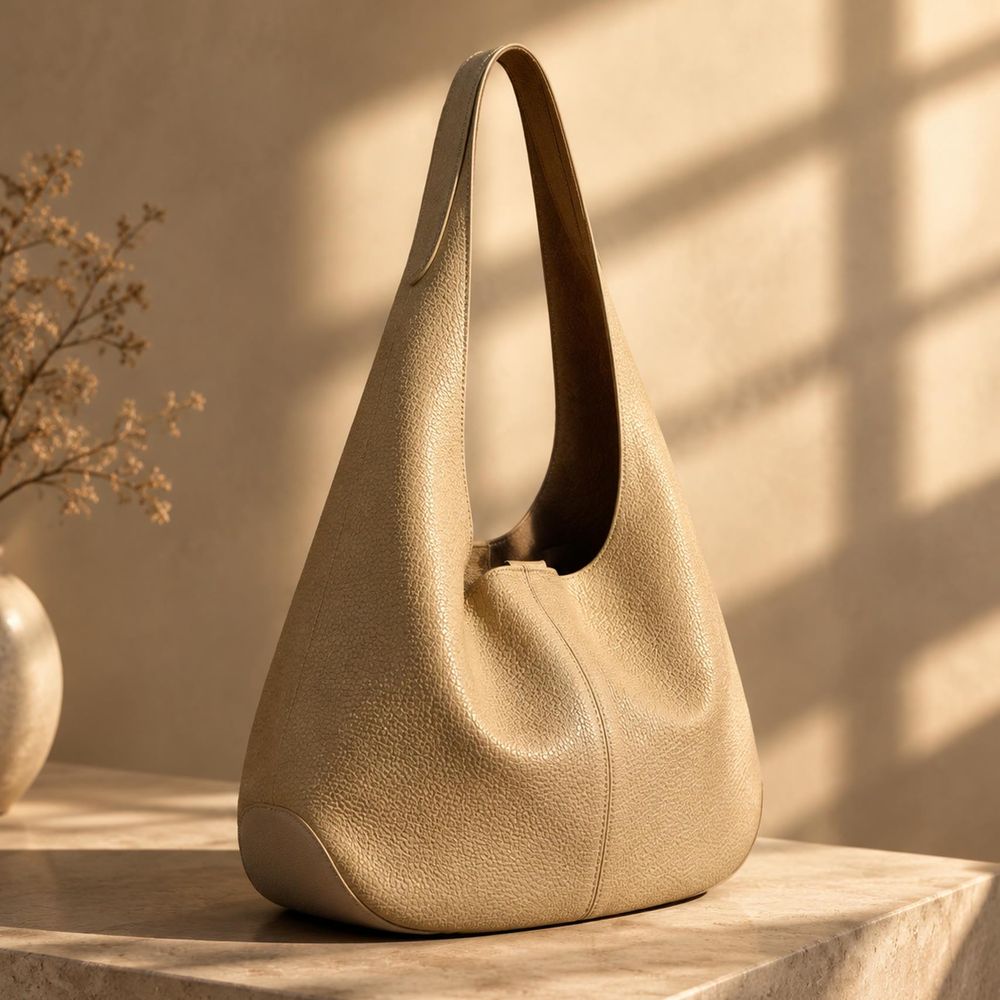
Material matters more than fancy finishes. Look for high-density woven nylon or canvas with a durable water repellent coating for daily exposure to rain and grime. Full-grain vegetable-tanned leather ages beautifully but needs periodic care and is heavier. Faux leathers offer a similar look but vary widely in longevity.
Check the bag’s reinforced areas, especially base and strap attachment points. Thicker fabrics and double-stitched seams at stress points prevent premature wear. If you’ll commute in wet weather, a water-resistant lining and sealed zippers prevent electronics from getting damp.
- Water-repellent nylon or waxed canvas for weather resistance
- Reinforced bases and strap attachments for durability
- Full-grain leather for longevity, with care
Comfort And Carry Options
Comfort is essential because a heavy or ill-fitting bag alters posture and tire you out. Look for wide, padded straps that distribute weight across the shoulder. Adjustable sternum or waist straps stabilize the load for cyclists and long walks. Try on bags with weight in them. A bag that feels fine empty can bruise your shoulder under load.
Decide between shoulder bags, backpacks, and convertible styles. Backpacks keep weight even and are better for longer commutes or heavier loads. A crossbody or shoulder bag can be faster to access on transit, but consider a removable padded sleeve for heavier items. Convertible bags offer flexibility if you switch between walking and meetings.
Try With Real Load
Always test a bag with the items you plan to carry, not an empty sample. Pack your laptop, charger, water, and a jacket, then wear the bag for several minutes. Walk, sit, and bend to check for rubbing and strap slippage. Small adjustments to strap length can make a big difference in comfort.
Breathable Back Panels
If you sweat easily or ride a bike, look for breathable mesh back panels and contoured padding. These features improve airflow and reduce clamminess on hot days. They also help maintain distance from your back so heavier loads are less likely to press uncomfortably.
Smart Organization
Organization prevents wasted time and frustration. A dedicated laptop sleeve keeps electronics secure and separates them from snacks. Internal pockets for a wallet, phone, pens, and chargers mean you don’t have to rummage. Consider an external quick-access pocket for a transit card or warm gloves.
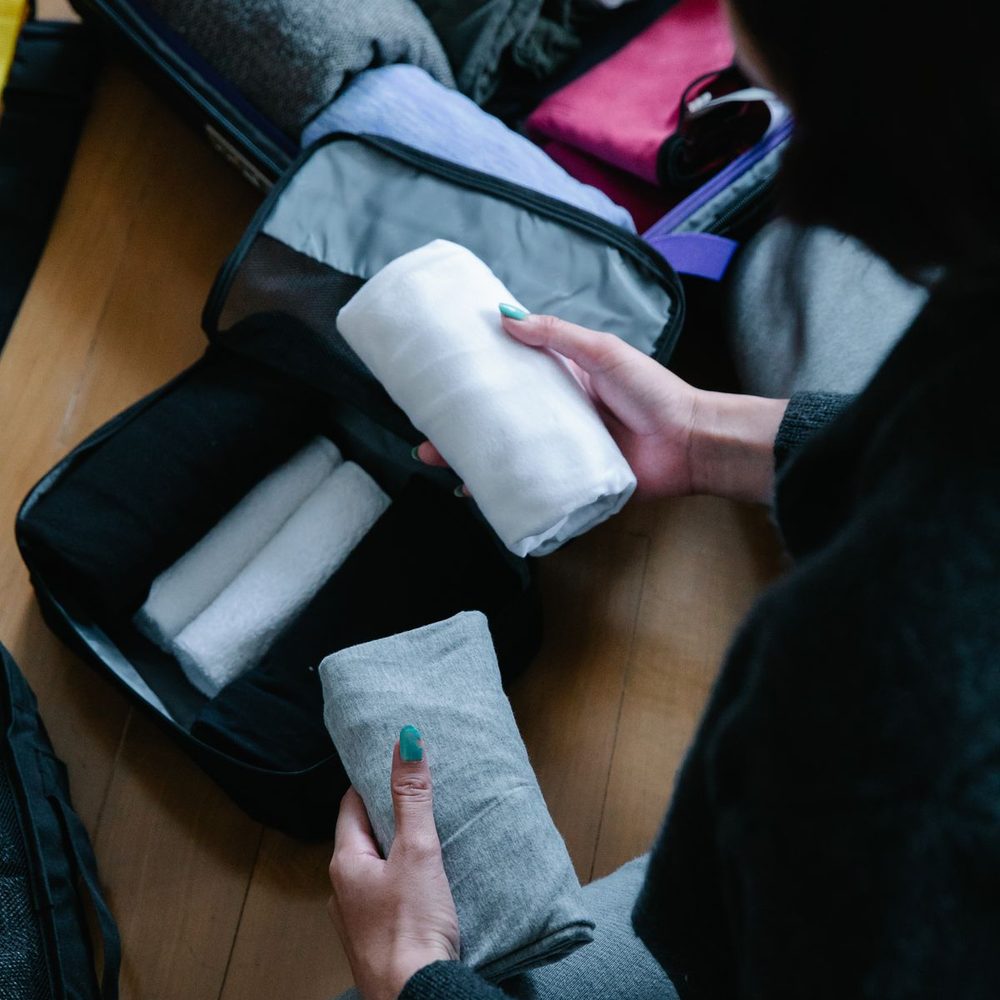
Use small pouches for cords, toiletries, and first-aid items. That way, you can transfer essentials between bags quickly. If your commute includes stops for errands, a structured top compartment keeps fragile items upright and prevents spills.
- Internal padded laptop sleeve
- External quick-access pocket for transit essentials
- Small removable pouches for cords and toiletries
Security And Weather Protection
Security features reduce the risk of pickpocketing and water damage. Zippers that close fully or that tuck under a flap are more secure than single open tops. For high-theft areas, look for hidden pockets against the back panel and lockable zipper pulls. Keep valuables in pockets that face your body when wearing the bag.
Weather protection includes both materials and design. A flap-over top sheds rain better than a simple zipper, and taped seams stop leaks at stitching lines. If you commute by bike, a small rain cover stored in a pocket gives extra protection on sudden downpours without adding bulk all day.
- Hidden back-panel pockets for valuables
- Flap-over tops and taped seams for better rain protection
- Rain cover stored inside for emergency weather
Style And Professionalism
Your commuter bag should reflect your daily settings. If you work in a conservative office, lean toward clean lines, solid colors, and minimal hardware. Creative workplaces allow more expressive materials and silhouettes. Choose finishes that age well; scuffs look purposeful on distressed leather but out of place on delicate fabrics.
Think about transitions between commute and workplace. A bag with a low profile and tidy organization often reads more professional. If you frequently carry the same bag for both work and errands, choose neutral colors that pair with many outfits and surfaces that are easy to wipe clean.
Color And Maintenance
Dark neutrals hide dirt, while lighter colors show wear faster. If you pick a light fabric, accept the need for spot cleaning. Leather will patina with time and benefits from periodic conditioning, whereas synthetic options may clean with a damp cloth and mild soap.
Wholesale And Retail Notes
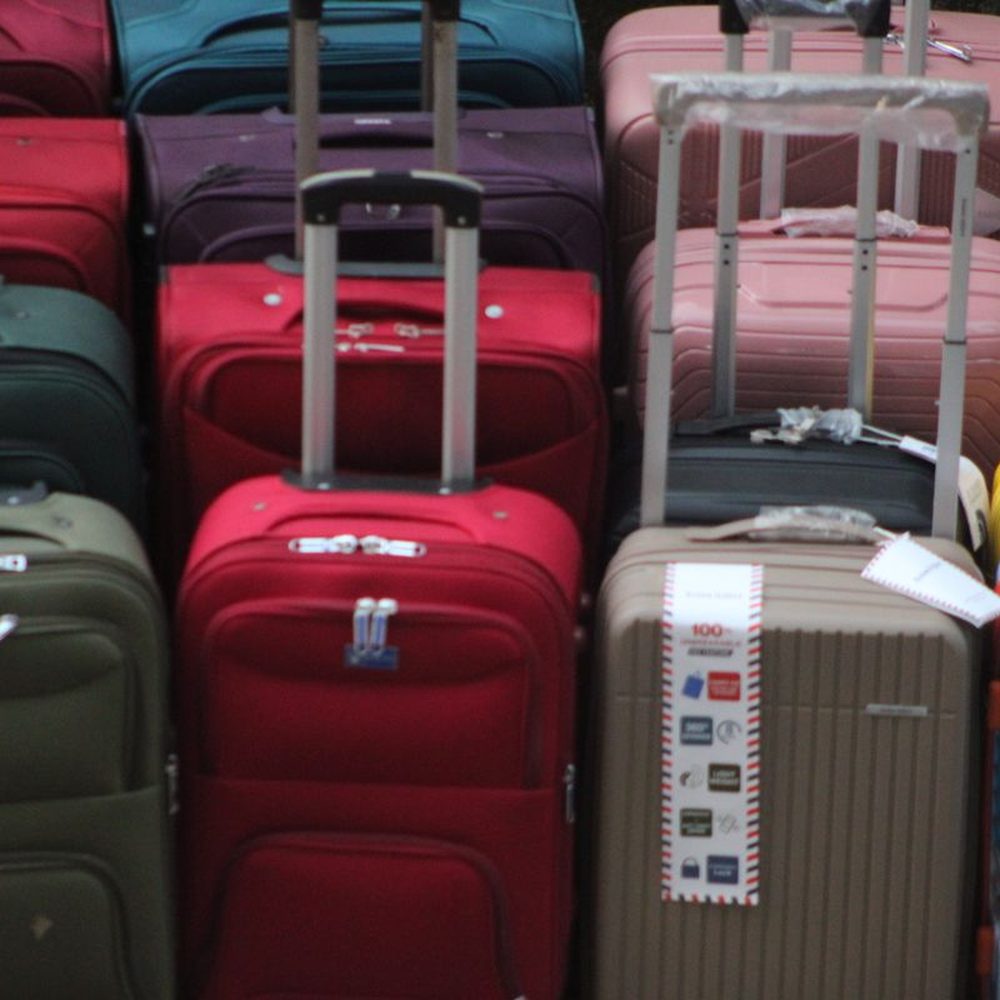
If you’re a boutique owner choosing commuter bags to stock, consider asking for multiple sizes and one or two neutral colors to start. Commuter customers value durability and organization first, then aesthetics. Offer options with and without laptop sleeves so customers can choose the right profile for their needs.
Think about markup and pricing in practical terms. A sensible wholesale price should allow retail pricing that reflects material and construction—durable fabrics and hardware command higher margins because they solve real commuter pain points. Highlight functional features in your merchandising so buyers understand the daily benefits.
Frequently asked questions
What size commuter bag fits a 13-inch laptop?
Is leather good for commuter bags?
How do I keep a bag from smelling after gym use?
Can I use a commuter bag for travel?
Where to go next
Choosing the right commuter bag is about matching form to function. Start with your daily load, test comfort with real weight, and prioritize durable materials and thoughtful pockets. Make small, intentional choices and your bag will make every commute easier. If you want to explore styles that balance everyday practicality with refined details, visit our collection or reach out with questions. Check our shop, read about our story, or contact us directly for help finding a commuter bag that fits your routine: shop our story contact us trade inquiries our blog
Written by the Feel N Flow studio
Everyday handbags, chosen and shipped from Tucson, Arizona.