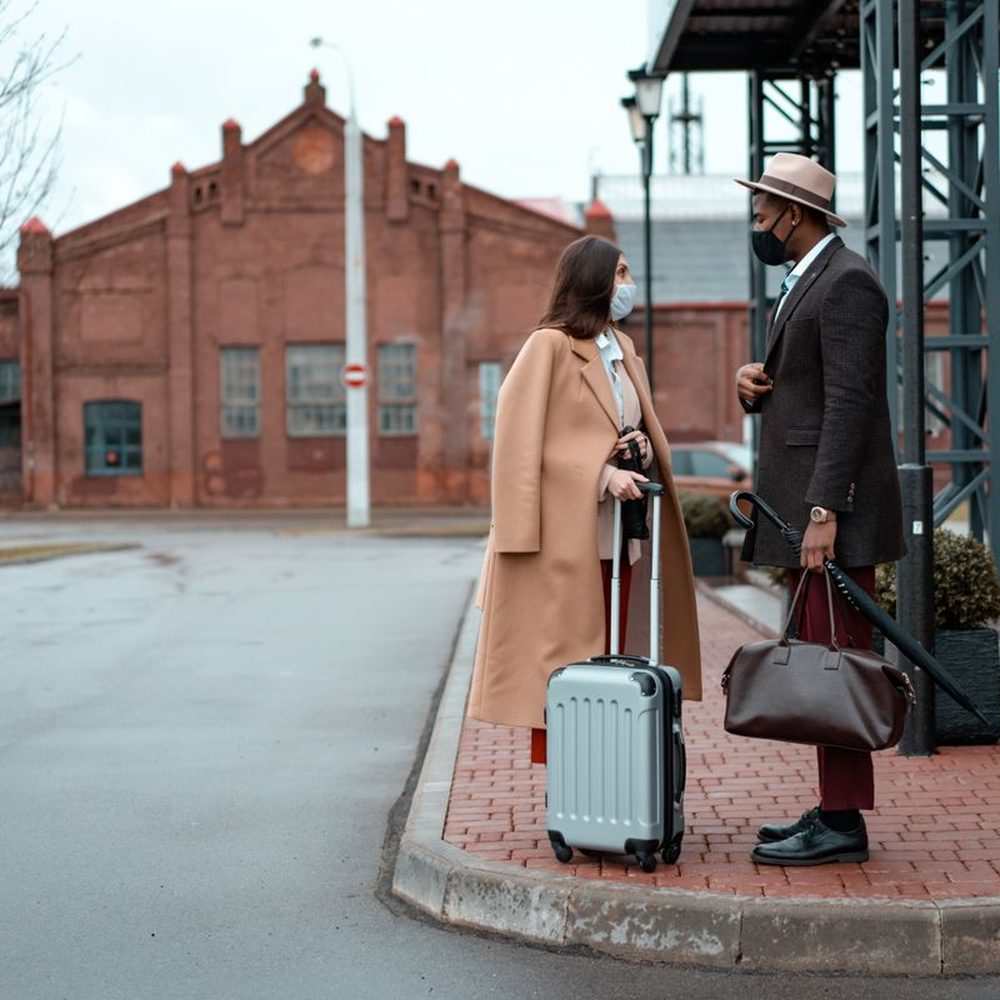
A crossbody bag should feel effortless, like an extension of your daily routine. When the strap is the wrong length your bag slides, bounces, or sits awkwardly at the hip. A well-fitted strap keeps essentials reachable, balances weight across your body, and helps the bag look intentional rather than accidental.
This guide covers how to measure ideal crossbody strap length for different body types and bag sizes, how to adjust and test a strap for comfort and security, and straightforward ways to alter a strap if it doesn’t fit. We'll also explain industry-standard strap lengths, how to shop with measurements in mind, and tips for wearing your bag for different activities.
Why Strap Length Matters
A strap that’s too short can pull your shoulders forward and crowd your chest, making the bag uncomfortable after a short walk. Too long, and the bag swings, gets in the way of your hands, or sits low where it’s less secure. The right length reduces strain and keeps your bag in the zone where you can access items without removing it.
Strap length also affects style. A short crossbody reads more structured and refined. A longer strap produces a relaxed, slouchy vibe. Choosing length with both comfort and appearance in mind helps your bag match how you want to move and look.
Common Length Ranges
Strap measurements are typically given as the full adjustable length, measured from end to end where the hardware meets the strap. Retailers often use ranges like 40 to 48 inches, 45 to 54 inches, or 50 to 60 inches. These numbers are useful, but you still need to translate them to how the bag will actually sit on your body.
For most adults, common functional ranges are: 38 to 45 inches for a snug crossbody fit that sits high on the hip, 45 to 52 inches for a mid-hip sit that works with layered outfits, and 52 to 60 inches for a low, long-worn style. Use these as starting points, not rules; torso length, shoulder slope, and the bag’s size all matter.
- 38–45 in: high hip, compact carry
- 45–52 in: mid-hip, everyday wear
- 52–60 in: low hip or over-torso wear
How To Measure Yourself
Begin with what you already have. Put on a shirt similar to what you’ll wear with the bag and hang a measuring tape where your favorite crossbody strap rests. If you don't have a tape, a piece of yarn or string works just as well. Mark where the strap meets your hip or the spot where you want the bag to sit.
Measure from that mark over your shoulder to the front where the bag base will sit. Double that number to get the approximate full strap length. Record this measurement and compare it with the brand’s listed strap length. This practical step prevents surprises when the bag arrives.
Measuring For Different Bag Heights
If the bag is tall, it will sit lower than a flat pouch when hung from the same strap length. Measure from the shoulder to the bottom of where the bag will sit, not to the top. That ensures the bag base lands where you expect.
For pouches or slim wallets, measure to where the top of the bag should land so you can reach contents easily. Always add a little extra length if you plan to wear bulky layers like coats.
Adjusting Straps For Comfort
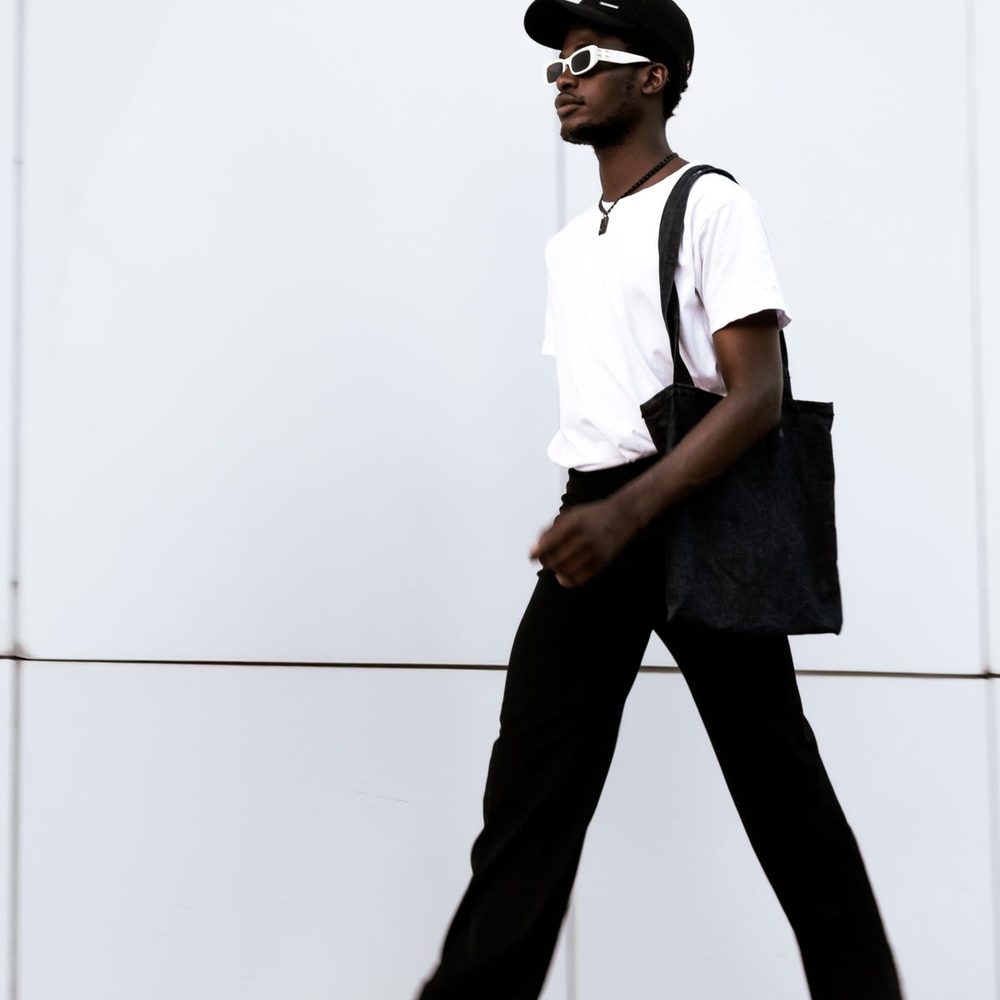
Most straps have hardware for length adjustments, but small changes can make a big difference. When you’re fitting a bag, adjust the strap while wearing the clothes you plan to use most with it. Walk around, sit down, and reach into the bag to test accessibility and bounce.
If the strap has no adjustability, add a removable buckle or use a third-party slider to customize length. Leather and woven straps often accept a riveted adjustment if you prefer a permanent change, but start with temporary methods until you’re sure of the length.
- Test while moving and sitting
- Adjust in 1-inch increments for fine tuning
- Use temporary sliders before committing to permanent changes
Security And Accessibility Tips
A shorter crossbody position, high on the hip or just under the arm, is more secure in crowded spaces because it remains within your peripheral vision and is harder for a pickpocket to access. Keep the bag close to your body and zipped or fastened when in transit hubs or busy streets.
Conversely, a slightly longer strap improves accessibility when you need to access items frequently, such as a phone or transit card. Consider a short strap attachment, like a wristlet or a short handle, for quick grab-and-go moments so you can keep the main bag closer for security.
Quick-Access Solutions
Add an external pocket with a closure near the top of the bag for items you reach for constantly. A small zippered pouch on a detachable key ring inside the bag is another way to keep essentials accessible without changing the main strap length.
If your bag has a long strap for comfort, use a short chained strap or strap converter when you need a more secure fit. These small accessories let you toggle between security and ease with no permanent changes.
Altering Straps Yourself
If you want a permanent change, shortening a leather or fabric strap is straightforward but requires basic tools. For leather straps, mark the desired length, remove the end hardware, cut, and reattach with stitching or rivets. Use edge paint on cut leather to prevent fraying and keep a clean finish.
For woven or nylon straps, fold and stitch the end to preserve integrity. A leather keeper or metal clamp can secure folded sections without sewing. If you’re not comfortable with tools, a local cobbler or leatherworker can make clean, durable alterations for a modest fee.
- Mark twice, cut once
- Use appropriate edge sealant for leather
- Consider professional finishing for valuable bags
Choosing Straps When You Buy
When shopping, look for listed strap lengths and ask whether the measurement is the shortest length, longest length, or the total adjustable range. Photos with the bag shown on models and multiple body types help, but always compare the given measurements to your personal measuring tape numbers.
If you're buying from Feel N Flow or shopping wholesale for a boutique, request sample measurements or a strap swatch. That ensures the strap will match how customers wear bags. For wholesale inquiries, get in touch with us to learn about sample requests and minimums.
What To Ask Retailers
Ask if the strap length includes the hardware or if it’s the leather only. Also clarify whether the strap is fixed or adjustable, and what method the brand uses for adjustment. These details affect both fit and the final look when worn.
For custom orders, request a specific length and ask for a mock-up photo if possible. Good sellers will work with measurements and provide guidance based on bag proportions and intended use.
Style Considerations
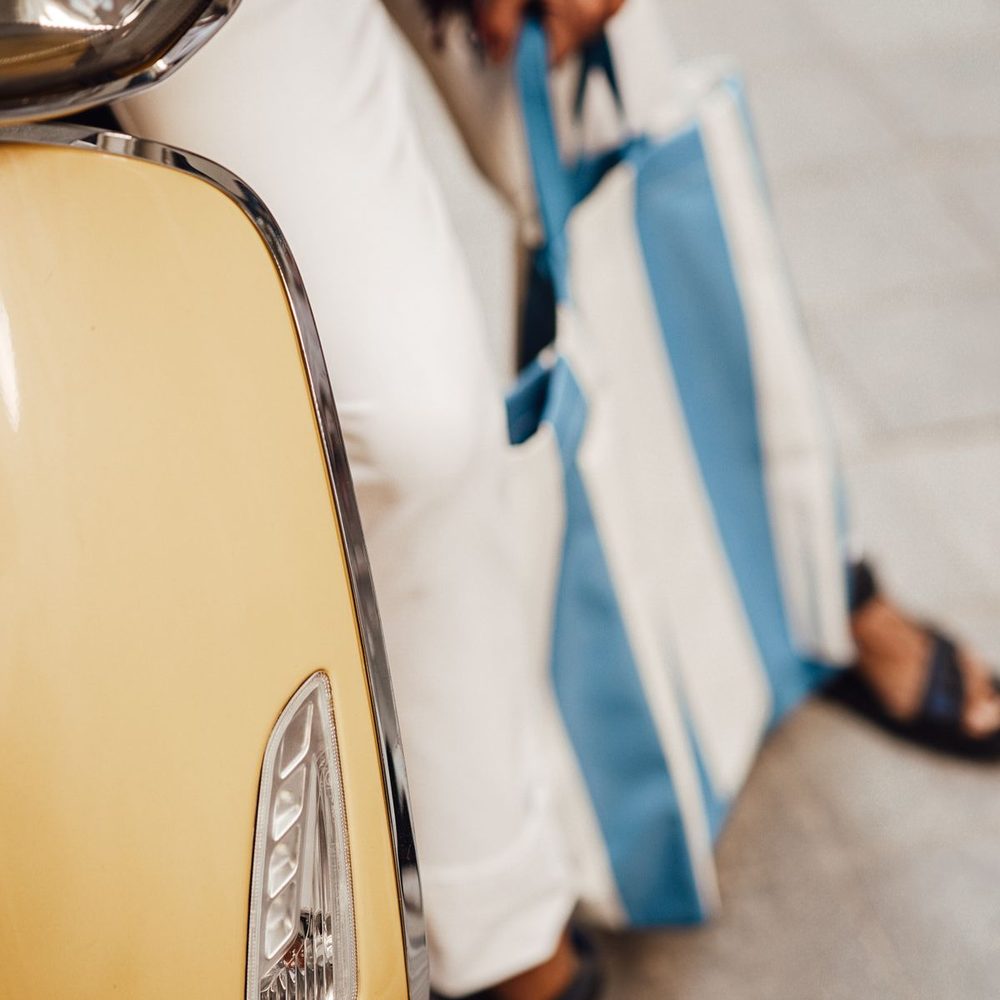
The same strap length can read differently depending on where the bag lands and the outfit you pair with it. A strap that hits high on the hip flatters cropped jackets and dresses. A longer strap looks casual with sweaters and coats, where the bag can sit above the thigh.
Also consider hardware and strap width. Narrow straps concentrate weight and can dig into the shoulder if the bag is heavy. Wider straps distribute weight better and often look more intentional. Match strap material to bag weight and your preferred silhouette.
- Narrow straps for light, structured bags
- Wide straps for heavier, everyday carry
- Leather for polish, woven for casual wear
Frequently asked questions
How do I know if a strap is the right length when buying online?
Can I shorten a strap myself without sewing skills?
What length is safest for crowded places?
Does bag size change the ideal strap length?
Where to go next
Finding the right crossbody strap length is both practical and personal. Use the measuring techniques here, test while moving, and don’t be afraid to tweak the strap with a temporary slider before committing to a permanent change.
If you’d like hands-on help, check our bag measurements and strap options in the shop, or contact us at /contact for custom guidance. For more bag care and fit advice, explore our journal or contact us at /contact for detailed resources and sample requests.
Written by the Feel N Flow studio
Everyday handbags, chosen and shipped from Tucson, Arizona.