Picking the right bag for work is more than a style choice. It affects how organized you stay, how comfortable your commute is, and how long your essentials last. The best work bags balance durable materials, smart organization, and a silhouette that fits your job and lifestyle.
This guide breaks down practical criteria for choosing a work bag, shows the common styles that work well across professions, and gives specific advice on sizing, pockets, and care. Whether you work from home, split time between office and client sites, or commute daily, you’ll find a recommendation that makes your routine easier.
What Makes A Bag “Work”
A true work bag carries more than a wallet and keys. Think laptop, charger, notebook, water bottle, lunch, and maybe a change of shoes. That means you need a bag with structured support, a reliable base, and organization that prevents small items from getting lost.
Durability and hardware matter. Look for heavy-duty zippers, reinforced straps, and seams that are double-stitched or taped. These features prevent early wear where most bags fail, at strap joins and zipper openings.
Right Size For Your Day
Size is the most practical decision you’ll make. If you carry a 13-inch laptop, a medium tote or a structured crossbody will do. If you need a 15-inch laptop plus notebooks and a lunch, aim for a bag with a 15–20 liter capacity, often labeled as a large tote or a commuter backpack.
Measure the items you usually carry and add an inch of clearance for comfort. Many bags list internal dimensions. If they don’t, compare against a suitcase or backpack that you already own to get a sense of fit.
Quick Sizing Guide
13-inch laptop, wallet, phone, small charger: 8–12 liters. 15-inch laptop, charger, notebook, lunch: 15–20 liters. Commuter kit plus gym shoes: 20–30 liters. Use this to shortlist bags before you think about color or fabric.
Materials And Construction
Materials affect weight, weather resistance, and how the bag ages. Full-grain leather develops a patina and is highly durable, but it’s heavier and needs conditioning. Waxed canvas is water-resistant, lightweight, and easier to clean, making it a practical commuter fabric. Recycled nylon and technical fabrics can give excellent weather protection but may look more casual.
Pay attention to the bag’s lining and internal structure. A padded laptop compartment with a security strap helps secure electronics. A removable or structured base keeps the bag upright when you set it down, which protects contents and looks neater over time.

Essential Organization Features
Good organization reduces friction every morning. Look for a dedicated, padded laptop sleeve, a zippered internal pocket for valuables, and quick-access pockets for phones or transit cards. A water bottle sleeve or external pocket saves you from digging around when you’re thirsty.
Think beyond pockets. A bag with modular dividers or a removable pouch lets you swap what you carry day to day. Also consider strap options. A top handle plus a long crossbody strap or convertible backpack straps gives flexibility for rideshare, bike, and transit commutes.
- Padded laptop compartment
- Zippered valuables pocket
- External water bottle pocket
- Removable pouch or divider
Styles That Work Well
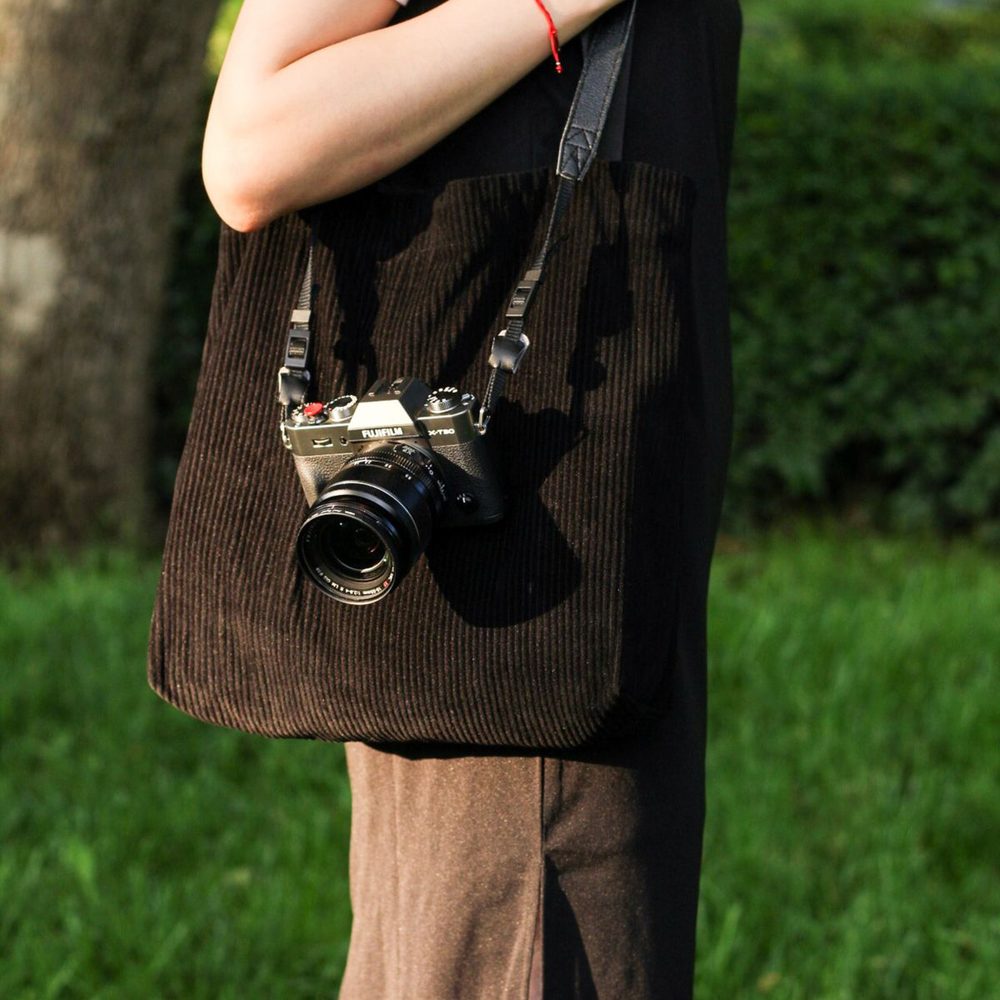
There are a handful of shapes that consistently function well as work bags. Structured totes offer a professional silhouette and open access. They’re easy to reach into during meetings, and many include inner sleeves for electronics.
Backpack-totes, sometimes called commuter backpacks, give even weight distribution and hands-free travel. Messenger bags offer a faster side access, useful if you’re frequently reaching for a notebook or tablet. Finally, briefcase-style bags remain useful in formal offices, especially those with a rigid shape and polished hardware.
Tote Vs. Backpack
Totes are quick to access and often look dressier. Backpacks are better for bike commutes or days when you carry heavier loads. If you oscillate between both, choose a convertible bag with removable straps to cover both scenarios.
Matching Bag To Commute
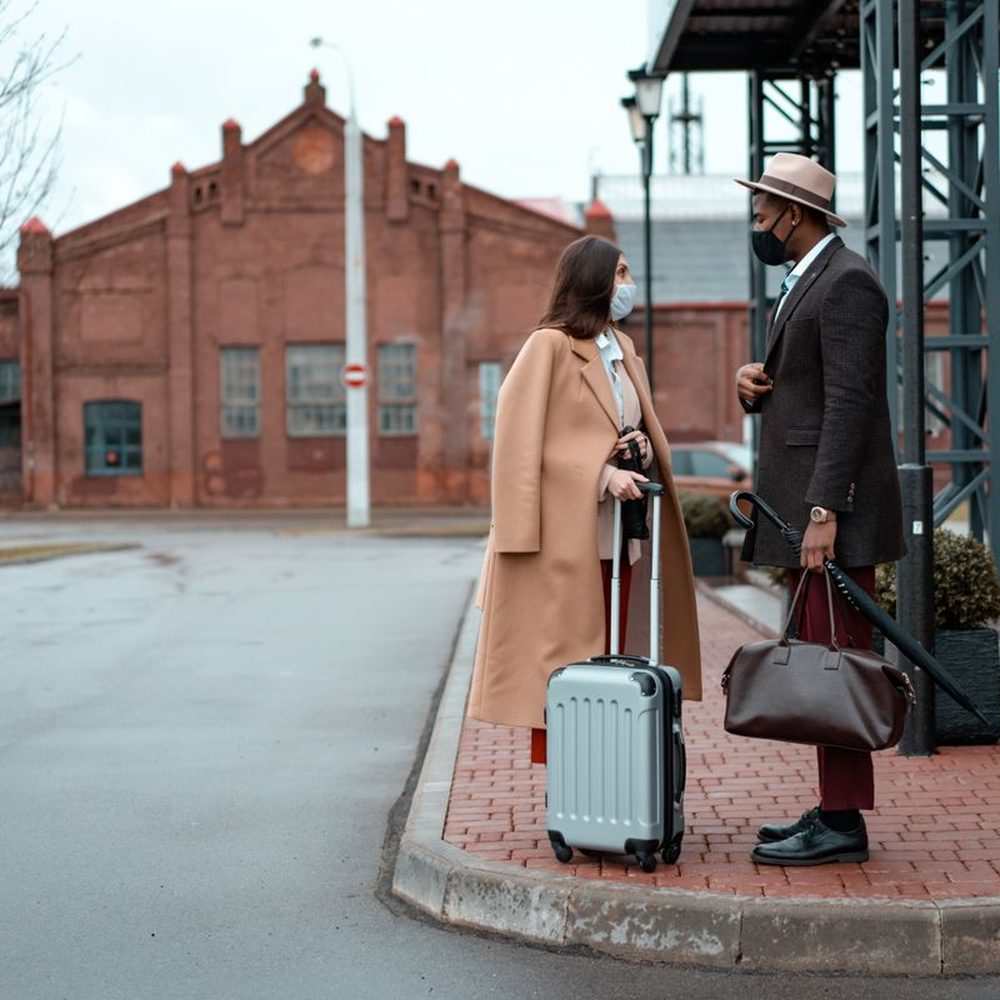
How you get to work should influence your bag choice. Walkers and transit users benefit from secure closures and crossbody options. A top-zip tote or a backpack with a chest strap keeps everything steady. Cyclists need water resistance and a strap that won’t slip.
If parking is plentiful and your car is your commute, a larger tote with a structured base gives you room for groceries, gym gear, and tech. For frequent flights or business travel, choose a bag with luggage pass-through or a slim briefcase profile that fits under airline seats.
Care, Repairs, And Longevity
Treating your bag well extends its service life. For leather, use a cream or conditioner designed for vegetable-tanned or full-grain leather once or twice a year. Waxed canvas can be refreshed with a fabric wax if water starts to bead less effectively. For synthetics, mild soap and water usually do the trick.
Small repairs matter. Replacing a zipper slider or re-stitching a strap early prevents larger failures later. Many small brands and local cobblers do excellent repairs for a fraction of replacement cost. If you buy wholesale for a shop, ask about repair policies and spare parts to support your customers’ long-term use.
Quick Care Tips
Wipe away dirt promptly, stuff the bag with paper for storage to retain shape, and avoid overstuffing seams. Keep leather away from direct heat which can dry it out. A little proactive care prevents common failures.
Choosing For Retail Or Wholesale
If you’re a store owner choosing inventory, think about SKU breadth and clarity. Carry one or two core colors of each silhouette in two sizes to test what your customers prefer. A single style in three price points can cover casual, everyday, and premium shoppers without overloading inventory.
Wholesale math is straightforward. Track sell-through for at least a season before expanding SKUs. Factor in your average margin goals, shipping, and any display or build-out costs. Brands that provide clear product cards with dimensions and care instructions make it easier for you to sell confidently. If you want to know more about how we choose what we carry, get in touch and we will walk you through it.
Display And Merchandising
Use one strong hero bag on a table with smaller sizes stacked nearby, and rotate displays seasonally. Clear signage about materials and internal pockets reduces customer questions and helps close sales.
Frequently asked questions
What is the most durable material for a work bag?
How do I choose the right laptop compartment size?
Can a tote be secure enough for commuting?
How often should I condition leather bags?
Where to go next
A good work bag simplifies your day. Focus on the features you reach for most, like a safe laptop pocket, a structured base, and a comfortable strap, then choose materials that match how you commute and care for your things.
If you want to shop curated options, start at our shop to compare silhouettes, or see what’s new for seasonal updates. For retailers, our wholesale team can help with terms and samples. Reach out if you need help choosing a size or material that fits your routine.
Written by the Feel N Flow studio
Everyday handbags, chosen and shipped from Tucson, Arizona.