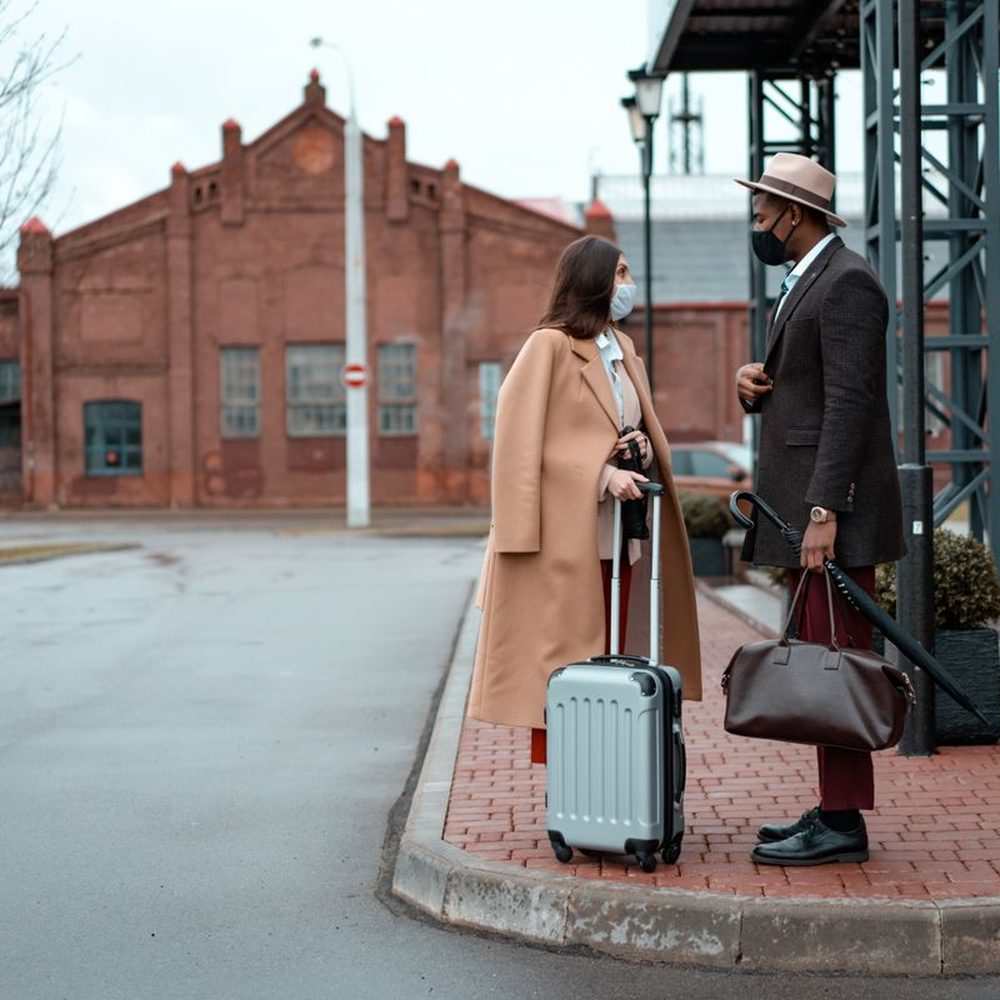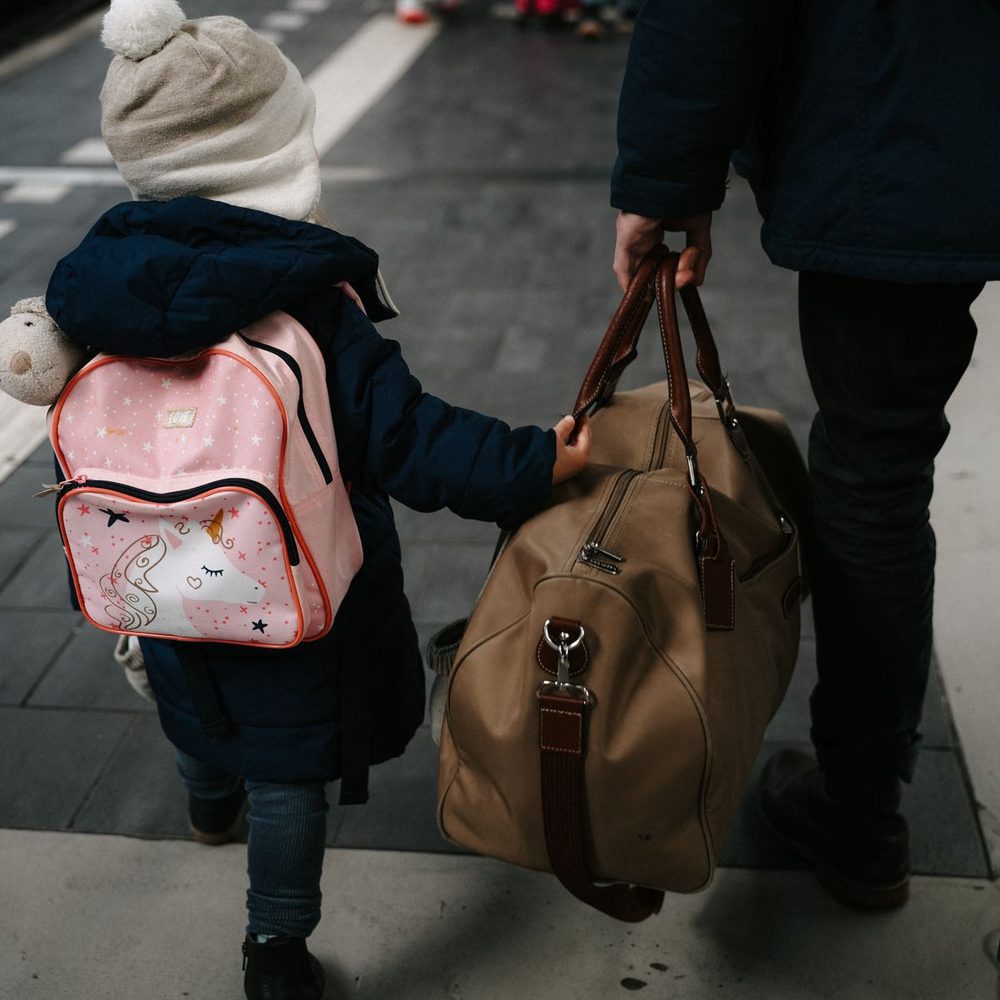
Packing a bag for one day can feel small and personal, but the right contents make a big difference. Whether you're commuting to work, running weekend errands, or traveling light, a considered bag essentials checklist means less stress and fewer last-minute runs back home.
This guide breaks down what to carry, why each item matters, and how to organize everything so your bag is ready every morning. I’ll cover sizes and materials, a sensible approach to beauty and emergency items, and a quick wholesale note for shop owners who stock everyday-ready handbags.
Start With The Right Bag
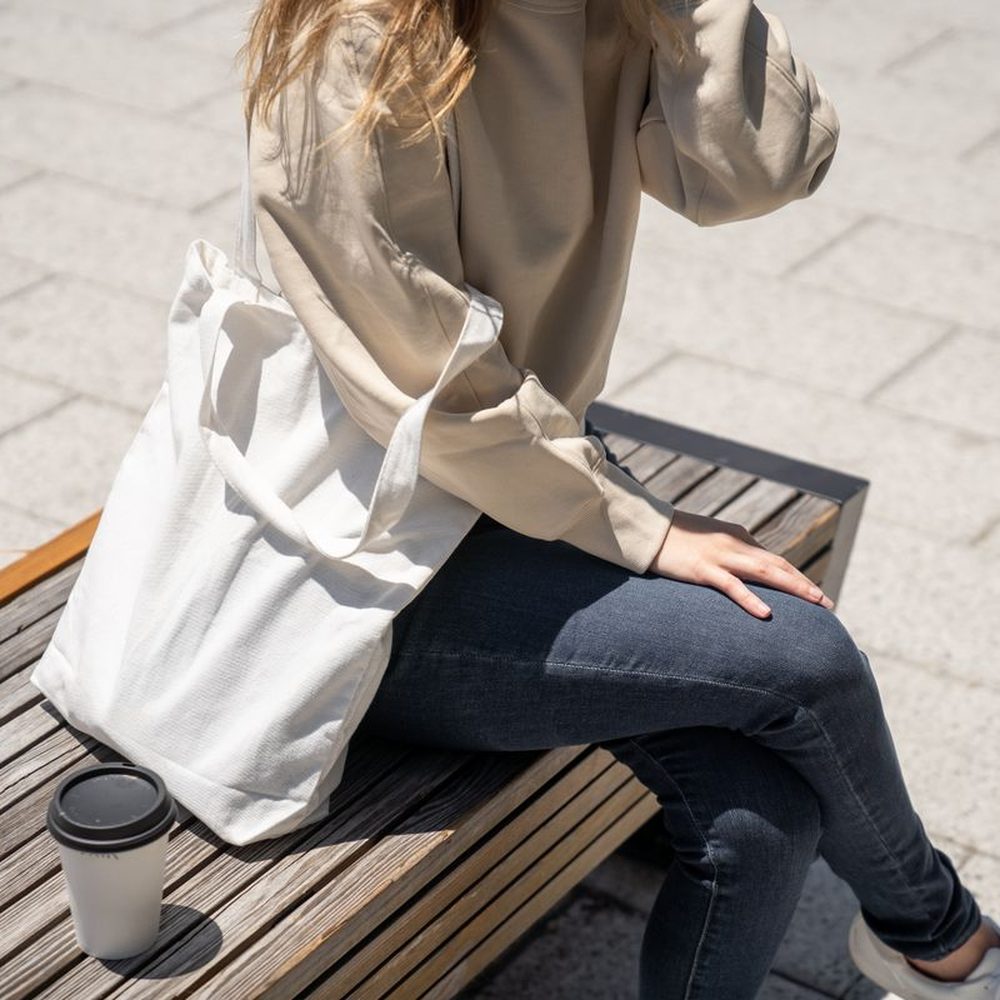
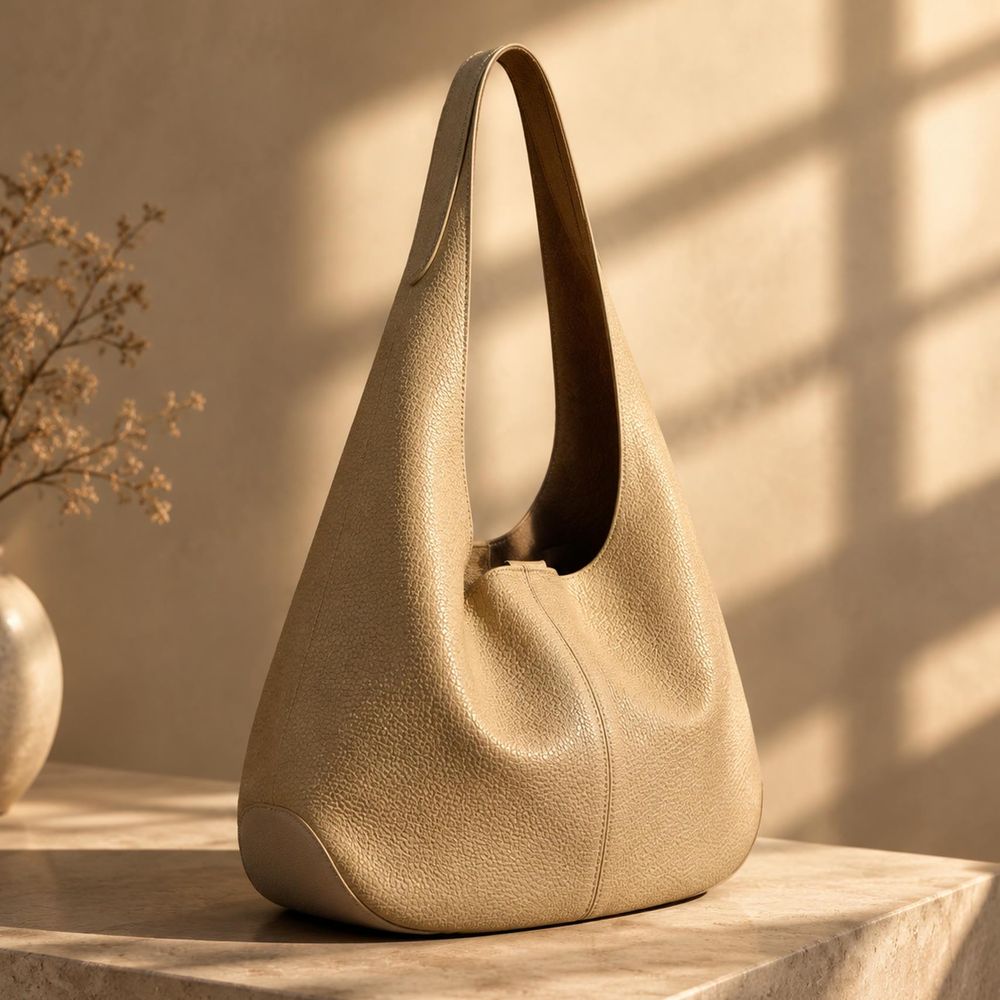
Choosing the right bag is step one of an effective bag essentials checklist. Size matters more than style for everyday carry. For most days, a medium tote or structured shoulder bag with an interior zip pocket and a flat base holds 8 to 12 items without bulking. When you need to go lighter, a compact crossbody around 8–10 inches wide, with at least one internal pocket, keeps essentials accessible.
Material matters for how items age and how the bag wears in daily life. Full-grain leather is durable and softens over time, canvas cleans easily and resists abrasion, and vegan leathers offer a polished look with lower maintenance. Choose hardware and construction that match your routine. Reinforced handles and quality zippers prevent failures that turn a good day into a repair project.
Sizing Tips
Measure what you carry by laying items flat on a surface and comparing them to a bag’s dimensions. If your phone, small notebook, wallet, sunglasses case, and a water bottle fit with room to spare, you’ve found a practical size. For commuters who pack a laptop, look for bags that list laptop dimensions for a snug but not tight fit.
Daily Wallet And Tech
Your wallet and tech are core to daily function. Use a slim wallet that holds ID, two to three cards, and a little cash. Bulky wallets force you to overpack and can warp a bag’s shape. If you rely on transit cards or wearables, consider a separate card sleeve you can access without opening the main compartment.
Tech items should be pared down and protected. A phone, earbuds, and a compact portable charger are the primary needs. Keep charging cables coiled in a small pouch to avoid entanglement. For those carrying laptops or tablets, include a thin padded sleeve to prevent scratches and distribute weight inside the bag.
Keys And Everyday Tools
Keys are small but essential. Use a key organizer or a short key leash clipped to an interior D-ring so they’re easy to find and don’t scratch other items. Add a small multitool or nail file depending on your comfort and local regulations; these handle quick fixes without forcing a trip to a hardware store.
A compact umbrella or a foldable rain jacket is a smart item where weather changes are frequent. Choose umbrellas that collapse to 9–11 inches for easier storage. If you commute by bike or public transit, include a tiny lock or reusable bag for last-minute grocery runs.
Health And Hygiene
A few health items create confidence in daily life. Pack a small pouch with hand sanitizer, a compact pack of tissues, and a few adhesive bandages. If you use prescription medications, store a single day’s supply in a labeled pill case. Sunscreen in a travel tube keeps skin protected without taking much space.
Hygiene items are also about comfort. A travel toothbrush or a foldable hairbrush, along with a mini deodorant stick, can refresh you after a long day. Keep these items in a washable pouch to prevent spills from touching other contents.
Period And Personal Care
If you menstruate, include a small supply of your preferred products, plus a spare resealable bag for used items. Discreet, odor-resistant pouches help keep everything tidy. This reduces stress and prevents searching for supplies when you need them most.
Beauty And Quick Fixes
Beauty items should be functional and minimal. A tinted lip balm or compact balm-stain, a small powder compact, and one multipurpose makeup stick can handle touch-ups. Choose products in sturdy packaging to avoid breakage.
For quick fixes, carry a compact sewing kit, a few safety pins, and a tiny stain-remover pen. These take almost no space and solve issues that would otherwise derail your plans. Store everything in a flat pouch so you can see each item at a glance.
Snacks And Hydration
A reusable water bottle is nonnegotiable for many people. Look for bottles that fit your bag’s interior or side pockets, typically 16–20 ounces for medium bags. Insulated bottles keep drinks at a comfortable temperature and prevent sweating inside the bag.
Healthy snacks like a nut bar, a small container of nuts, or dried fruit are worth packing for long days. Store food in leak-proof containers or resealable bags to avoid crumbs and spills. If you keep snacks regularly, check them weekly to avoid stale or melted items.
Choosing Containers
Opt for flat, rectangular snack cases rather than bulky round containers. They slot beside notebooks or pouches and use space more efficiently. Silicone collapsible containers are useful for saving room when empty.
Organization Systems
A consistent organization system saves time every morning. Use a few dedicated pouches: one for tech and cables, one for personal care, and one for miscellaneous items like gum, pens, and receipts. Color-code or label pouches so you can grab the right one without emptying the bag.
Interior pockets matter. Use a zip pocket for items you want secure, like cash or important receipts. Slip pockets are perfect for quick-access items, such as a phone or transit pass. If you switch bags regularly, transfer pouches rather than individual items to maintain organization and avoid forgetting something at home.
- Tech pouch for cables and power bank
- Small hygiene pouch for personal care
- Flat wallet sleeve for cards and receipts

Packing For Travel Days
Travel days require a slight adjustment to this bag essentials checklist. Add a small travel pillow or a lightweight scarf that doubles as a blanket, and include copies of travel documents in a waterproof sleeve. Bring a lightweight tote that can act as a day bag when you arrive at your destination, this helps keep your primary bag clean for flights.
Think about weight distribution. Place heavier items like a water bottle or a book near the bag’s center to avoid shoulder strain. If you purchase a new bag for travel, check wholesale dimensions and laptop compatibility if you’re buying to stock a shop. For boutique owners, factor in average retail markup and typical reorder quantities when buying wholesale, usually ordering small test runs of 6 to 12 units per style to start.
What To Keep In A Carry-On
Besides the items already listed, carry small comforts like noise-canceling earplugs and a disposable face cloth for quick freshening. Keep an extra charging cable in your personal item in case the bag in the overhead bin is out of reach. This saves scrambling during long transit segments.
Frequently asked questions
What’s the minimum I should carry every day?
How do I keep my bag from getting messy?
Can I carry food without making my bag smell?
How should retailers price handbags for resale?
Where to go next
A thoughtful bag essentials checklist turns a crowded, frantic morning into a calm, efficient routine. Start with the right bag size and material, then curate a small set of multiuse items that match your lifestyle. If you want handbag suggestions that fit these principles, browse our collection or reach out for help picking the right style. Visit our shop to see featured bags, learn more about our story, or contact us directly for trade inquiries.
Written by the Feel N Flow studio
Everyday handbags, chosen and shipped from Tucson, Arizona.