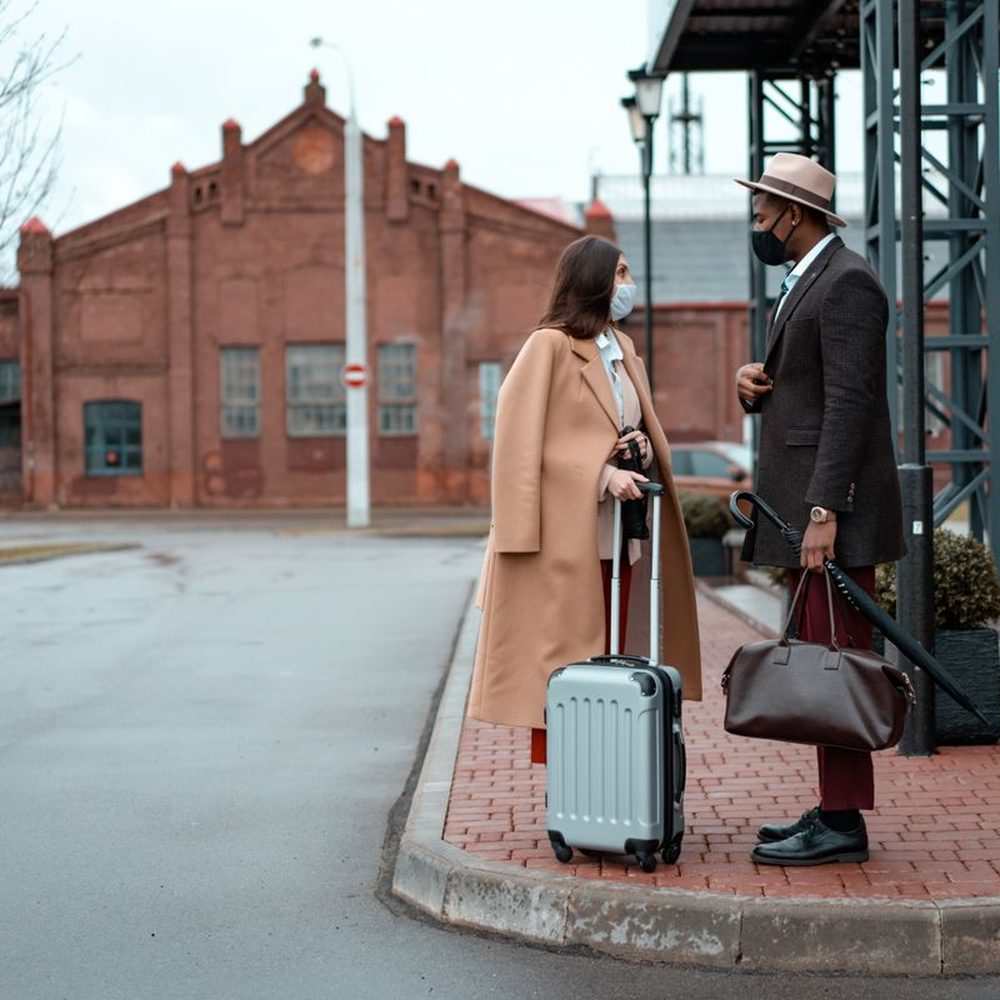
Tote bags are simple, versatile, and surprisingly capable. Whether you carry one for work, errands, travel, or the gym, knowing what fits in a tote helps you pick the right size and organize smarter so nothing gets lost or crushed.
This article walks through the most common tote uses, realistic packing lists by size, organization tricks, and how to choose a tote that fits your body and your routine. Expect practical measurements, product features to look for, and quick styling notes so your tote is useful and comfortable every day.
Tote Sizes Explained
Totes come in a few practical size ranges, and understanding those helps set expectations for capacity. A small tote is usually about 10 to 12 inches wide and 9 to 10 inches tall. It’s great for essentials, a small tablet, and a water bottle. A medium tote often measures around 13 to 16 inches wide and 11 to 13 inches tall. That’s the sweet spot for most people, holding a laptop, notebooks, and a light sweater. Large totes are roughly 17 to 20 inches wide and 14 inches tall or more. These work for weekending, longer commutes, or when you need to carry bulky items like shoes or a toiletry kit.
Height, width, and depth all matter. A tote with a 5 to 7 inch base gives more usable volume than a flat tote that’s wide but shallow. Consider the strap drop too, since a short drop makes it harder to wear over the shoulder, especially when the bag is full. If you like numbers, a medium tote with a 14 inch width, 12 inch height, and 6 inch depth holds about 1,008 cubic inches, enough for a 13 inch laptop, lunch box, and a couple of extras.
Everyday Carry Essentials
For everyday use you’ll likely keep a core set of items in your tote. These are things you want quick access to, but they also need protection from the bottom of the bag where spills or crumbs gather. A small zip pouch or a shallow tray inside the tote makes these essentials easy to find.
Typical everyday items that fit in a medium tote include a wallet, phone, keys, sunglasses case, reusable water bottle, small umbrella, earbuds, and a compact power bank. Add a notebook and a pen, and you’re still under capacity for most medium totes. If your day includes a workout or after-work plans, swap in a change of clothes and a toiletries pouch; a large tote is better for that scenario.
- Wallet and keys
- Phone and charger
- Reusable water bottle
- Notebook and pen
- Sunglasses case and small umbrella
Work And Laptop Carry
When you need a tote for work, the first questions are laptop size and protective needs. A 13 inch laptop slips comfortably into most medium totes. A 15 inch laptop often needs a wider base and reinforced structure to avoid tipping or sagging. Choose a tote with a padded laptop sleeve or bring a slim protective sleeve of your own. That keeps your device safe from other items and helps the bag keep its shape.
Think beyond the laptop. A typical work tote packs a laptop, charger, notebook, lunch box or snack, and a small pouch for cords and peripherals. If you carry paperwork, choose a tote with a zip closure or a long interior pocket to keep documents from folding. For heavy daily tech, leather or reinforced canvas holds up better than very lightweight fabrics.
Laptop Sleeve Options
Built-in sleeves are convenient, but they vary. Look for one that sits a bit above the bag base. That prevents the laptop from banging the bottom. A removable padded sleeve gives the most versatility because you can take it out for quick trips or switch to a smaller bag when you don’t need it.
Totes For Travel
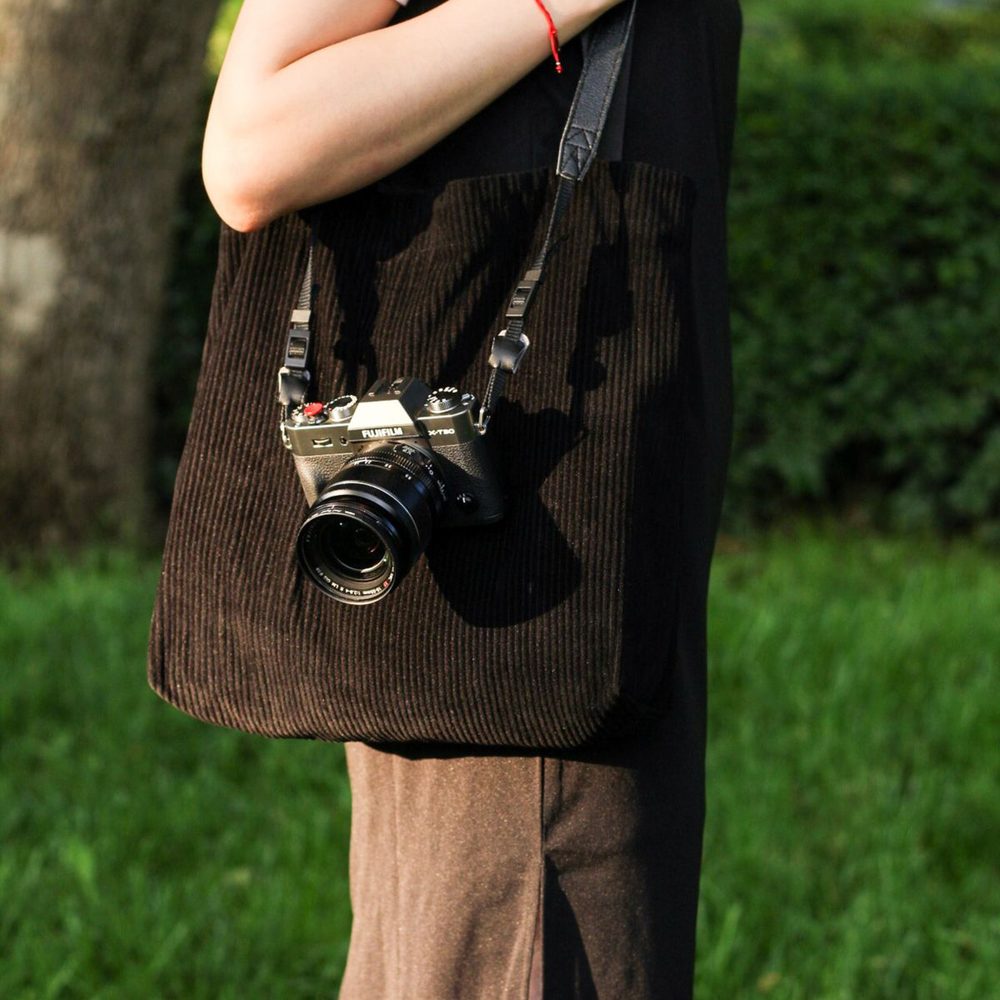
A large tote becomes a carry-on-friendly bag when you pack smart. Airlines measure personal items and carry-ons differently, but a roomy tote on the seat or under the seat fits essentials and a change of clothes. For travel, keep your passport, travel wallet, snacks, and electronics in an easy-access pouch near the top. Use compression packing cubes or small packing organizers to reduce bulk and keep clean clothing separate from shoes or toiletries.
If you plan to check a separate bag, your tote still benefits from structure. A softer tote may slump and make it harder to find items at security. Choose a tote with a reinforced base or insert a lightweight board for stability. A bag with exterior pockets for travel documents and a secure closure provides better protection in busy terminals.
- Passport and travel wallet
- Noise-canceling headphones or earbuds
- Change of clothes in a small packing cube
- Toiletry pouch with travel-size items
- Lightweight jacket or scarf
Shopping And Errands
A tote is an ideal shopping companion because it’s open and easy to load. For farmers market trips, a mid to large tote fits produce, a small flat cooler for cheese or cold items, and a reusable produce bag or two. Keep a spare plastic or mesh bag at the bottom for wet or messy purchases.
For grocery runs, tote durability matters. A wide base and reinforced seams handle heavier loads. If you expect to carry glass jars or bottles, bring a small towel or wrapping to prevent breakage. When running multiple errands, use interior organization like a bottle pocket and a zippered pouch for receipts and coupons so you don’t forget where you put things.
Weight And Comfort Tips
Distribute weight close to your body to prevent shoulder strain. Use both straps when the tote is very full, or switch shoulders regularly. If you carry heavy loads often, a tote with leather straps or padded handles will be easier on your skin and shoulders.
Style And Materials
Material affects durability, maintenance, and how a tote looks with an outfit. Waxed canvas and coated cotton shed water and stand up to rough use. Full-grain leather ages beautifully and can carry heavier loads, but it needs care and won’t like getting soaked. Lightweight nylon and technical fabrics are easy to clean and packable, though they may lack the structure of thicker materials.
Color and hardware influence daily wear. Dark interiors hide stains but make it harder to find small items. Light interiors show contents clearly but require more care. Consider a tote with contrasting lining or a bright interior so you can spot keys, lip balm, or small chargers quickly. Small hardware choices, like magnetic snaps or metal zippers, affect security and ease of access.
Cleaning And Care
Spot-clean canvas and nylon with a mild soap and a soft brush, then air dry. For leather, use a conditioner made for the leather type and protectants to repel moisture. If your tote has a removable fabric liner, take it out and wash according to the label. Regular care extends the life of the bag and keeps it looking smart.
Organization Accessories
Little organizers make a big difference in a tote’s usability. Zip pouches, divided organizers, and small trays keep items from getting lost at the bottom. A well-chosen key leash or clip prevents the frantic search for keys in a crowded bag. Packing cubes are not just for travel, they also work for switching items between bags or creating a dedicated space for gym clothes.
Here are a few specific accessories to try. A slim padded laptop sleeve that fits your device, a medium zip pouch for chargers and cables, a clutch-style wallet that can double as a phone pouch, and a small cosmetic pouch for hygiene items. Use a lightweight base insert if you want more structure. These simple additions let a medium tote behave like several smaller bags without the hassle.
- Slim laptop sleeve
- Medium zip pouch for cords
- Clutch-style wallet or phone pouch
- Small cosmetic or hygiene pouch
- Lightweight base insert
Choosing The Right Tote
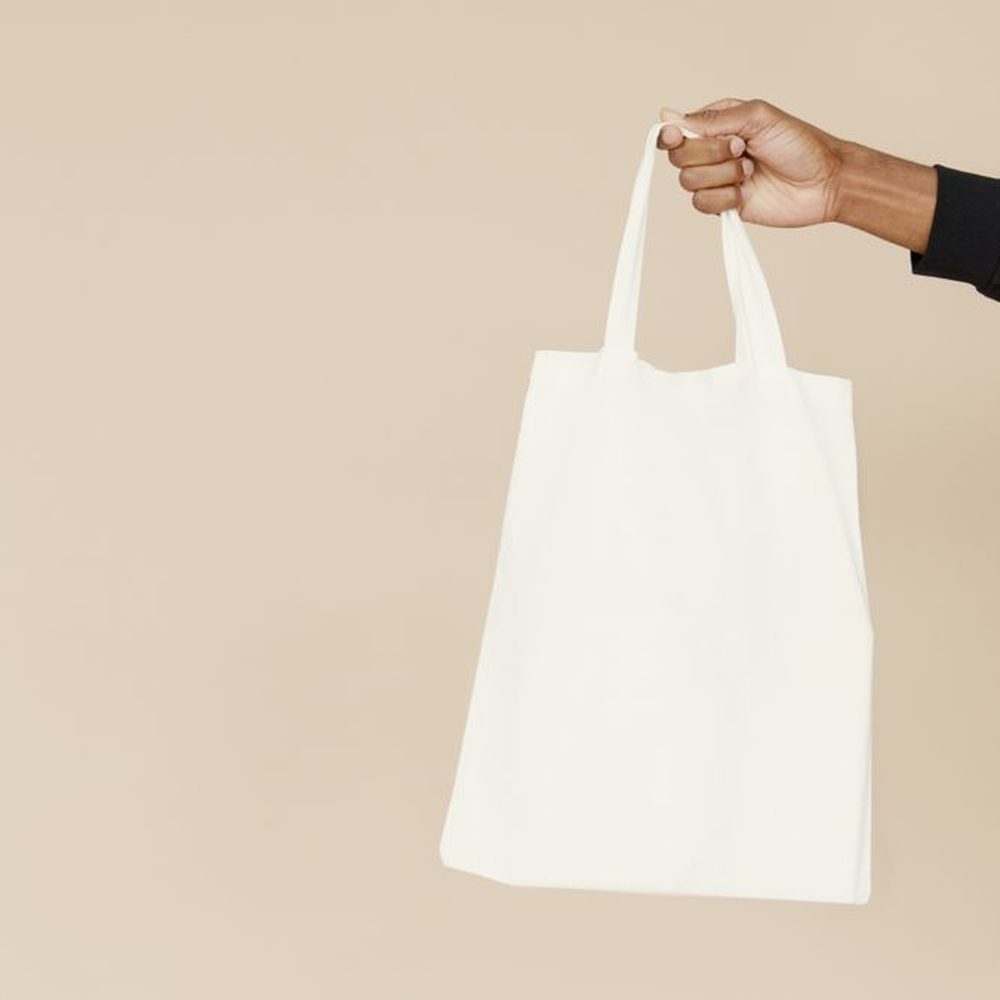
Start with how you carry your life. If your day is mostly errands and a few meetings, a medium tote with an internal laptop sleeve and a secure top closure will likely be ideal. If you routinely carry gym gear, shoes, or groceries alongside work items, choose a large tote with a wide base and durable straps. Try packing your regular items at home into a box with similar dimensions to test before you buy. Think about comfort, too. Strap length, handle width, and weight distribution matter as much as raw volume. If possible, try a tote loaded with a few pounds to see how it sits on your shoulder. Read product pages for lining and pocket details, then ask questions if anything is unclear. We offer a selection of thoughtfully designed totes on our site, and if you want help matching a bag to your routine reach out through our contact page or browse new designs at new arrivals.
Wholesale And Boutique Needs
If you buy totes for a store or to stock a boutique, plan for display and turnover. Stock a range of sizes so customers can compare. Consider carrying a durable medium tote as your core offering and a statement large tote for seasonality. For trade buyers, get in touch via our contact page to learn minimums and turnaround times, and to see how our bags fit retail needs at our contact page.
Frequently asked questions
Can a tote fit a 15 inch laptop?
What should I keep in a tote for travel?
How do I protect fragile items in a tote?
Are leather totes practical for daily use?
Where to go next
Totes are one of the most flexible bags you can own, and knowing what fits in a tote will save time and frustration. Match size to routine, add a few organizers, and pay attention to strap comfort so your tote becomes a reliable daily tool rather than a catchall. If you want help choosing the right tote for work, travel, or shop stock, browse our collection at the full collection and explore new arrivals at new arrivals. For questions about fit or trade inquiries, reach out through our contact page—we’re happy to help you find a tote that fits your life.
Written by the Feel N Flow studio
Everyday handbags, chosen and shipped from Tucson, Arizona.