A handbag is more than an accessory. It’s something you carry every day, it holds essentials and it scores first impressions. Knowing how to spot a well made handbag saves money, reduces waste, and gets you a companion that performs day after day.
This article walks through seven practical signs to look for when you shop, whether you’re buying online or in person. We’ll cover materials, construction, hardware, linings, and the small details that make a big difference. Along the way, you’ll find tips for care and questions to ask retailers or makers before you buy.
Quality Materials
The material is the most obvious place to start. Full-grain leather, tightly woven canvas, premium vegetable-tanned leathers, and sturdy technical fabrics each have different looks and lifespans. Full-grain leather shows natural grain and will patina over time. If the leather looks perfectly uniform and plasticky, it’s likely corrected or bonded, and it won’t age as gracefully.
Beyond type, pay attention to the thickness and finish. A well made handbag uses materials with enough body to hold shape, but not so stiff they feel brittle. Try a gentle pinch test on the edge of a strap or panel. The leather should compress a little, then spring back. For fabric bags, check weave density; you want tight threads that resist snagging and fraying.
Even, Tight Stitching
Good stitching is non-negotiable. Inspect seams closely: stitches should be even in length, sit straight along the seam line, and have no loose threads. A high stitch-per-inch count usually means stronger seams. For leather, look for saddle stitching or lock stitching; both are durable when done well.
Pay extra attention to stress points where handles meet the body, and where zippers end. These are the first places to fail on a poorly made bag. If you see back-tacks or bar tacks—short, dense rows of stitches at the end of a seam—that’s a sign the maker reinforced the area intentionally.
Solid Hardware
Hardware—zippers, clasps, rings, feet—gets used constantly. Cheap zippers catch or separate; plated metals flake and reveal a dull base. A well made handbag uses robust, plated or solid metal hardware, ideally brass or stainless-steel base. Test zippers when you can; they should zip smoothly and return to alignment without sticking.
Look for reinforced attachment points where hardware is connected. D-rings sewn into a single thin tab are less secure than a doubled tab with an additional backing. If a bag advertises removable straps, check the snaps and clips for solid spring action and tight closure.
Zipper Types
Metal zippers are durable and often smooth, but they add weight. Coil zippers are lighter and flexible for curved openings, but quality varies. YKK is a familiar maker of durable zippers, but a zipper brand alone doesn’t guarantee the rest of the construction is strong.
Hardware Finish
Look for finishes that match the overall build, such as antique brass with full-grain leathers. Solid finishes that resist flaking will last longer—if the plating chips within months, the piece will look older than it should.
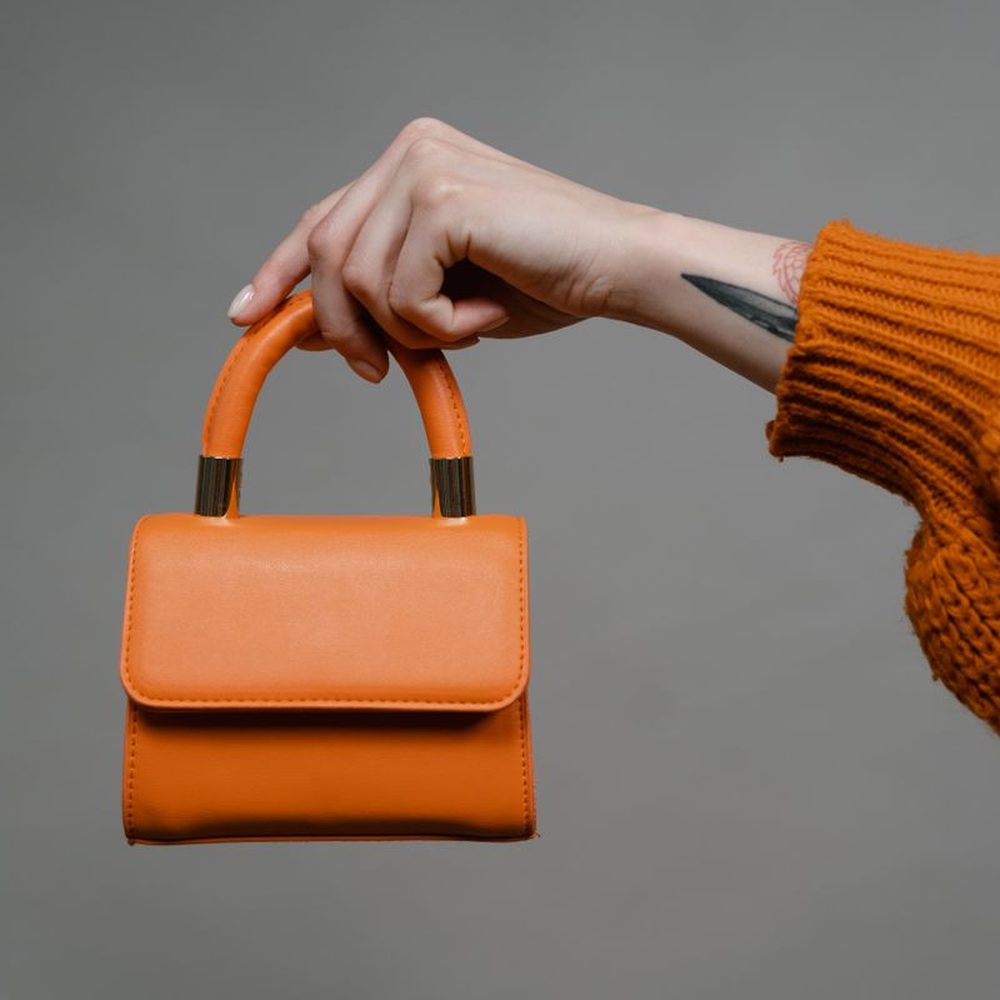
Clean, Functional Linings
Lining choice affects both function and longevity. A well made handbag uses a lining fabric that resists staining and abrasion, such as tightly woven cotton, canvas, or a durable nylon. Cheap linings can shred and expose pockets or raw seams that snag contents.
Inspect interior seams too. They should be finished—bound, taped, or reinforced—so the lining won’t pull away from the shell. Thoughtful pockets with secure closures and a dedicated slot for a phone or keys are signs the maker considered daily use, not just appearance.
Smart Structure
A well made handbag balances structure and flexibility. Some bags are intentionally rigid to hold shape, others are soft and slouchy. What matters is that the construction supports the intended use. Look inside for internal reinforcements: leather or canvas linings at the base, a hidden board to protect the bottom, or internal tape that keeps side seams tidy.
Check how the bag sits when empty. A good design won’t tip over or sag oddly. If the bag collapses in the middle or the opening puckers, the interior architecture may be weak. For bags meant to carry heavier loads, pay attention to base feet. Metal feet lift the bottom off surfaces, reducing abrasion and helping the bag keep its shape.
Thoughtful Details
The small choices reveal whether a maker thought about daily life. Edge finishing on leather matters; burnished or painted edges last longer than raw cut edges that will fray. Reinforced strap ends, riveted corners, and neatly glued seams show extra care. Even details like gussets that allow expansion, a smooth interior pocket for sunglasses, or a key leash can set a well made handbag apart.
Scent is a detail people overlook. Quality leathers have a pleasant, earthy leather smell. Strong chemical odors often indicate heavy finishes or adhesives. If you’re sensitive to smells, ask the brand about their tanning and finishing processes before you buy.
Edge Work
Edges that are sanded and finished, whether burnished on vegetable-tanned leather or painted on corrected leathers, will avoid peeling. Run your thumb along the edge; it should feel smooth and consistent.
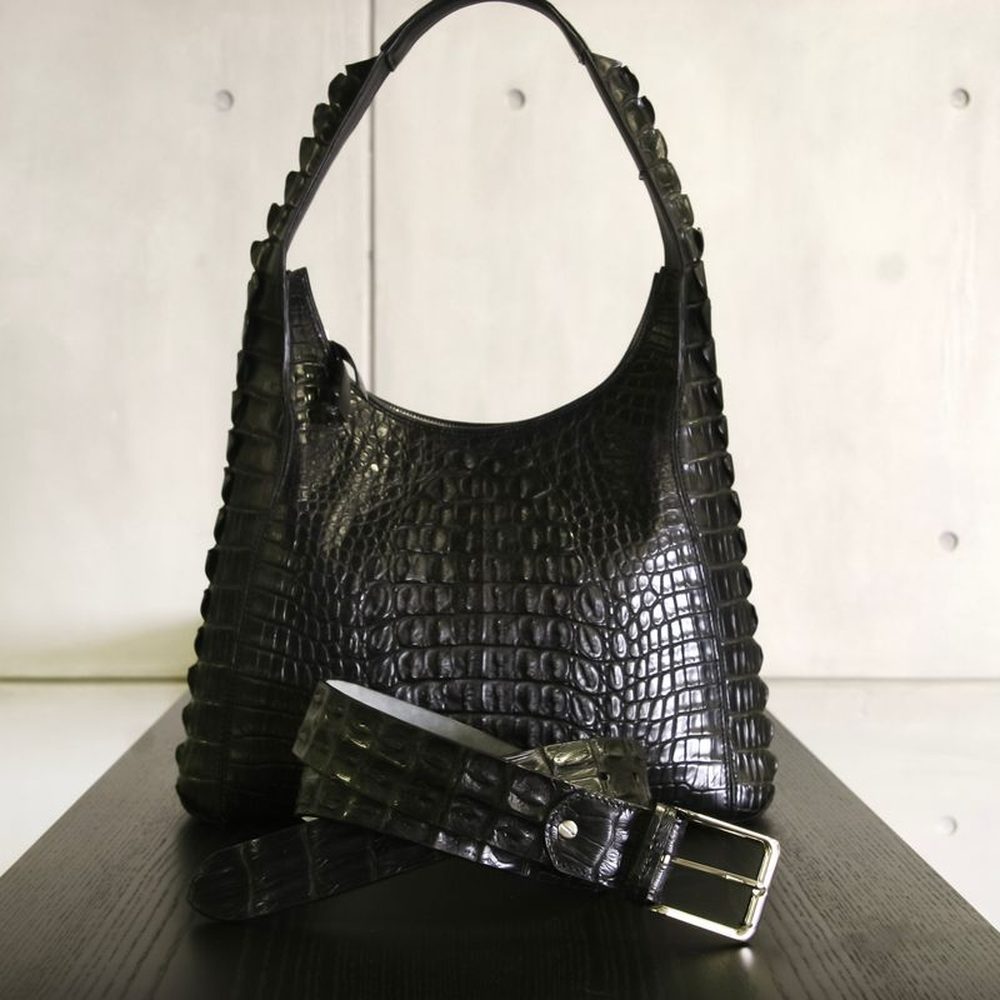
Warranty And Transparency
A maker confident in their work stands behind it. Look for a clear repair policy, warranty, or lifetime repair program. Even a standard one-year warranty that covers workmanship tells you the brand expects their bags to hold up. Transparency about materials and where the bag was made is also important; responsible brands can name their mills or factories without oversharing.
If you’re buying wholesale or stocking bags in a store, request construction photos and lead times. Retailers will want specifics such as strap drop, interior dimensions, and recommended retail price. If a brand can’t answer basic production and material questions, that’s a red flag. Feel free to ask for a sample and inspect it in person before committing to a larger order.
Frequently asked questions
How can I tell real leather from faux leather?
Are brand names a reliable indicator of quality?
What should I ask when buying wholesale?
How much does a well made handbag cost?
Where to go next
Spotting a well made handbag takes a mix of knowledge and mindfulness. Look for honest materials, strong stitching, solid hardware, clean linings, structural thought, thoughtful details, and a transparent warranty or repair policy. These signs add up to bags that last, carry well, and feel nicer with time. If you want hands-on help picking a bag, browse our range or contact us directly. Visit our shop to see current designs, read maker notes on our blog, or get in touch through our contact page for custom questions. Retailers can get in touch through our contact page to discuss retail purchasing, and you can find our stores and stockists at our stores.
Written by the Feel N Flow studio
Everyday handbags, chosen and shipped from Tucson, Arizona.