Vegan leather is durable, affordable, and often easier to care for than traditional leather. Still, it deserves attention. With the right routine you can prevent cracking, stains, and color loss while keeping your bag looking like new.
This guide covers everyday cleaning, deeper stain treatments, conditioning options, storage best practices, and quick fixes for common problems. You’ll find specific products, measurements, and step-by-step instructions written for people who actually use their bags, not museum pieces.
Know Your Material
Vegan leather is a family of materials, not a single substance. Most bags use polyurethane (PU) or polyvinyl chloride (PVC), and newer plant-based or bio-based leathers combine fabrics with a polymer finish. Each type behaves slightly differently under heat, sunlight, and cleaning agents.
Before you start any cleaning or conditioning routine, check the product tag, the brand care card, or the website listing for the material name and any manufacturer instructions. If you can’t find specifics, test products on an inconspicuous spot, like the underside of a strap or the inside corner of the bag, so you avoid surprises.
Everyday Cleaning
For daily maintenance, gentle wiping is usually enough. Use a soft microfiber cloth and warm water to remove surface dust and light dirt. Wring the cloth well so it’s damp, not wet; excess water can seep into seams and adhesives.
For a routine clean, mix one teaspoon of mild liquid soap, such as dish soap or a gentle hand soap, into a cup of warm water. Dip the cloth, wring it, then wipe in long, even strokes. Finish with a second damp cloth that only has water to remove soap residue, then let the bag air dry away from direct sunlight.
- Use soft microfiber or cotton cloths
- Avoid rough brushes or abrasive pads
- Wring cloths so they are only damp
Treating Stains
Stains on vegan leather can usually be addressed without harsh chemicals. For food, oil, or makeup stains, blot immediately with a dry cloth. Don’t rub, that can spread the stain. If blotting isn’t enough, follow a mild soap solution treatment like the one in Everyday Cleaning.
For ink or dye transfer, such as from denim, try isopropyl alcohol on a cotton swab. Use the swab lightly and work from the outside of the stain inward. Test first on a hidden spot. For persistent marks, a commercial stain remover formulated for synthetics can work, but check that the product label lists compatibility with PU or PVC.
- Blot spills immediately
- Use mild soap for organic stains
- Try isopropyl alcohol sparingly for ink
Removing Oil Stains
Oil and grease need absorption first. Sprinkle a little cornstarch or talc on the stain and let it sit for several hours to draw the oil out. Brush or vacuum off the powder, then follow with the mild soap and warm water method. Repeat if necessary.
Handling Color Transfer
Color transfer from clothing can be tricky. Start with a damp cloth and mild soap. If that fails, use a small amount of rubbing alcohol on a cotton swab, but only on dark or heavily pigmented transfers and after testing a hidden area.
Conditioning And Protecting
Unlike animal leather, most vegan leathers don’t need oil-based conditioners. Oils can break down or soften the polymer finish, making it sticky or discolored. Instead, use products made specifically for synthetic materials. These conditioners restore flexibility to the topcoat and add a protective layer against water and stains.
Look for fabric or vinyl protectors rather than traditional leather creams. Apply a small amount to a soft cloth and buff gently. Always test on an unseen area first. For a DIY option, a 50/50 mix of water and white vinegar applied sparingly can refresh the finish, but rinse with plain water afterward.
Products To Consider
Choose vinyl or synthetic protectors sold for upholstery, sneakers, or handbags. Avoid wax-based or oil-rich leather balms. Brands that clearly list compatibility with PU or PVC are safer bets. When in doubt, contact the maker for guidance or check the bag’s care card.
Drying And Heat Safety
Vegan leather can warp or melt under high heat. Never use a hair dryer, place a bag on a heater, or put it in a hot car for long periods. When a bag gets wet, pat it with a dry cloth and keep it at room temperature to air dry.
If leather-like glue lines separate after water exposure, let the bag dry fully before attempting any repair. Press the edges gently and, if needed, use a clothes pin or a low-pressure clamp with protective layers to re-bond a seam while the adhesive cools. For major separation, consult a local repair shop familiar with synthetics.
Storage Best Practices
Proper storage stops creases, color fading, and mold. Store bags in a cool, dry place away from direct sunlight. Fill the bag lightly with acid-free tissue paper or a clean towel to maintain shape. Avoid newspaper or colored tissues that could transfer ink.
Use breathable dust bags for long-term storage. Plastic bags trap moisture and can encourage mildew. If you use closet shelving, allow airflow between items and rotate bags occasionally to prevent permanent pressure marks.
- Fill to shape with acid-free tissue
- Store in breathable dust bags
- Avoid plastic for long-term storage
Quick Fixes And Repairs
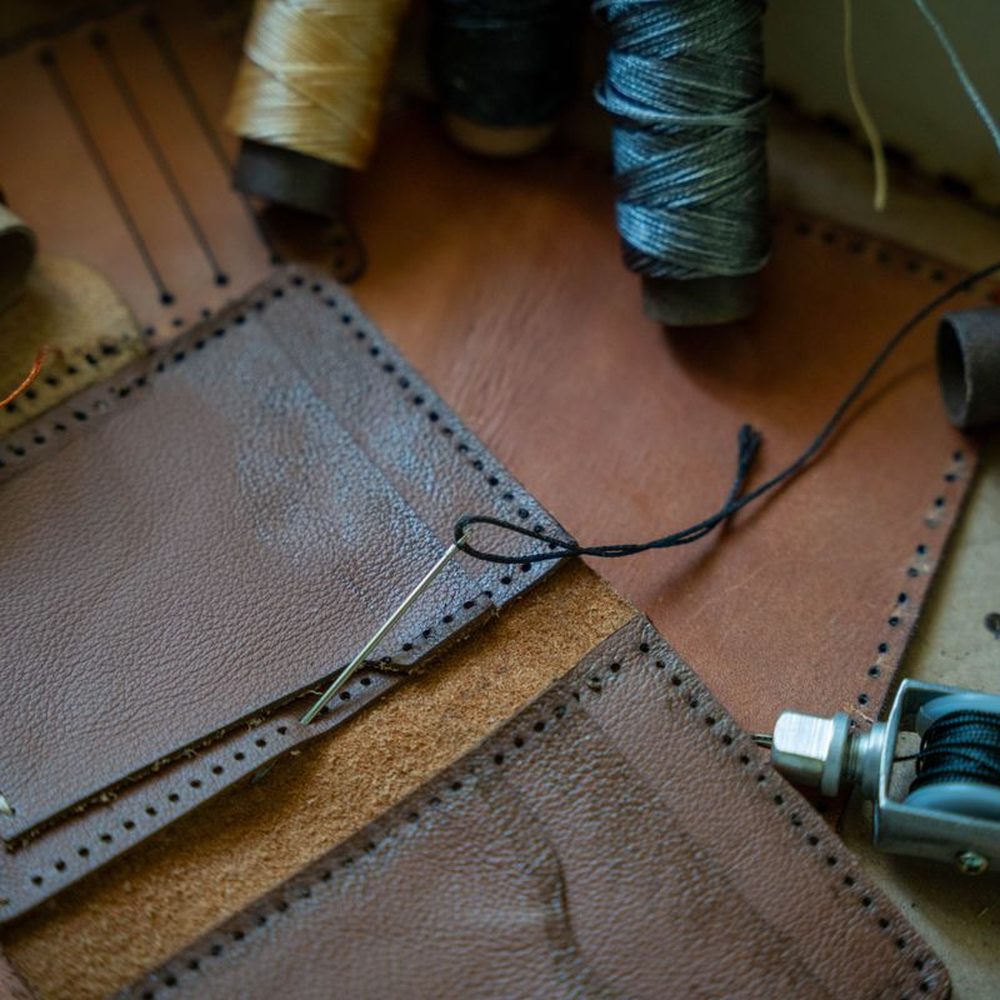
Small scratches often buff out with a soft cloth and a tiny amount of synthetic protector. For deeper scuffs, use a color-matched touch-up paint made for faux leather—look for touch-up paints sold for craft or upholstery projects. Apply in thin layers, let each dry fully, then finish with a compatible topcoat. Loose hardware, like zippers and rivets, should be tightened or replaced promptly to prevent additional strain. If a seam opens, a needle and strong polyester thread can handle many repairs. For structural work or large tears, a professional repair service is the safer route.
Fixing Scuffs
Clean the area first. Apply a tiny amount of synthetic leather paint with a cotton swab. Let it dry, then buff lightly. Repeat until the color blends, and seal with a protectant made for synthetics.
Travel And Everyday Use
If you use your vegan leather bag for travel or daily commuting, take a small care kit with you. Include a microfiber cloth, a travel-size mild soap, and a stain stick or wipe rated for synthetics. Address spills as soon as you can to maximize the chance of full removal.
When packing, don’t squish other items on top of the bag. Place it upright or padded with clothes. If you’re checking a bag in for a flight, place it inside your luggage rather than loose in the hold to limit heat and pressure exposure.
- Carry a micro-care kit when traveling
- Pack with padding to keep shape
- Deal with spills promptly
Sustainability And Longevity
One reason many people choose vegan leather is ethical and environmental concerns. To get the most sustainable life out of your bag, treat it like any quality accessory. Regular care prevents premature failure and reduces the need for replacement. Repair rather than discard when possible. When you eventually retire a bag, consider donating it, selling it, or repurposing the hardware and lining. Some retailers offer recycling or take-back programs for synthetic goods. If you stock our bags in your shop, confirm care instructions with the brand so you can give customers accurate advice, and include clear care notes on tags or product pages to help items last.
Frequently asked questions
Can I machine wash vegan leather items?
Will conditioner make vegan leather sticky?
How do I remove mildew from vegan leather?
Is sunlight bad for vegan leather?
Where to go next
Caring for vegan leather is simple once you have a gentle routine and the right products. Regular cleaning, prompt stain treatment, and proper storage will keep your bags looking better, longer, and reduce the need for replacement. If you want product-specific advice for a Feel N Flow bag, check the care notes on the product page or reach out to our team through contact page. Browse our current styles at the shop and learn more about our story at our story. For trade or boutique partner inquiries and care materials, please reach out via our contact page or read more in our journal at our blog.
Written by the Feel N Flow studio
Everyday handbags, chosen and shipped from Tucson, Arizona.