Every zipper pull, rivet, and clasp is doing more than holding leather together. Handbag hardware affects how a bag looks, how long it lasts, and how it behaves in daily life. From the subtle sheen of a nickel finish to the comforting click of a lock, hardware is craft and function in one small package.
This article walks through common hardware types, the materials and finishes you’ll encounter, how to care for them, and how makers and retailers can choose hardware that suits price, durability, and design. Whether you carry your favorite everyday tote or choose components for a small production run, you’ll get clear, useful guidance.
Why Hardware Matters
Hardware is the interface between a bag and the world. It takes weight, gets touched, and faces moisture and grit. The right hardware supports straps, secures closures, and protects stress points. If the hardware fails, the bag stops serving its owner even if the leather is flawless.
For designers and shop buyers, hardware also sets tone. Polished brass reads dressy and refined. Brushed gunmetal reads modern and low-gloss. Choosing hardware is a balance of aesthetics, function, and unit cost. Understanding the options helps you make smarter choices whether you’re buying one bag or placing a wholesale order.
Common Hardware Types
Certain hardware pieces show up on nearly every bag. Zippers and zipper pulls, swivel hooks and D-rings for straps, buckles for adjustment, studs and rivets for reinforcement, and magnetic or turn-lock closures for access control. Each type has variants tuned to different uses.
Zippers come in coil, molded plastic, and metal teeth. Coil zippers are flexible and often quieter. Metal teeth give a higher-end look and can handle more stress. Swivel hooks let a strap rotate without twisting, which matters for crossbody bags that get jostled through the day.
- Zippers: coil, molded, metal teeth
- Hooks and rings: swivel hooks, D-rings, O-rings
- Closures: magnets, turn-locks, clasps
- Reinforcement: rivets, studs, grommets
Materials Explained
Most handbag hardware is brass, zinc alloy, stainless steel, or plated base metal. Solid brass parts are heavy, durable, and patina over time. For a warm, aging look choose unlacquered brass. Zinc alloys are inexpensive, easy to cast, and often plated to look like brass or chrome. Stainless steel resists corrosion and is a good choice for components exposed to moisture.
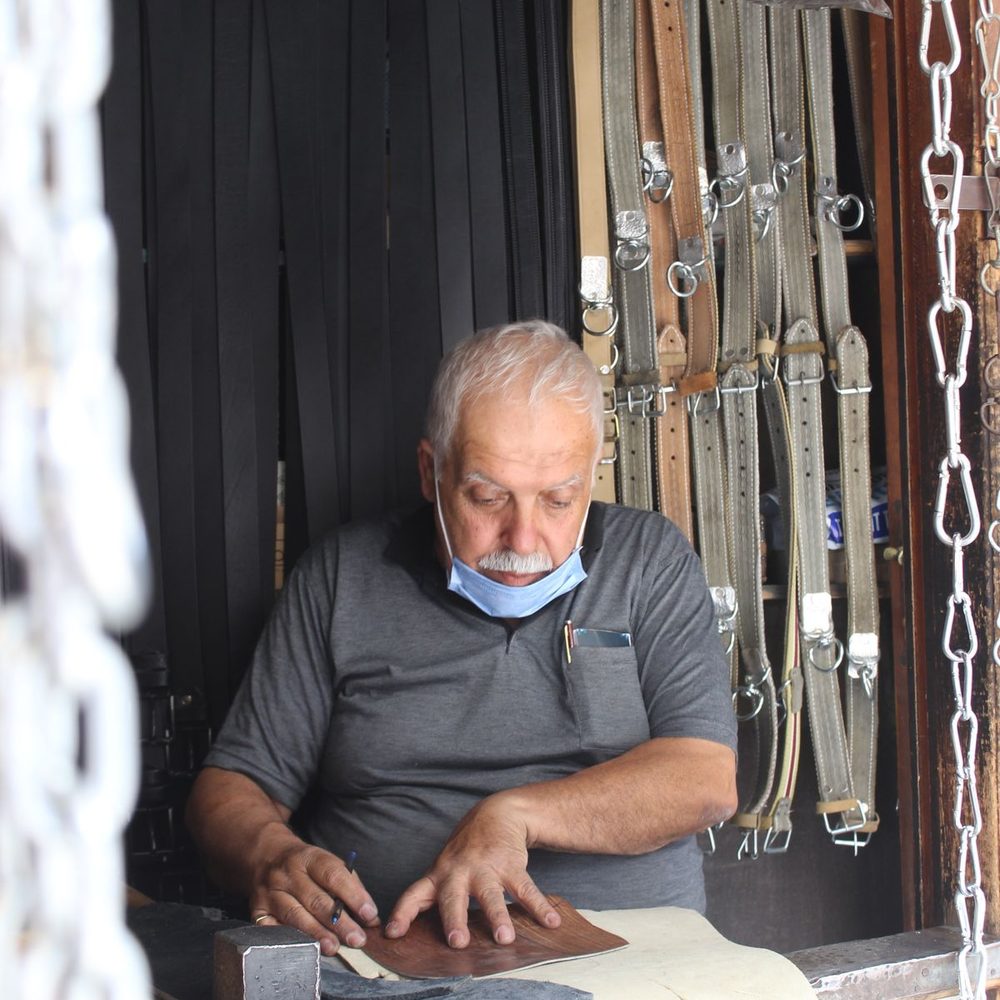
Base metal parts are usually plated, which leads to a huge variety of finishes but also different lifespans. Plating quality matters. Thin plating can wear and flake where the piece rubs against a strap or pocket. When you inspect samples, look at edges and inner curves—the places plating fails first.
Finishes And Wear
Finishes determine color and texture. Common finishes include polished, brushed, antique, and matte. Polished finishes are shiny and dressy but show scratches. Brushed or satin finishes hide light wear. Antiqued finishes are chemically darkened to simulate age and can mask future patina.
Finish also affects corrosion resistance. Lacquered brass holds its initial color longer by protecting the metal underneath. Unlacquered brass will develop a natural, warm patina. If you want consistent color across batches, insist on lacquered or heavily plated finishes and request finish samples before placing a larger order.
Matching Finish To Fabric
Heavy leather can handle bulkier hardware and gleam finishes because the leather balances the visual weight. Lighter fabrics and linens pair better with slim, brushed hardware. Consider scale; a large lobster clasp will overpower a small clutch. Order physical samples and attach them to material swatches before deciding.
Testing Finish Durability
Rub samples with a damp cloth and a bit of mild soap to simulate wear, then inspect for plating loss. Bend thin pieces near stress points to see if the finish cracks. For higher-volume runs, request an accelerated corrosion test from the factory, or at minimum, run your own salt spray check if feasible.
Sizing And Strength
Know the load each part must carry. Strap D-rings and clips need a higher tensile rating than decorative studs. A common rule: pick hardware rated for at least twice the expected load to account for impact and aging. For a day bag that may carry up to 10 pounds, aim for fittings tested for 20 to 30 pounds.
Size matters visually and functionally. Webbing straps connect differently than leather straps; webbing often needs wider, flatter rings to prevent twisting. Check bar widths, post lengths for rivets, and screw thread sizes when you swap hardware in patterns. Mismatched dimensions create weak anchor points or ugly gaps.
Measuring Hardware
Measure the strap width and choose a bar or ring that matches that width. For rivets and snaps, measure post length with the layers of your bag assembled. If adding a decorative stud to a flap, test placement using the assembled thickness so the post reaches through without bottoming out.
Care And Maintenance
Routine care prolongs the life of hardware. Wipe metal parts with a soft cloth to remove oils and dirt. For lacquered brass, a damp cloth is usually enough. For unlacquered brass, a gentle rub with a soft, dry cloth encourages an even patina. Avoid harsh chemicals and abrasive pads which remove plating.
If a clasp stiffens, apply a tiny drop of lightweight machine oil to the joint then wipe away excess. For rust on non-stainless items, gently clean the area and apply a corrosion inhibitor where appropriate. When shipping or storing, wrap hardware in tissue or bubble wrap to prevent scratches and rubbing against leather.
Choosing Hardware Wholesale
When planning hardware for a wholesale run, factor in minimum order quantities, per-unit cost, and the reliability of your production partner. Hardware often has longer lead times than leather, so place orders early. Request production samples in your chosen finish and attach them to prototype bags before approving a production run. Calculate total landed cost, not just per-piece price. Include shipping, customs, plating rework if needed, and wastage from breakage or misclassification. A slightly higher unit cost for tougher hardware can save money by reducing returns and repairs. If you sell wholesale through platforms, list hardware specs on product pages so boutique buyers know what to expect.
Wholesale Math Example
If a swivel hook costs $0.90 retail and you buy 1,000 units at $0.60 each, your hardware cost is $600. Add $120 in shipping and $30 in customs for a $750 landed cost, or $0.75 per unit. If each bag uses two swivel hooks, that’s $1.50 hardware cost per bag. Factor that into your wholesale price with material, labor, and margin in mind.
Documentation For Buyers
Provide spec sheets listing material, finish, tensile rating, and maintenance tips. Boutiques appreciate clear specs so they can describe the product accurately to customers and handle care questions. Link to your /contact page so interested shops can order sample pieces.
Fixes And Replacements
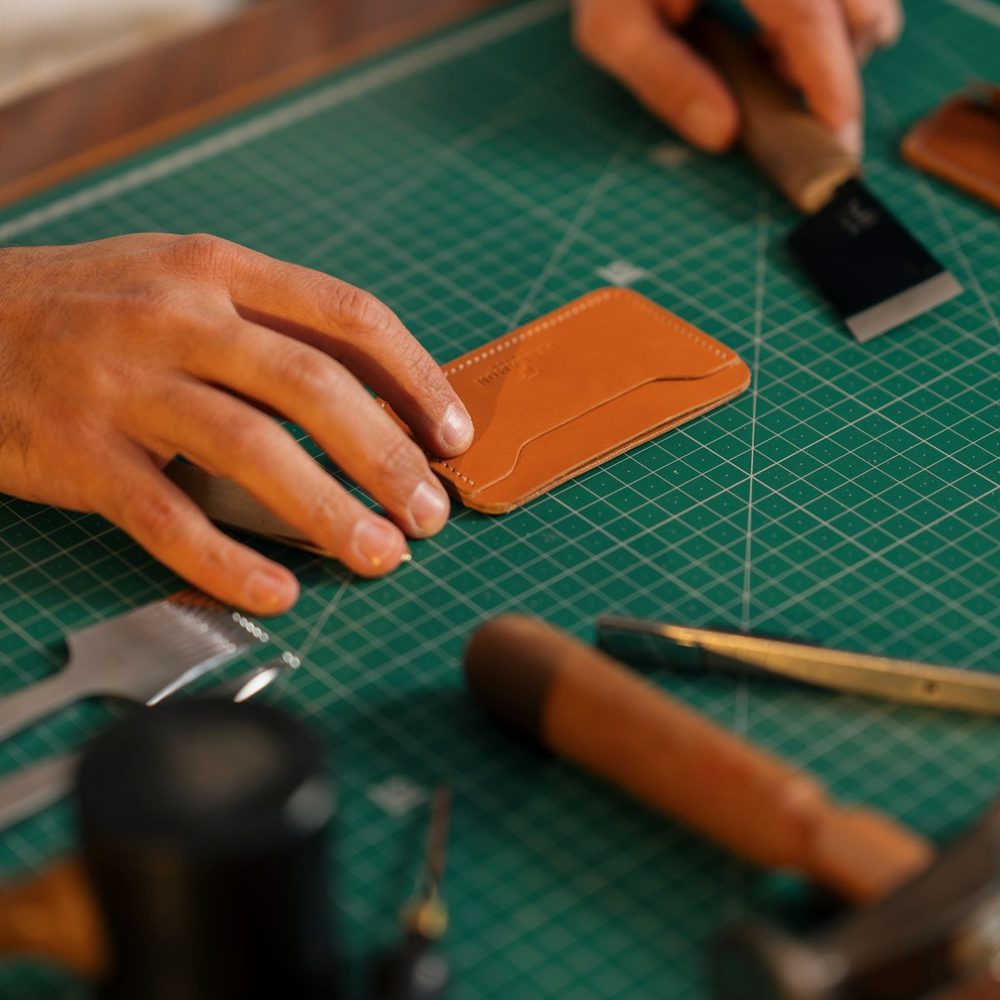
Hardware will occasionally fail on a bag. Countersunk rivets can back out, clasps can bend, and plating can wear off. For consumer repairability, choose hardware styles that local cobblers can replace, like standard rivets and screw-in feet. That choice extends product life and reduces returns.
Keep a small parts kit for common replacements. Include spare D-rings, rivets, and a couple of common-length screws. For wholesale partners, offer a parts and repair guide or a repair service option. That aftercare builds trust and keeps your bags in use longer.
Frequently asked questions
How do I know if hardware is real brass?
Can I keep hardware finishes consistent across a range?
What cleaning products are safe for plated hardware?
Should I choose lacquered or unlacquered brass?
Where to go next
Hardware is small but mighty. The choices you make about material, finish, and sizing affect aesthetics, strength, and long-term ownership. For makers and buyers, thoughtful hardware selection reduces returns, improves durability, and creates a better customer experience.
If you’re curious about how we specify hardware for our own designs, or if you’re a shop interested in carrying our bags, check our wholesale information and story pages. You can also browse current collections in the shop or reach out directly for samples and questions.
Written by the Feel N Flow studio
Everyday handbags, chosen and shipped from Tucson, Arizona.