Suede and nubuck have a soft, tactile appeal that feels special in hand and on the shoulder. That texture is also what makes them sensitive to water, oil, and abrasion. With a few straightforward tools and the right approach, you can keep a suede or nubuck handbag looking fresh without risking damage.
This article walks through daily care, spot cleaning, deeper restoration, and long-term storage. You’ll learn what to keep in your bag care kit, how to tackle common stains like water rings and oil, when to call a professional, and how to protect your investment so the leather develops character rather than wear.
Understand The Materials
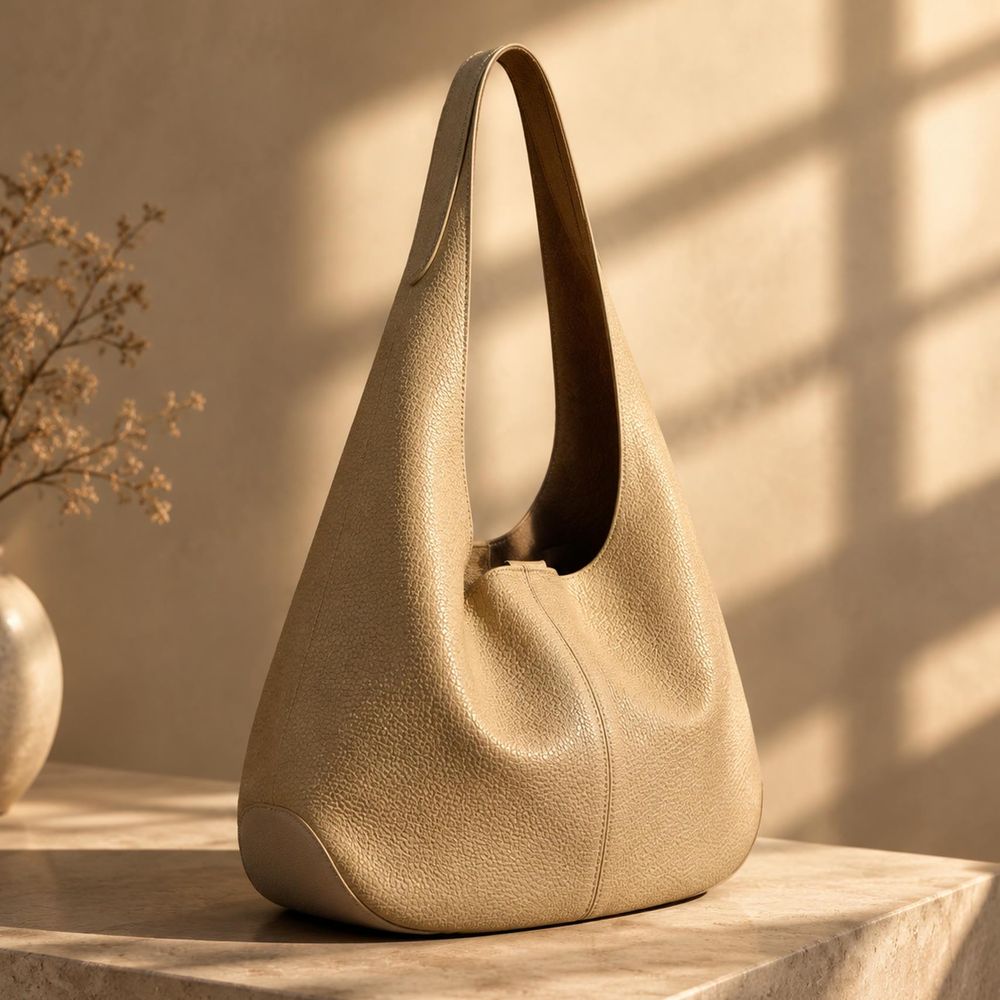
Suede and nubuck are both types of split leather. Suede is the inner, napped side of the hide with a softer pile. Nubuck is top-grain leather that has been buffed for a short, velvety nap. Both attract dirt and oil differently; nubuck tends to be slightly more durable because it uses top-grain leather, but both need similar care. Knowing which you have matters. Suede usually feels fuzzier and shows nap direction more clearly. Nubuck feels more uniform, like a short velvet. Your handbag tag or our product descriptions on our shop will tell you which finish your bag uses, and that will guide your cleaning approach.
Build A Care Kit
Keep a small care kit on hand. Essentials are a soft suede brush, a clean white rubber eraser or suede cleaning block, a lint-free cloth, and a suede protector spray made for leather. For occasional deeper cleanings, add a gentle suede cleaner or saddle soap formulated for delicate finishes. Avoid household cleaners, general shoe polishes, and anything with harsh solvents. Protectant sprays should be applied outdoors in a well-ventilated area and tested on a hidden spot first. If you like, include a small microfiber pouch for storing the brush and eraser inside the bag when not in use; visit our homepage to review our care recommendations and accessory suggestions.
- Suede brush with dual bristles, if possible
- White rubber eraser or suede block
- Suede protector spray
- Lint-free cloth and a small microfiber pouch
Daily Upkeep
Light daily care prevents most problems. After each use, brush the nap gently with the suede brush in one direction to lift dirt and realign fibers. If your bag picked up surface dust, a quick brush keeps it from embedding into the leather. Store your handbag in a dust bag or breathable cotton pillowcase, not plastic. Plastic traps moisture and promotes mildew. Stuff the bag with acid-free tissue or a soft cloth to help it keep its shape. If you bought your bag from our online shop, check the product card at the new arrivals page for suggested storage dimensions and stuffing material.
Handle Water And Moisture
Water is the most common hazard for suede and nubuck. Small light water spots can often be evened out by letting the leather dry naturally away from direct heat. Once dry, use your suede brush to restore the nap. Patience is key; forceful rubbing can flatten the texture.
For water rings, dampen the entire affected panel very lightly with a mist of clean water, not a soak. Use a sponge or clean cloth to spread moisture evenly, then let it dry flat at room temperature. When fully dry, brush the nap. If the water left a white mineral ring, a light pass with a suede eraser can help lift the deposit.
Dealing With Heavy Exposure
If your bag was soaked, carefully blot excess moisture from seams and hardware with a towel, but don’t rub. Reshape the bag with soft stuffing and allow it to dry naturally away from heat. If the leather darkens while wet, that’s normal; it should return to a more even tone after drying and brushing.
Consider a professional restoration if heavy soaking caused stiffness or permanent stains. Pro cleaners have controlled drying and conditioning methods that most at-home approaches can’t replicate.
Remove Common Stains
Oil and grease are the toughest stains on suede and nubuck because they attract dirt and darken fibers. For fresh oil, blot immediately with an absorbent powder like cornstarch or talc. Let the powder sit overnight to absorb the oil, then brush away gently. Repeat once if needed. Never use water on oil stains, it can spread the grease.
For scuffs and marks, use the suede eraser or cleaning block. Rub gently in one direction to lift the nap and reduce the mark. For stubborn stains, a dedicated suede cleaner may be recommended; apply sparingly to a test area and follow product instructions. If the stain persists after careful home attempts, ask a professional to avoid grinding the stain deeper into the leather.
Ink And Dye Transfer
Ink and dye transfer are high-risk stains. Avoid alcohol-based removers and household solvents. Sometimes a suede eraser can reduce the visibility of an ink mark, but full removal is unlikely at home. For any ink penetration, seek professional cleaning as soon as possible to minimize permanent discoloration.
Refresh And Restore Nap
Over time, the nap on suede and nubuck will flatten in high-contact areas. To revive it, hold the bag a few inches from steam produced by boiling water or a handheld steamer, do not let the leather get wet. Carefully steam the surface for a few seconds to relax fibers, then brush with your suede brush while the leather is still warm and slightly damp from the steam.
Avoid excessive steaming. Too much heat or moisture can darken or shrink the leather. Test steam on a hidden spot first, and work in small sections. For small, stubborn flattened areas, the suede eraser followed by brushing often restores texture without steam.
Protect And Prevent
A protective spray formulated for suede and nubuck is the single best preventive step you can take. Apply evenly outdoors or in a ventilated area, using short, light bursts. Let the bag dry completely before use. Reapply every few months, more often in wet climates or with heavy use. Be mindful of color change. Some protectors can slightly darken very light suede. Test on an inside seam first. For retail owners or boutique stock, store protected items in cool, dry conditions and rotate displays to limit prolonged sun exposure. If you’re interested in care packs or bundles to offer with handbags, see our contact page at our contact page for ideas on pairing care items with new bags.
When To Seek Professionals
Home care handles most routine issues, but professionals have tools and chemicals formulated for delicate leathers. Bring a bag to a leather specialist if you face heavy oil stains, widespread color loss, mold, or structural issues like torn seams or damaged lining. Professional cleaning is also a good option before resale or gifting. If your bag has hardware issues or glued trims that lift after cleaning, a leather repair shop can handle those fixes. For bags purchased from our studio, check care guidance on the product page or reach out to customer care at customer care if you’re unsure whether a stain should be escalated to a professional.
Care For Travel And Wear
Travel and daily life expose suede and nubuck to different stressors. Use a protective pouch for packing, and keep leather pieces away from items that might leak. When wearing, be mindful of rain and places prone to grease, like food trucks or kitchen counters. If you manage a boutique or stock boutique-ready handbags, include a simple care card with each purchase explaining basic steps to clean suede handbag items, and recommend a protectant. Customers appreciate practical tips, and a small printed guide can reduce returns related to misuse. Learn more about our approach to product storytelling on our story and find journal resources at our journal.
Frequently asked questions
Can I use water to clean my suede handbag?
Will a protector spray change the color?
How do I remove oil or grease?
Is steam safe for restoring nap?
Where to go next
Suede and nubuck reward gentle, consistent care. With a simple kit, regular brushing, and targeted fixes for water or oil, your suede handbag can stay beautiful for years and develop a character you’ll enjoy. If you’d like a starter care kit or a printable care card to include with a boutique purchase, browse our suggested pairings on our shop or reach out via contact us for personalized advice. For retailers, see tips and suggestions to help customers protect their new bags—please contact us for more information.
Written by the Feel N Flow studio
Everyday handbags, chosen and shipped from Tucson, Arizona.