Choosing a bag is about more than looks. It’s about how the material feels, how it wears, and how it fits into your routine. When shoppers ask us about leather vs vegan leather bags, they usually want honest, usable info: which one lasts, which one stains, and which one is easier to maintain.
This article walks through the material differences, real-world performance, environmental trade-offs, care instructions, and the cost math both for shoppers and for shop owners thinking about wholesale. We’ll also share practical tips for buying, using, and repairing both kinds of bags so you get value for years, not just months.
What Each Material Is
When people say leather they usually mean animal hide that has been tanned. Vegetable tanning and chrome tanning are the two most common processes. Vegetable-tanned leather develops a patina over time, softens with use, and often shows scratches and water marks as character. Chrome-tanned leather is more water resistant and less likely to change color quickly, but it can feel less natural to the touch.
Vegan leather is an umbrella term. It can mean polyurethane (PU), polyvinyl chloride (PVC), or newer bio-based and plant-derived materials like cork, apple peel composites, or waxed cotton coated with synthetic finishes. PU is common in fashion bags because it can mimic grain and is lightweight. Newer bio-leathers aim to reduce petrochemical content and offer different aging behaviors.
Look, Feel, And Aging
Real leather has a grain that varies across the hide. That variation gives it depth and a look that changes with wear. Many people appreciate scratches and softening because it tells the bag's story. Leather also breathes, which can help regulate humidity inside the bag over time.
Vegan leather started as an attempt to mimic leather’s look, and some varieties do it well at first. PU often has a uniform surface that resists scuffs but can peel after several years, especially where straps flex. New plant-based alternatives usually age differently; some darken, some flatten, and some retain a nearly identical look for a long time.
Durability And Wear
If you need a workhorse bag, full-grain leather is hard to beat. It resists abrasion and, with proper care, can last a decade or more. That resilience comes from the dense fiber structure of the hide and the way the fibers compress rather than crack. Reinforced stitching, solid hardware, and edge coatings also extend life.
Many vegan leathers perform well for daily light to moderate use. PU bags resist moisture and are easy to wipe clean, but they are vulnerable to cracking at stress points and the finish peeling over time. PVC is tough but heavier, and it can stiffen with temperature extremes. When assessing durability, check strap attachment points and test any creasing zones, because that’s where synthetic finishes most often fail.
Care And Maintenance
Leather needs routine basic care. For vegetable- or chrome-tanned leather, dust and wipe with a soft cloth. Use a pH-balanced leather cleaner for deeper cleaning, then apply a conditioner designed for the leather type to restore oils. Avoid soaking leather, and keep it out of prolonged direct sunlight to slow color change.
Vegan leather is lower maintenance. Wipe spills with a damp cloth and mild soap. Avoid oil-based cleaners because they can degrade synthetic finishes. For plant-based leathers, follow the manufacturer's guidance; some benefit from gentle conditioning with specific products. For both materials, store bags stuffed and upright to maintain shape, and use small pouches for liquids to prevent internal stains.
Cleaning Steps For Leather
Start with a dry brush or soft cloth to remove surface dust. Apply a small amount of leather cleaner to a cloth and test in an inconspicuous spot. Wipe gently and let the leather dry before applying a thin layer of conditioner, buffing with a soft cloth for even absorption.
Quick Care For Vegan Leather
For PU and PVC, wipe with a damp cloth and mild detergent. For stubborn marks use isopropyl alcohol sparingly on a cotton swab and then wipe away quickly. Never machine wash, and avoid heat sources which can warp synthetic coatings.
Environmental Trade-offs
The environmental conversation isn’t black and white. Leather uses an animal resource and tanning can involve chemicals and water. Vegetable tanning reduces some chemical use but still requires water and energy. When choosing a leather bag, ask the maker about their tanning methods, waste treatment and steps they take to reduce environmental impact. Vegan leather often relies on plastics derived from fossil fuels, and microplastics and chemical additives are real concerns. Newer plant-based alternatives reduce petrochemical content, but many are still manufactured with energy and solvents. When evaluating environmental impact, consider production, transport, durability, and end-of-life. A long-lived leather bag with repairability can be a more sustainable choice than a short-lived synthetic bag, even if the initial footprint looks higher.
Cost And Value
Upfront cost usually favors vegan leather. Synthetic bags are often more affordable because the materials and processes scale cheaply. However, factor in lifespan. A well-made leather bag can be reconditioned and repaired, pushing the cost per year of use down significantly. Wholesale math matters if you sell bags in a shop. Calculate cost of goods, expected retail markup, and estimated lifespan. For example, if a leather bag costs more to produce but sells longer and can be repaired, it can justify a higher wholesale price and still satisfy customers. We share detailed info on our contact page for boutique owners who need exact numbers, and trade buyers can get in touch to learn more about how we work with shops at our contact page.
Choosing For Your Life
Match the bag to how you live. If you commute in rain or need a wipe-clean surface for frequent spills, a high-quality PU or coated canvas might be right. If you want a bag that looks better with age and can be repaired, opt for a durable leather and select finishes that suit your tolerance for patina. Think about weight too. Leather tends to be heavier, which matters if you carry a lot. Also consider allergies. Some people react to chrome-tanned leathers or to specific synthetic finishes. When possible, test the material in person or buy from a retailer with a clear return policy. You can view our current collections to compare materials at our shop and read more about our design process at our story.
Practical Fit Tips
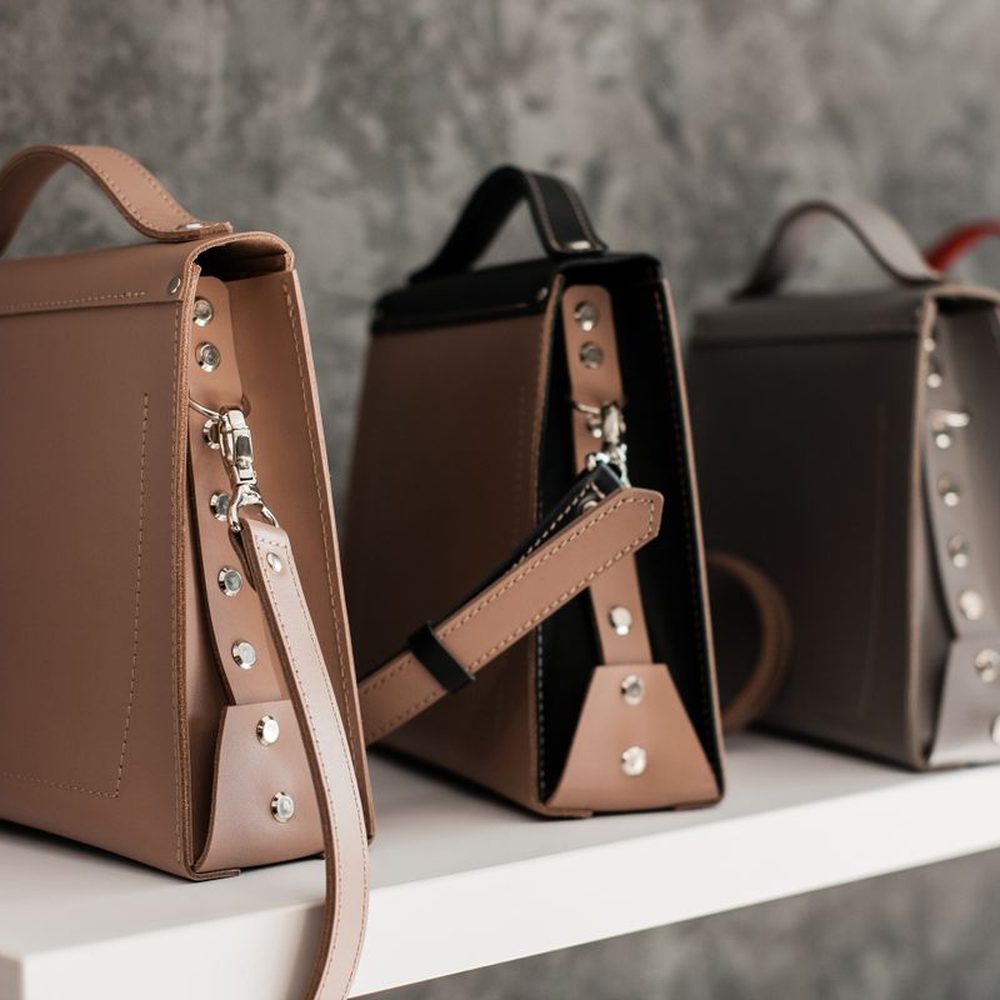
Try the bag loaded with what you normally carry, not empty. Check strap comfort and how the bag hangs. Notice where the strap attaches and whether the attachment area looks reinforced. These small checks predict future stress points.
Repairs And Longevity
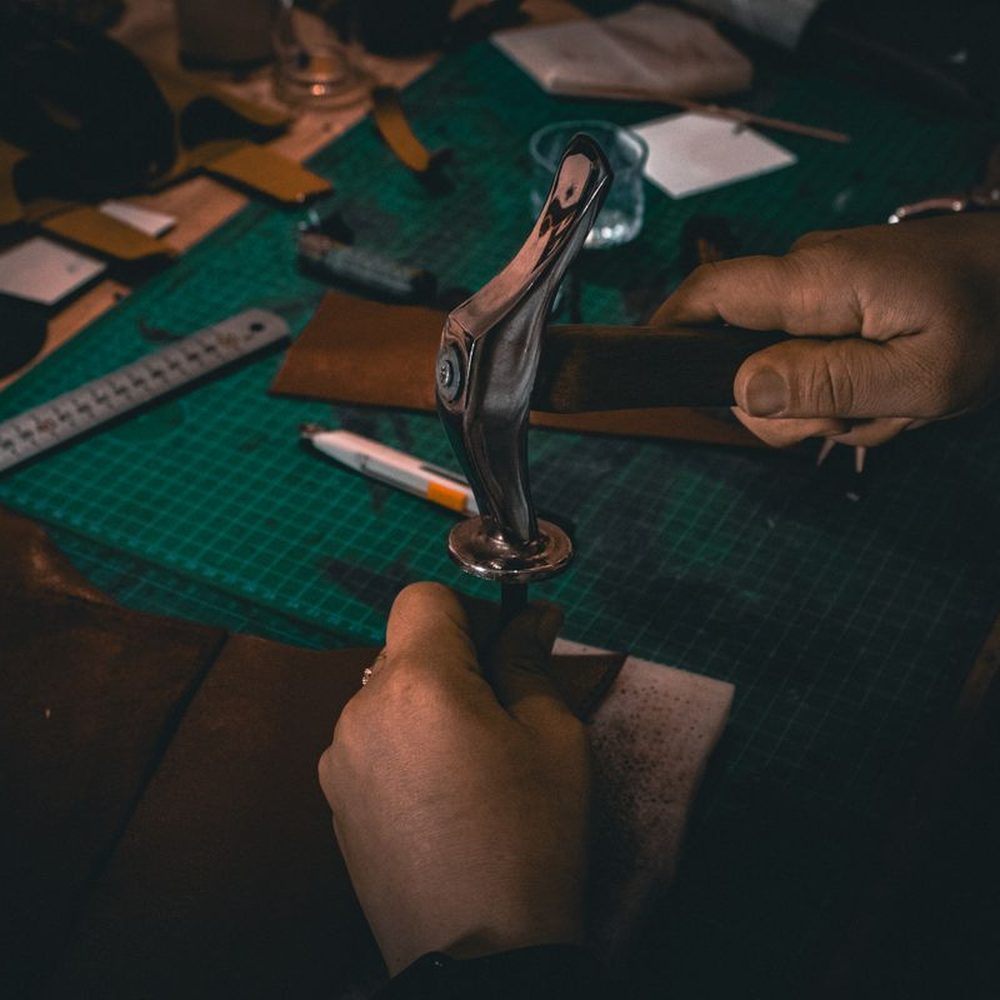
A big advantage of leather is repairability. A skilled cobbler can replace straps, restitch seams, and re-edge raw edges. Conditioning and patching delay the need for major repairs. For vegan leather, repairs are possible, but when the surface cracks or peels, fixing is more cosmetic than structural. If you buy a bag intending to keep it for years, choose solid construction first. Look for full seams, reinforced attachments, and quality hardware. We write about practical repair options and where to find local help in our journal, and you can always reach out directly with repair questions via our contact page.
Frequently asked questions
Which lasts longer, leather or vegan leather bags?
Are vegan leather bags easier to clean?
Do leather bags require special storage?
Can I repair a peeling vegan leather surface?
Where to go next
Choosing between leather vs vegan leather bags comes down to priorities. If you want a bag that develops character, can be repaired, and may last decades, high-quality leather is a dependable choice. If you prefer lower upfront cost, easier cleaning, or an animal-free material, select a high-grade vegan leather and inspect construction closely. Whatever material you choose, focus on construction, hardware, and how the bag fits into your daily routine. Explore our collections to compare materials and styles at our shop, read more on our process at our story, or reach out with questions via contact us. If you’re a retailer, please get in touch via contact us to discuss carrying our bags, and find stores that carry our bags at store locations.
Written by the Feel N Flow studio
Everyday handbags, chosen and shipped from Tucson, Arizona.