Handbags are more than containers, they are an investment in style and utility. Proper storage keeps leather supple, maintains shape, and prevents stains or mildew. Whether you own a single favorite tote or a closetful of evening clutches, a little care when you store handbags pays off in longevity and appearance.
This article walks through practical, craft-minded methods to store handbags properly at home and in transit. You’ll learn how to prepare bags for storage, what materials to use, how to arrange them on shelves and in closets, and how to handle special situations like straw bags, dyed interiors, and vintage pieces.
Why Storage Matters
Poor storage leads to creases, collapsed shapes, sticky linings, and faded colors. Leather dries out if left empty and unconditioned. Canvas and fabric bags can develop mold if stored in plastic, and straw or raffia loses structure if crushed. Simple, correct storage avoids these problems and reduces the need for repairs.
Thinking ahead also saves time. If bags are stored so you can see and access them, you will use them more. Rotating use prevents uneven wear. Good storage is both conservation and practical organization. It protects value and keeps your daily routine smoother.
Empty and Inspect
Before any storage, empty pockets and wipe interiors. Loose change, receipts, and crumbs attract pests and moisture. Turn linings inside out if the manufacturer recommends doing so, or use a lint roller for fabric interiors. For leather linings, a quick wipe with a soft, dry cloth helps remove dust and oils.
Take this time to inspect stitching, hardware, and seams. Note any stains, ink marks, or weak stitching that should be addressed before storage. If you see mold or active stains, clean or consult a professional before packing the bag away, because those problems will worsen in a closed environment.
Support Shape Correctly
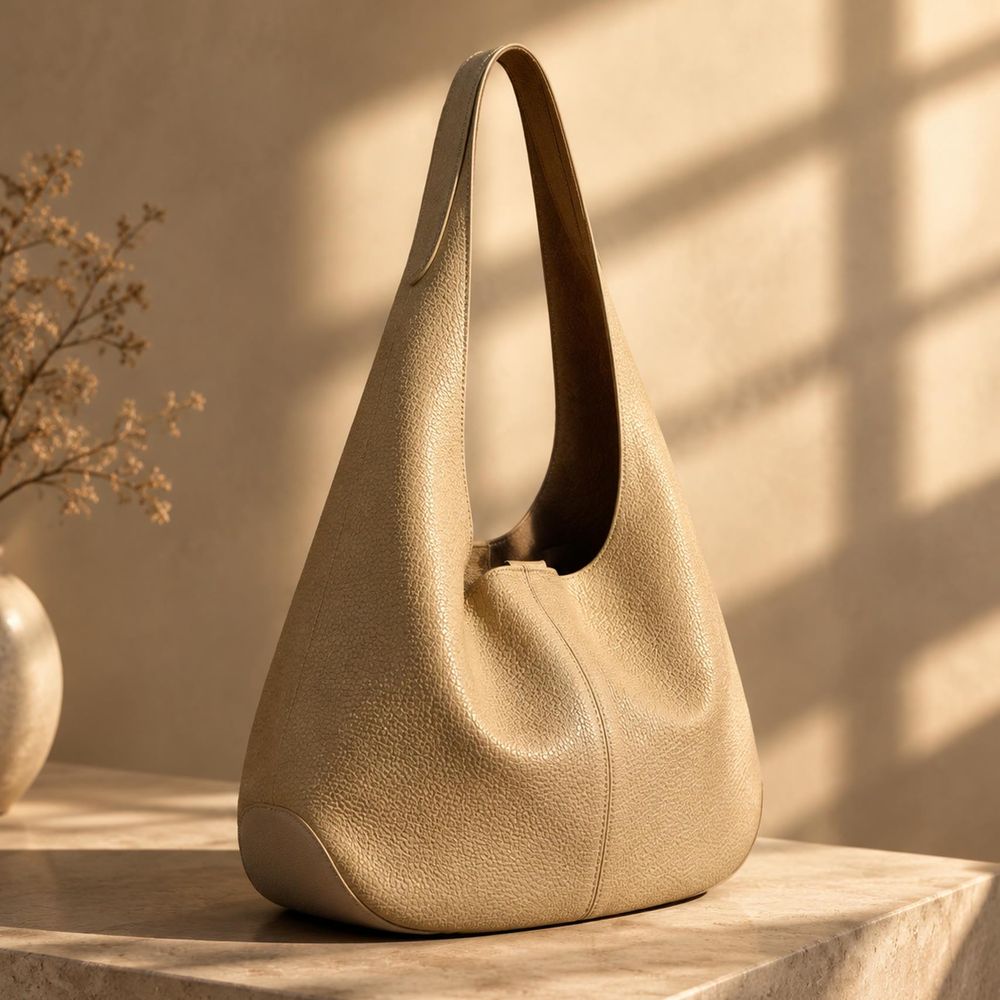
Most handbags need internal support to keep their silhouette. For small clutches and structured satchels, use cotton fabric or unprinted acid-free tissue paper rolled gently into sleeves and bodies. Avoid newspaper, since ink can transfer. For larger totes and hobo bags, stuff them so the base stays flat and handles remain upright.
Materials matter. Use breathable, pH-neutral fillers like cotton batting, unbleached muslin, or acid-free tissue. For delicate or vintage bags, a padded insert with a custom pattern keeps straps from folding and prevents pressure points on leather. Don't overstuff; the goal is support, not stretching.
- Small bags: tissue or fabric rolls inside main compartment
- Totes: base support and upright handles
- Avoid: plastic bags and newspaper
Choose the Right Materials
Never seal a bag inside non-breathable plastic for long periods. Plastic traps moisture and encourages mildew, and it can cause leather to sweat. Instead, use cotton dust bags or pillowcases for single-bag coverage. Acid-free storage boxes are ideal for long-term storage because they shield from light while allowing airflow.
For quick daily storage, a soft cloth bag is fine. For seasonal storage, choose archival boxes or breathable fabric sacks. Put a small sachet of silica gel inside to manage humidity. Replace silica packets every few months if you’re storing bags for a season or longer.
What To Avoid
Avoid airtight containers and plastic bags for more than a few days. Don’t use rubber bands directly on straps, or tight ties that press leather. Avoid storing bags near heat sources or direct sunlight, which fade dyes and dry out materials.
Shelf and Closet Strategies
Store handbags on open shelves when possible so they breathe and are visible. Arrange them by size and frequency of use, keeping everyday bags at eye level. If shelf space is limited, install shallow shelving or use stackable boxes with labels so you can rotate bags without digging.
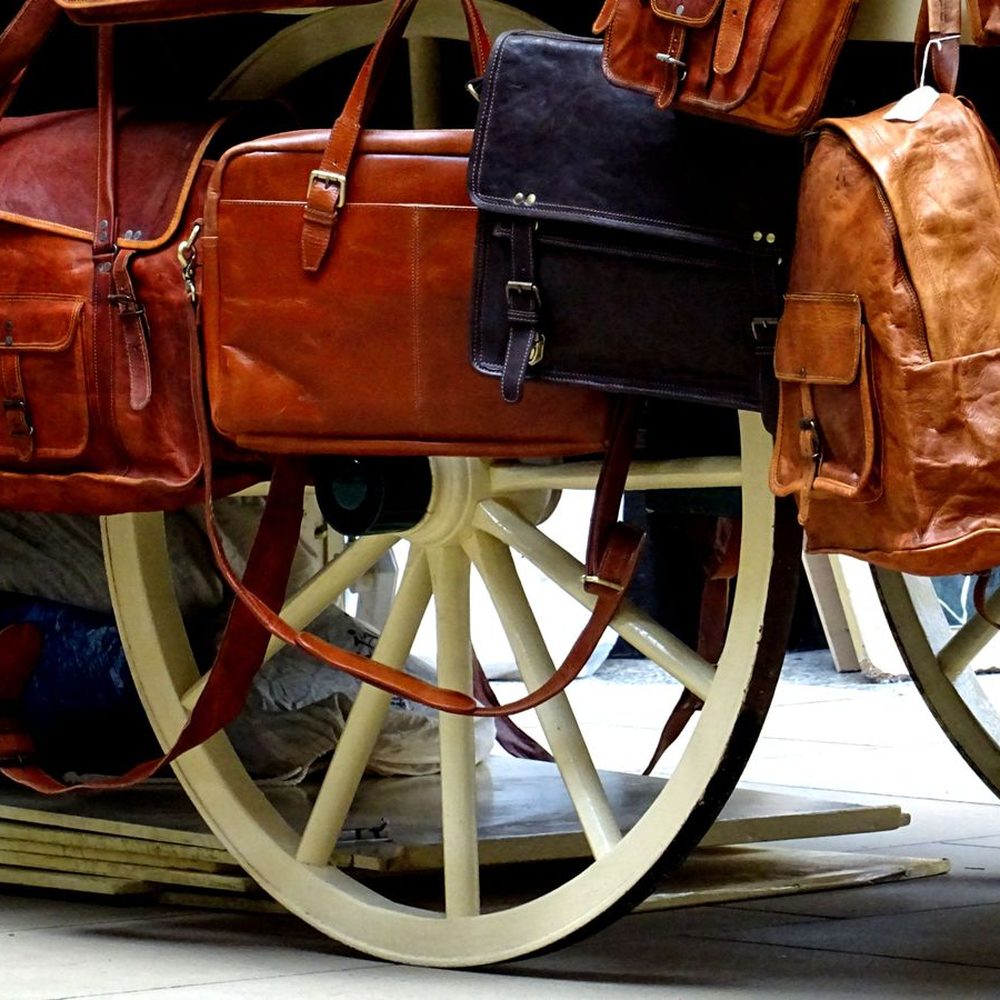
For closet rod storage, hang only small, lightweight bags by their straps using padded hangers. Heavy bags should never hang by one strap for extended periods, as this distorts the strap and stresses attachments. If hanging is your only option, loop a piece of muslin over the hanger to pad the strap and distribute weight evenly.
Using Boxes Effectively
When placing bags in boxes, store them upright whenever possible. For structured bags, place the base down and support the sides. Label each box with a photo or short description so you can find a specific bag without opening multiple boxes.
Handle Special Materials
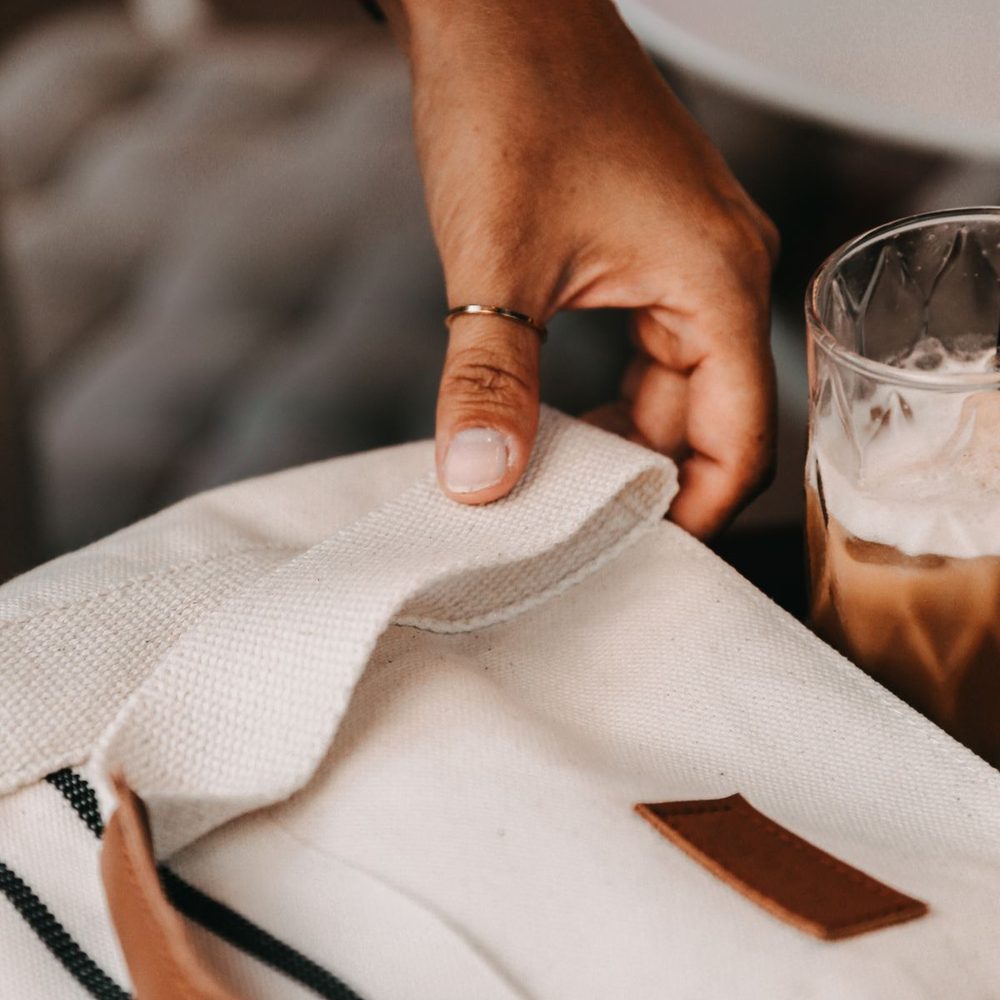
Leather, suede, canvas, straw, and embellished bags each need specific care. Leather benefits from a light condition before long storage, but avoid oils that darken the finish. Suede should be brushed clean and stored away from humidity. Canvas tolerates folding better than leather, but keep it clean and dry to prevent odors.
For straw, raffia, and wicker, store flat enough to prevent warping but not so tightly that fibers break. Embellished bags, sequins, and beading need loose packing so decorations do not press into the body of the bag. Use soft cotton padding around fragile details.
Stain and Odor Concerns
If a bag has an odor, let it air in a shaded, breezy spot for a few hours before packing. Light baking soda in an open container placed near the bag in a box can absorb smells. For stains, test a gentle cleaner on an inside seam or a hidden spot before treating the whole surface.
Rotate and Recheck
Rotate your collection every few months. Using a bag periodically keeps materials flexible and prevents permanent creasing from long-term pressure. This also gives you a chance to catch any issues early, like browning edges or weakened hardware.
Set a simple schedule, perhaps swapping out seasonal bags at the start of each season. If you live in a particularly humid or dry climate, check stored bags more frequently. Regular maintenance reduces the need for major repairs and keeps your collection ready to wear.
Travel and Short-Term Storage
When traveling, pack handbags inside your luggage in a way that maintains shape. Lay soft items like sweaters in the base of a tote to support it. For delicate or designer bags that will be checked, consider packing them in a carry-on with protective coverings and tissue to hold form.
Short-term storage like putting a bag away for a week between uses can be simple: wipe it clean, stuff lightly, and place in a breathable dust bag. Avoid tossing bags into cramped drawers or piled under heavier items. Thoughtful short-term care prevents long-term damage.
- Carry-on packing: padded dust bag and tissue support
- Checked luggage: avoid if possible, use hard case or protective wrap
When To Seek Professional Care
If you notice mold that spreads quickly, persistent odors, torn lining, or hardware that has corroded, consult a professional cleaner or leather specialist. Attempting heavy cleaning at home can make some stains worse or alter color. A pro can safely address structural repairs and high-value pieces.
For vintage pieces with fragile finishes, professional conservation preserves value and avoids irreversible damage. Ask for references and examples of similar work before committing, and get a written estimate of what will be restored versus what may remain unchanged.
Frequently asked questions
Can I store handbags in plastic bins?
How do I prevent color transfer between handbags?
How often should I rotate stored handbags?
What filler is best for structured bags?
Where to go next
Properly storing handbags is a small practice that yields big returns, preserving beauty and function for years. With the right materials and a little routine, you can prevent common issues like mildew, warping, and stains, and keep your collection ready to use. If you want practical storage solutions or need advice about a specific bag, our team is happy to help. Browse our selection for thoughtfully designed, easily storable pieces at our shop, learn more about our story at our story, find stockists at our stores, or contact us directly via our contact page. For trade or bulk inquiries, please contact us, and for care guides, check our blog.
Written by the Feel N Flow studio
Everyday handbags, chosen and shipped from Tucson, Arizona.