Straps take the brunt of everyday life. They carry weight, rub against clothing, and weather sun and rain. Left unchecked, strap edges thin, stitches loosen, hardware corrodes, and the bag you love becomes uncomfortable to wear.
This article walks through practical ways to stop strap wear before it starts and how to fix early damage. We cover material choices, daily handling, cleaning, protective accessories, storage, and basic repairs so you can keep straps comfortable and functional for years.
Understand The Causes
Before treating strap wear, it helps to know how it develops. Friction is the most common cause, from rubbing against your shoulder, jacket seams, or table edges. Overloading the bag multiplies stress on the seams and the strap core, speeding up stretching and abrasion.
Environmental factors also matter. Direct sun fades and dries leather and some synthetics, while moisture can soften glues and encourage hardware rust. Salt from perspiration or coastal air can break down finishes. Recognizing the causes makes it easier to change habits that accelerate wear.
Pick Durable Materials
Not all straps are made equal. Full-grain leather and tightly woven nylon webbing are among the most durable everyday choices. Full-grain leather retains its natural surface and has stronger fibers than corrected-grain or bonded leathers, so it resists cracking and edge fray for longer.
If you prefer vegan options, look for high-density polyurethane-coated fabrics rather than thin PVC. Hardware matters too; solid brass or stainless steel rings and buckles hold up better than plated alloys, which can flake and expose rough metal that abrades strap holes.
Handle Straps Smartly
Small changes in how you carry a bag dramatically reduce wear. Avoid slinging a heavy bag over one shoulder all day. Switch shoulders periodically and use the handles when you can. When sitting, set your bag on your lap instead of the floor; this saves the strap from catching on chair edges.
If your bag has a detachable strap, unclip it before dropping the bag into overhead bins or the trunk. This prevents sudden tugs on the hardware and distributes stress to the bag body where it’s safer.
Limit Overloading
Every strap has a practical load limit, even if it’s not printed on a tag. Heavy items like water bottles, laptops, and large toiletry kits concentrate force near the strap attachments. Use internal organizers to distribute weight and store bulky items at the base of the bag, not hanging from the straps.
If you regularly carry heavy loads, consider a bag with reinforced straps and a wider surface area. Wider straps spread weight across more shoulder surface, lowering pressure points and reducing the rate of abrasion.
Clean And Condition
Dirt and oils accelerate wear by breaking down finishes and fibers. Clean straps regularly according to their material. For most leather straps, wipe with a dry, soft cloth after use and apply a leather conditioner every few months. Use products formulated for full-grain leather, avoiding heavy oils that can darken light finishes.
Fabric and webbing straps benefit from spot cleaning with mild soap and water. Rinse gently, blot with a towel, and air dry away from direct sun. For straps with metal hardware, wipe hardware dry after exposure to moisture to prevent corrosion.
- Leather: soft cloth, leather conditioner sparingly
- Nylon/webbing: mild soap, rinse, air dry
- Hardware: dry immediately to avoid rust
Use Protective Accessories
A few inexpensive accessories prevent much damage. Strap sleeves, made from leather or neoprene, slide over the area that rests on the shoulder to reduce friction and absorb sweat. Clear adhesive protectors, similar to those used on guitar straps, guard strap edges from rubbing against coat seams or bag openings.
For daily commuting, a removable shoulder pad beneath the strap reduces direct wear on the strap itself and makes carrying heavy loads more comfortable. When traveling, wrap delicate straps in a soft cloth or the bag’s dust cover to prevent tangling and abrasion in luggage.
- Neoprene or leather shoulder pads
- Adhesive edge protectors
- Dust cover or soft cloth for travel
Store Straps Properly
How you store a bag affects strap lifespan. Hang bags by their handles on wide, padded hooks only if the bag's structure supports it; narrow hooks can deform straps. Better yet, lay bags flat in a closet shelf or upright on a shelf to avoid long-term weight on a single strap.
For long-term storage, stuff the bag with tissue or soft fabric to support the body, then loosen or unclip straps so they rest without pressure on attachment points. Keep bags in a cool, dry place away from direct sunlight. If you have multiple bags, rotate them regularly to avoid a single bag accumulating disproportionate wear.
Repair Early Damage
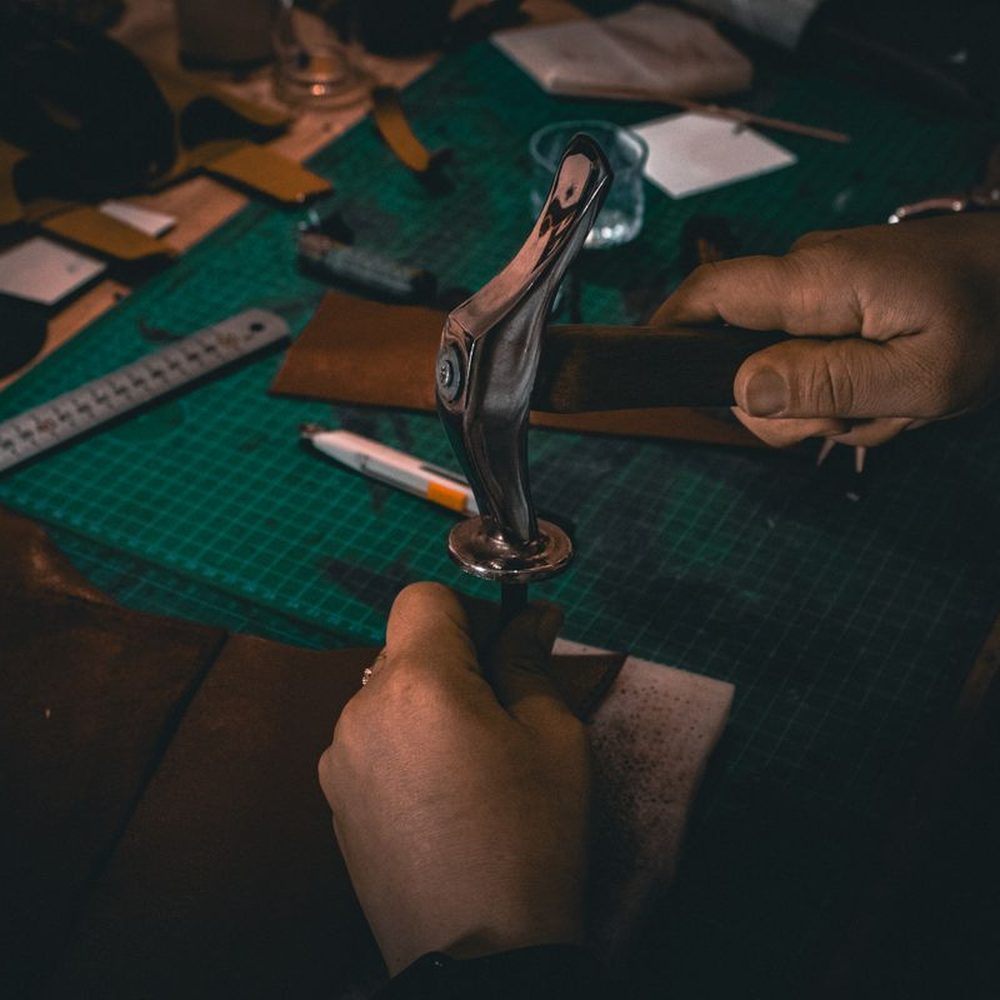
Addressing small problems early saves a strap. If edge paint on leather begins to flake, smooth the area with fine-grit sandpaper and touch up with edge paint or a colored leather finish. For seam loosening, a reinforced stitch or saddle-stitch repair from a cobbler will outlast quick machine stitches.
If hardware is starting to corrode or the D-rings are thinning, replace the hardware before it fails and tears the strap. Small repairs can be done at a local repair shop, or you can learn basic fixes like replacing rivets and changing buckles with the right tools.
DIY Edge Touch-Ups
Clean the strap edge, lightly sand to remove loose finish, and apply a thin layer of edge paint with a small brush. Let it cure fully and add a second coat if needed. A topcoat adds water resistance and reduces future flaking.
When To See A Pro
Take your bag to a trained leatherworker or cobbler if the strap core is exposed, major stitching has failed, or the attachment point is torn. Professionals can rebuild a strap with new core material and reinforced stitching for a long-lasting fix.
Design For Longevity
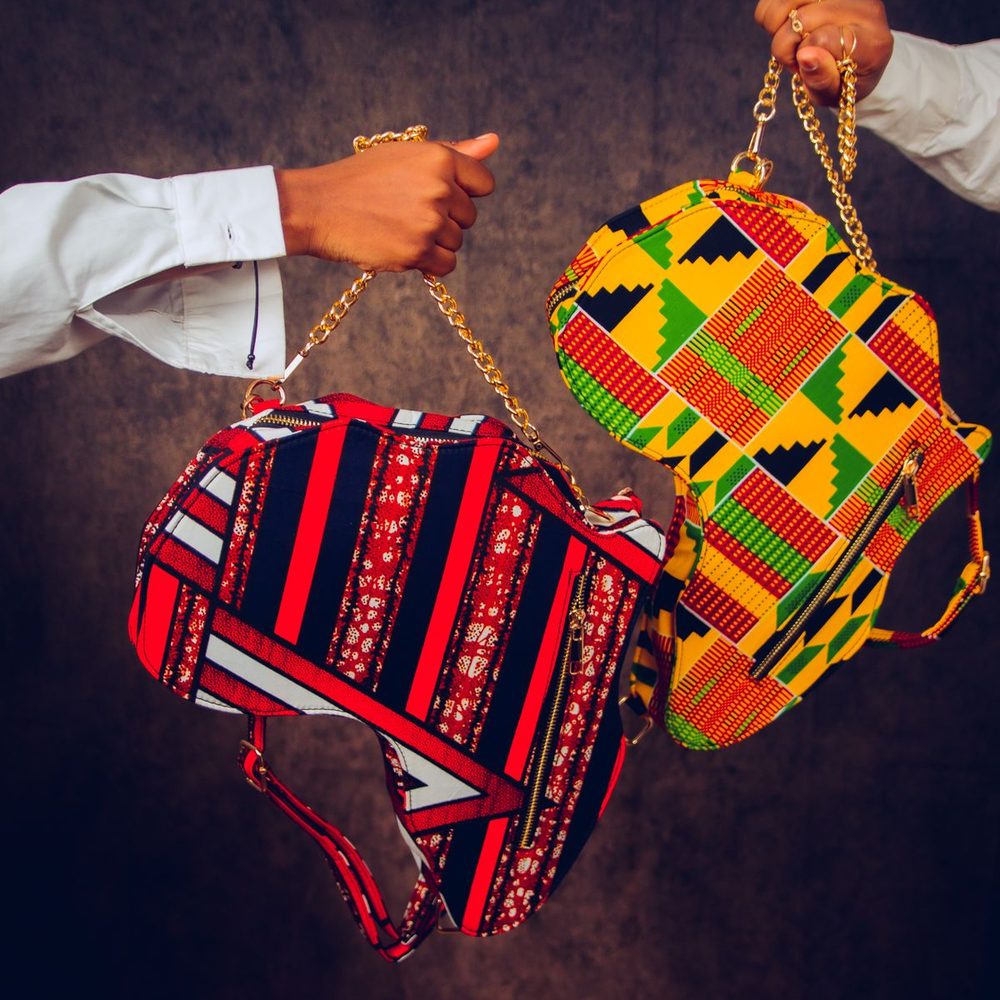
If you’re buying a new bag, choose designs with reinforced attachment points, wide straps, and easily replaceable hardware. Look for riveted or double-stitched strap bases and interior reinforcement like a leather or fabric backer. These small design decisions reduce concentrated stress at the connection points.
For boutique owners or wholesale buyers, think about offering optional strap upgrades, like padded leather or webbing replacements. Customers appreciate transparent care guidance and available replacement parts, which keeps bags in service longer and reduces returns.
Wholesale Considerations
If you carry our bags in your shop or source them for resale, offer customers a care card and strap upgrade options at purchase. Clear instructions increase satisfaction and reduce post-sale complaints. Visit /contact to request more info or a sample, or reach out if you have questions about materials.
Frequently asked questions
How often should I condition leather straps?
Can I machine-wash a fabric strap?
Are strap protectors visible on the shoulder?
When is a strap beyond repair?
Where to go next
Preventing bag strap wear takes a mix of good habits, suitable materials, and prompt fixes. Small investments—wider straps, a shoulder pad, or a quick repair—pay off by keeping a favorite bag comfortable and reliable. If you want replacement straps, care guides, or sample materials, browse our shop, read more tips in the journal, or contact us for repair questions or trade inquiries. Find more resources at our shop, explore care topics at our blog, learn about our process at our story, check shipping and handling tips at shipping info, or reach out through our contact page for trade inquiries.

Written by the Feel N Flow studio
Everyday handbags, chosen and shipped from Tucson, Arizona.