A well-organized handbag saves time, reduces stress, and protects the things you carry every day. Whether you switch bags often or keep a single go-to tote, a few intentional habits and the right tools will make finding your keys or lip balm fast and dependable.
This guide walks through realistic steps to organize your handbag, from choosing the right interior layout to building a daily dump-and-reset routine. You’ll find specific product suggestions, measurements to look for, and packing templates for common needs like work, errands, and travel.
Start With Emptying
Before you rearrange anything, empty your bag completely. Lay items out on a clean surface and group them into categories like essentials, nonessentials, trash, and items that belong elsewhere. This gives you a literal inventory of what you actually carry, not what you think you do.
As you sort, toss obvious trash and move things that belong in another room to a small “return” pile. Notice duplicates, expired cosmetics, and cords you never use. Getting honest about what stays makes the next steps faster and prevents recurring clutter.
Choose A Layout
Every bag has an internal logic. Small crossbodies need a different plan than an open tote. Identify zones: immediate-access, secure, and padded. Immediate-access is for your phone, keys, and lip balm. Secure is for wallet and important papers. Padded or enclosed space is for sunglasses or electronics.
Measure the largest item you want to carry, like a tablet or notebook, before you plan. Note pocket depth and closure type, because items will shift differently in a zippered bag than in an open one. This practical survey prevents overpacking and helps you pick the right organizers.
Use Organizers Wisely
A single insert can transform an overstuffed bag. Pick an organizer that fits your bag’s base and keeps items upright. Soft inserts with pockets work well for structured totes, while lightweight pouches are better for slouchy bags. If you switch bags often, choose organizers that can be lifted out and transferred in one motion.
Consider materials: nylon or wipeable lining is easy to clean, felt is lightweight and protects leather, and leather organizers match dressier bags. Size matters more than style. An organizer that is too small will contribute to clutter, while one that’s too large will create wasted space.
- Measure bag interior: length, width, depth
- Choose an organizer with 2–6 compartments
- Pick wipeable fabrics for cosmetics and snacks
Insert Vs Pouches
Inserts divide the whole bag and keep items upright. Pouches are handy for grouping small things inside an insert or alone. If you carry a lot of chargers and cables, a single electronics pouch prevents tangles. Use a small zipper pouch for loose change or emergency cash, so it doesn’t scatter.
Pack By Purpose
Create packing templates based on how you use your bag. A ‘daily errands’ template might include wallet, phone, keys, sunglasses, compact umbrella, and a snack. A ‘work’ template adds a notebook, pen pouch, and a small laptop charger. Store these templates mentally or as small labeled pouches you can swap into your bag.
Label pouches if it helps you switch quickly. For example, keep a clear pouch labeled ‘gym’ with earbuds and a hair tie, and a ‘kid’ pouch with snacks and a small activity. Over time these templates become muscle memory and make transitions efficient.
- Daily: phone, wallet, keys, lip balm, sunglasses
- Work: notebook, pen, power bank, badge
- Evening: small wallet, lipstick, compact mirror
Control Loose Small Items
Loose items become the main source of handbag chaos. Keep coins, receipts, and tiny cosmetics in dedicated small zip pouches. Transparent pouches make it easy to find a specific charging cable or badge pass quickly without rummaging.
Use a ring key fob or carabiner clipped to an interior D-ring or a zipped pocket. That single motion of clipping keys in place reduces time spent digging and keeps metal from scratching your phone or sunglasses.
Protect Fragile Items
Sunglasses, tech, and delicate cosmetics need a buffer. A hard case for sunglasses and a padded sleeve for tablets or small laptops prevents damage and keeps shape. If a padded sleeve won’t fit, wrap fragile items in a soft pouch or a folded scarf to add cushion and double as a style element.
Position fragile items against the bag walls rather than the bottom, where pressure from other items can cause damage. Keep liquids upright in sealed pouches so leaks don’t ruin papers or leather interiors.
Handling Liquids
Transfer liquids like hand lotion or sunscreen to travel bottles with tight seals if you change bags often. Use clear toiletry bags for makeup so you can spot stains or spills immediately and remove the pouch for cleaning when needed.
Set A Daily Reset
A two-minute end-of-day reset prevents accumulation. Remove trash, wipe out crumbs, return stray items to their ‘home,’ and restock essentials. If you empty a tote into a laundry basket at the end of the week, it’s a great time to wash inserts and evaluate what you carried.
For frequent bag swappers, keep a small grab-and-go kit with essentials like lip balm, a compact wallet, and keys in a tiny pouch. That way a quick swap is actually quick, and you won’t end up improvising with whatever is on the kitchen counter.
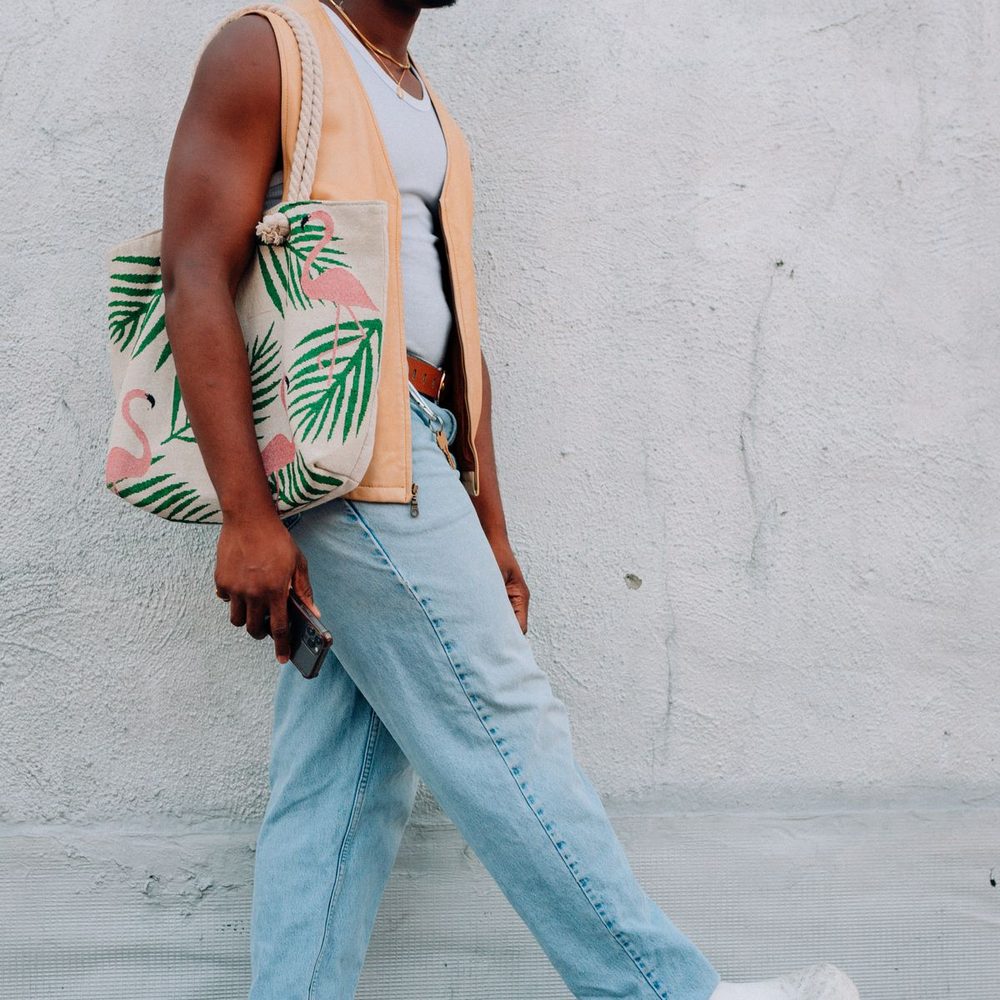
Shop With Purpose
When you’re choosing a new bag, think about how you want to organize before you buy. Look for interior pockets placed near the top for easy access, and a zipped central compartment if you carry important documents. If you buy online, check interior measurements in addition to exterior ones.
Feel N Flow designs focus on thoughtful pocket placement and durable materials, meant to make organization simple. Browse styles and interior layouts on our shop page to compare pockets and sizes, and read product notes for recommended organizers. If you sell wholesale or stock curated picks, see our wholesale information for grouping efficient bag sets for customers.
Frequently asked questions
How often should I clean out my handbag?
What organizers work for small crossbody bags?
Can I use the same system for work and weekend bags?
How do I prevent my bag from smelling musty?
Where to go next
A little planning goes a long way. By emptying your bag, choosing the right organizer, and establishing a quick reset routine, you’ll free up time and reduce the small daily frictions that add up.
If you want examples of interior layouts or recommended organizers for a specific Feel N Flow style, visit our shop and journal for more tips. If you're interested in carrying our styles in your store or have questions about wholesale, contact us directly via /contact.
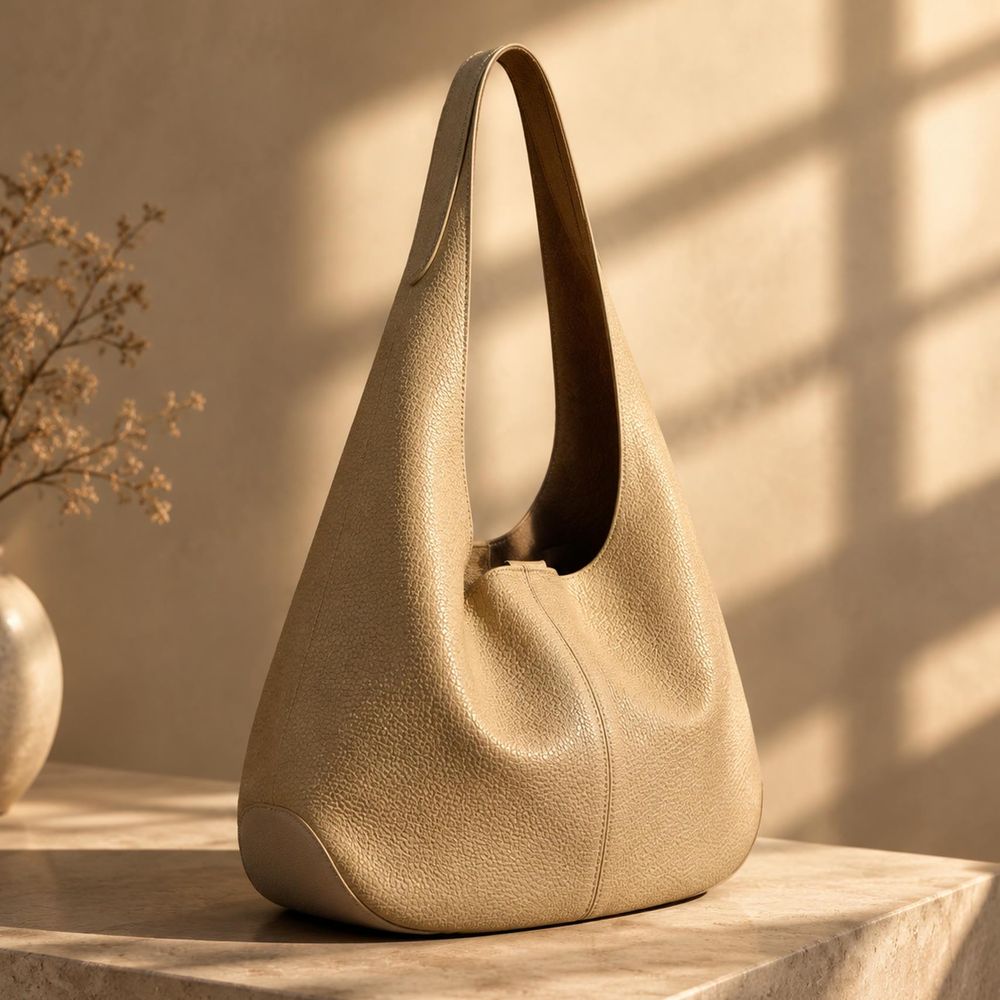
Written by the Feel N Flow studio
Everyday handbags, chosen and shipped from Tucson, Arizona.