Knowing the correct handbag measurements makes buying and styling bags easier. Whether you’re comparing styles online, listing a bag for resale, or fitting a tote under an airplane seat, a few clear measurements remove the guesswork and prevent surprises.
This guide covers the essential dimensions, tools you need, how to measure different bag shapes, and the small details that change real-world fit. We include practical examples you can use when shopping, photographing, or buying wholesale, and we point to resources to help you explore our collections and stock for stores.
Why Measurements Matter
Handbag measurements tell you how a bag performs in daily life. Two bags listed as "medium" can be very different. One might be wide and shallow, the other narrow and deep. Without numbers, you’re left guessing how much will actually fit.
Accurate dimensions help with shopping and resale. They let you compare pockets, determine if a laptop or water bottle will fit, and plan how a bag will sit on your shoulder or under your arm. For boutiques and buyers, precise measurements are essential for listings and wholesale decisions, and they reduce returns.
Tools You’ll Need
You don’t need anything fancy. A soft fabric tape measure is ideal because it conforms to curves and corners. A ruler or a metal tape can work for flat-bottom bags. Have a flat surface, good light, and a notebook or phone to record numbers.
If you photograph measurements for online listings, use a clean background and include a common object like a water bottle for scale. For international buyers, measure in inches and centimeters. A simple conversion chart or phone app helps keep both units available.
- Soft tape measure (flexible)
- Flat surface or table
- Phone or camera for photos
- Notebook or spreadsheet
Core Dimensions To Take
There are three core handbag measurements: length (sometimes called width), height, and depth. Length is measured across the front, from one side to the other. Height is the distance from the bottom of the bag to the highest point of the body—exclude dangling straps unless they’re permanently attached and part of the design.
Depth, often called the gusset or width depending on the brand, is the measurement from front to back at the bag’s base. These three numbers give the best quick sense of capacity and footprint. Note whether measurements are taken with the bag empty or partially filled; an empty leather bag might relax or stiffen depending on construction.
How To Measure Length
Lay the bag flat on its back and stretch the front so it’s not sagging. Measure from the outside edge on the left to the outside edge on the right along the top of the body. For bags with flaps, measure the body underneath the flap unless the flap changes the usable opening.
How To Measure Height
Stand the bag upright on a flat surface and measure from the bottom center to the top edge of the body. If the bag has a structured base, measure from the top of the base; for soft bottoms, press gently so the bag sits naturally and measure from that point.

Measuring Straps And Handles
Strap length and drop are critical to how a bag wears. There are two common measurements: total strap length and drop. Total strap length is the full length of the strap laid flat from end to end. Drop is the usable distance from the top of the bag to the highest point of the strap when worn.
For shoulder bags, measure the drop from the top edge to the middle of the strap. For crossbody straps that are removable or adjustable, indicate the shortest and longest drop. If straps attach with hardware, measure to the attachment point because clips and rings add to the usable length.
- Total length: end-to-end when laid flat
- Drop: top of bag to middle of strap when worn
- Record min and max for adjustable straps
Fit And Capacity Details
Beyond raw dimensions, call out practical fit points. Note the size of the opening, any internal pocket measurements, and the number of compartments. If a bag has a zippered closure versus an open top, explain how that affects what fits—rigid items may need a wider opening.
For work bags, list the laptop or tablet size that fits comfortably, measured diagonally across the device and compared to internal dimensions. For travel or everyday totes, mention whether a standard 32-ounce water bottle stands upright, and whether a folded sweater fits easily without bulging the seams.
Internal Pockets
Measure internal pockets across and down. For slip pockets, measure at the widest point and note whether they’re deep enough for a phone. For zip pockets, measure the opening; a narrow opening can prevent a wallet from fitting cleanly.
Measuring Different Shapes
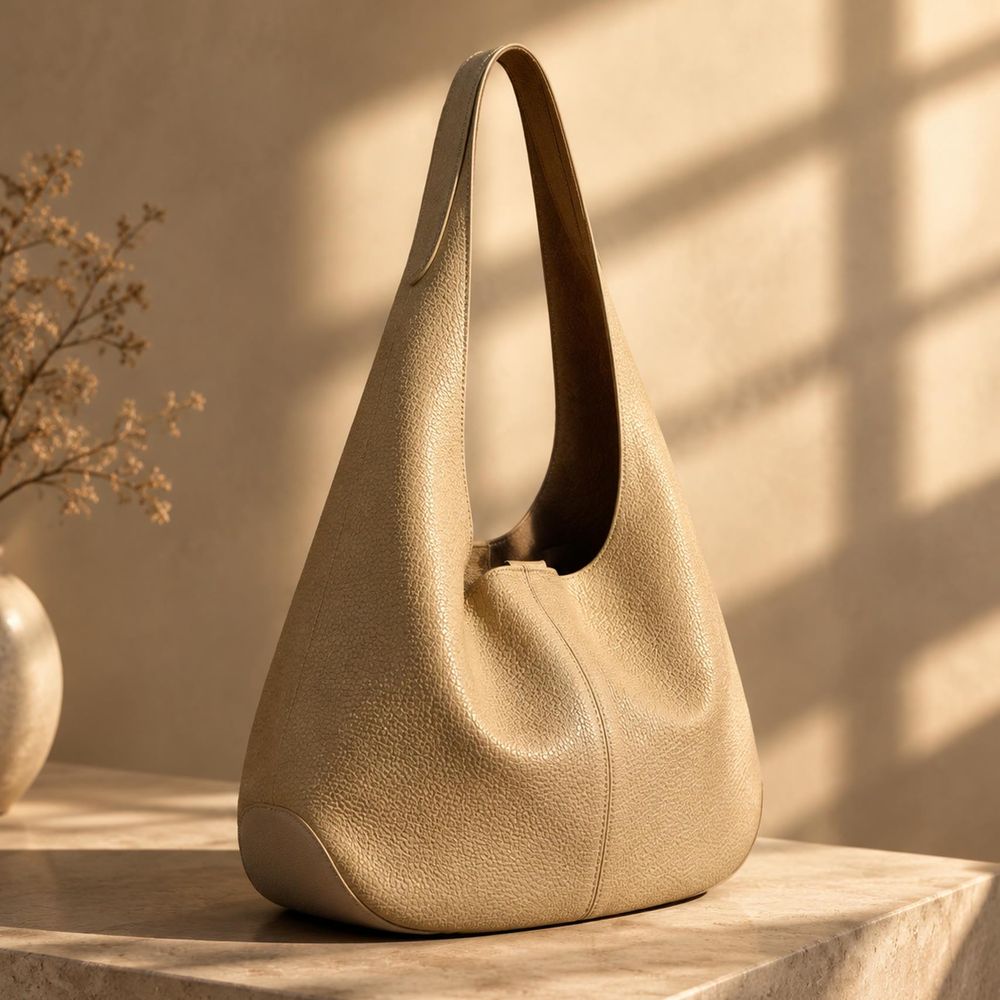
Structured satchels, slouchy hobo bags, bucket bags, and backpacks all need slight adjustments. For a slouchy bag, measure with a gentle fill like a towel so the bag keeps its natural curve. For a bucket bag, measure both at the top opening and at the base, and record both numbers because tapering matters.
Backpacks are measured across the back panel and from the top of the back to the bottom of the base. For rounded or triangular shapes, take two length measurements—widest and narrowest—and note them both. This gives shoppers a fuller sense of how the bag looks from different angles.
Bucket And Drawstring Bags
Measure the top opening diameter and the base diameter separately. Record the height from base to top when the drawstring is both open and pulled closed, because the usable height changes significantly.
Recording And Presenting Numbers
Use a consistent format when you record handbag measurements. A common and clear format is Length x Height x Depth (in inches), followed by strap drop and any internal pocket sizes. Example, 12" L x 9" H x 5" D, strap drop 9". Include both inches and centimeters for wider reach.
If you’re writing descriptions for a boutique or online listing, add short notes explaining how those numbers translate to everyday use. Instead of just 12" L x 9" H, say, "Fits a small tablet, wallet, keys, and sunglasses without crowding." That practical line reduces returns and helps customers picture their life with the bag.
Common Measurement Mistakes
The most common mistakes are measuring straps from clip to clip, or including decorative elements as part of the bag body. Measure to the point where the strap attaches to the bag, and measure the bag body separately. Avoid stretching or compressing the material; let the bag sit naturally or use a gentle fill.
Another error is measuring only one axis for tapered bags. If a bag tapers, list both the widest and narrowest measurements so buyers get a realistic sense of capacity. Finally, forget to note whether measurements are taken with the bag empty or with a mild fill, and that difference can confuse shoppers.
- Don’t include dangling hardware in body measurements
- Measure attachment points for strap length
- Record whether measurements are taken empty or filled
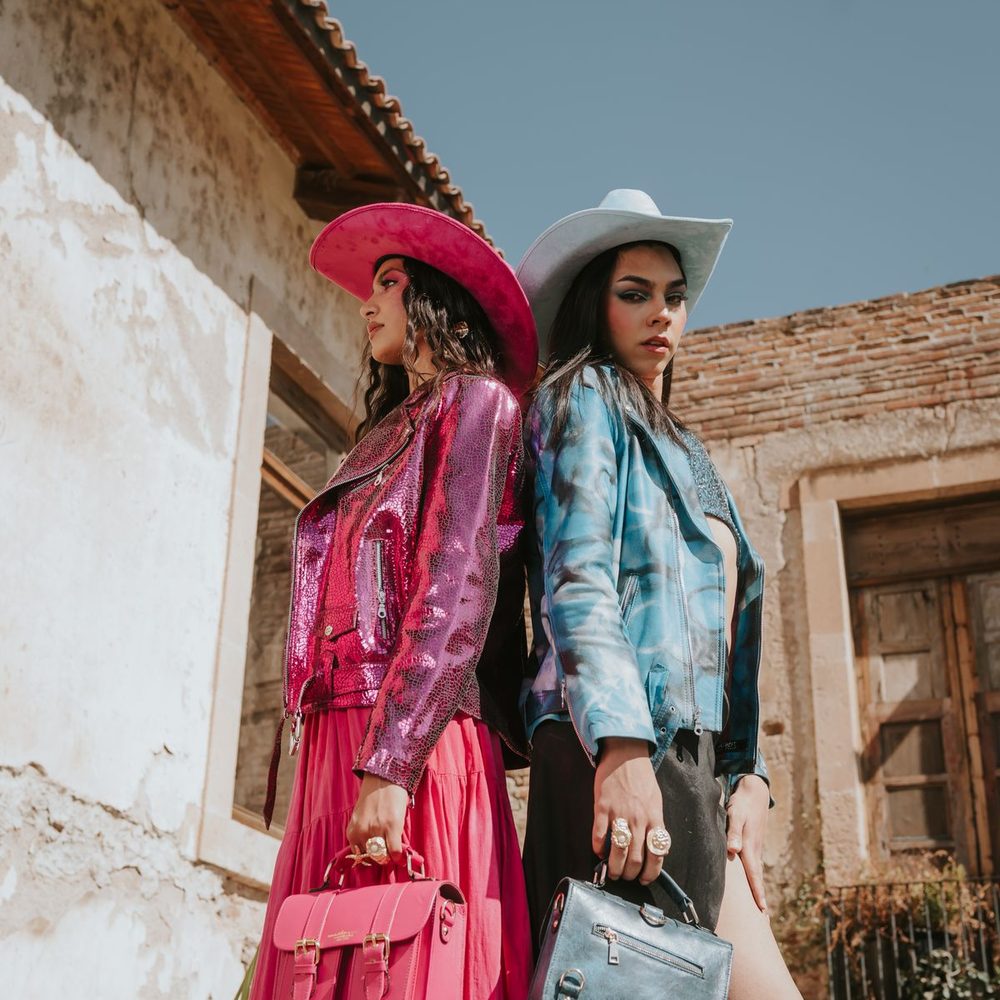
Tips For Wholesale And Photography
Boutiques buying wholesale want precise handbag measurements to plan inventory and merchandising. When you submit product data to wholesale marketplaces, include a small measurement diagram or a photo with a tape measure visible. That level of transparency accelerates buying decisions and builds trust.
For product photography, show the bag with a standard object for scale and provide at least one lifestyle image that demonstrates how it sits on the body. If you sell on multiple channels, maintain a single source of truth for measurements so descriptions stay consistent across platforms like your shop and wholesale listings.
Packaging And Shipping Notes
Record packed dimensions too, especially for bulky packaging. That helps wholesale buyers calculate shipping costs and shelf planograms. If a bag compresses easily, note whether it ships flat or in a box, because unpacking can temporarily alter the bag's shape.
Frequently asked questions
Should I measure a bag while empty or filled?
How do I convert inches to centimeters easily?
Do chain straps affect measurement?
What if a bag has an irregular shape?
Where to go next
Good measurements make every bag easier to understand, style, and sell. When you take a few extra minutes to record clear, consistent dimensions, you help customers buy with confidence and reduce returns.
If you’re stocking a boutique or shopping for a new everyday bag, we’re happy to help with measurements and photos. Explore our collections or reach out for wholesale information on our contact page, or browse bags in the shop to see example dimensions and photos. For questions, contact us anytime.
Written by the Feel N Flow studio
Everyday handbags, chosen and shipped from Tucson, Arizona.