An everyday tote bag should do more than carry things. It should simplify mornings, protect your essentials, and age with quiet dignity. The right tote becomes a small, reliable habit: the bag you reach for without thinking, the one that fits your routine and holds up to wear.
This guide walks through the decisions that matter—size, material, strap comfort, organization, and maintenance—so you can choose a tote that actually makes daily life easier. We’ll also include practical specs, quick shopping checks, and notes for boutique buyers and wholesale partners.
Decide What You Carry
Start by listing the items you actually carry every day. Is it a laptop, water bottle, and a notebook? Or phone, wallet, keys, and a light jacket? The contents determine both size and structure. A 13" laptop requires a different internal compartment than a tablet or none at all.
Measure the largest item and add an inch or two for ease. For example, a slim 13" laptop is about 12.5" wide; a tote with a 13.5" interior width gives a comfortable fit. If you swap between devices, plan for the bigger size. Don’t forget non-tech items—insulated bottles need extra width and structured bases prefer flat-bottomed bags.
Choose the Right Size
Tote bags commonly come in small, medium, and large. Small totes (10–12" wide) are good for running errands and minimalists. Medium (13–15" wide) fit a laptop, lunch, and everyday extras. Large totes (16"+ wide) are better for parents, commuters, or people who carry work supplies plus personal items.
Think about depth and height as well. A 4–6" gusset gives structure without bulk. Height around 12–14" keeps contents from spilling while staying easy to reach. If you plan to carry a lot, look for reinforced bottoms or removable inserts to protect the bag’s shape.
- Small: 10–12" wide, light daily use
- Medium: 13–15" wide, laptop-friendly
- Large: 16"+ wide, for heavy loads
Material Matters
Material determines weight, durability, and how the tote will age. Canvas is lightweight, easy to clean, and takes dye well, but raw canvas can stain unless treated. Full-grain leather breaks in beautifully and gains character, but it adds weight and requires more care. Vegetable-tanned leather will patina over time; bonded or coated leathers can resist spills but may flake with heavy use.
Technical fabrics like nylon and waxed cotton blend water resistance with low weight. Waxed cotton repels light rain and sands easily, but the finish can wear in high-contact areas. If you want something low maintenance, a coated canvas or nylon base is practical. For a boutique or wholesale pick, offer a mix: one premium leather style and one washable canvas option to cover customer preferences.
Durability And Hardware
Look at stitching, bar-tacks at stress points, and the hardware quality. Metal D-rings and rivets carry more weight than plastic clips. Reinforced handles with box-stitching or rivets prolong life. Zippers should be at least YKK or equivalent; chunky coil zippers resist sand and grit better than tiny teeth.
Lining And Interior Fabric
A full lining protects the shell and helps the bag hold shape. Cotton canvas linings are breathable and repairable. Synthetic linings resist stains and are easier to wipe clean. Consider a water-resistant lining if customers will carry wet items like umbrellas or gym clothes.
Organization And Access
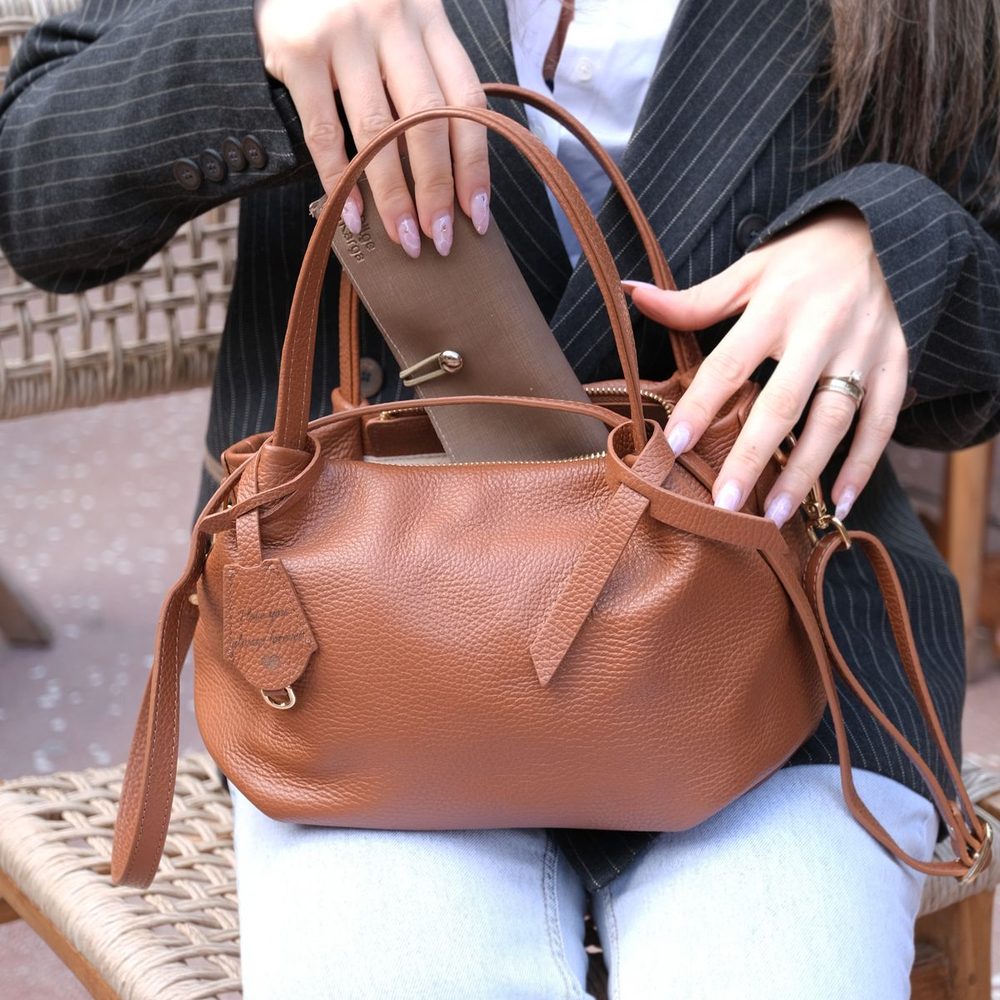
Think about how you want to access items. A single open compartment is fast and flexible but can feel like a black hole. Internal pockets—one zip pocket for valuables, two slip pockets for phone and keys, and a padded laptop sleeve—balance accessibility with tidiness. External pockets are useful for items you grab often, like transit cards or sunglasses.
Closures matter too. A full zipper secures everything but can be slower to open. A magnetic snap is quick but won’t stop liquids from spilling out. For commuters, a zip-top tote with quick-access exterior pocket is often ideal.
- Essential pockets: zip pocket, phone slip, key leash
- Optional: padded laptop sleeve, external water bottle pocket
Strap Comfort And Carry Options
Straps make or break comfort. Thin straps dig into the shoulder when the bag is heavy. Look for straps at least 1" to 1.25" wide, and wider if you often carry heavy loads. Padding adds comfort, but a well-shaped leather strap can also distribute weight effectively.
Consider length and carry styles. For hands-free commuting, a longer shoulder strap or crossbody strap helps. Tote straps that fall at the elbow with a drop of 8–10" suit most body types. Adjustable straps increase versatility and make the bag comfortable across seasons and clothing thicknesses.
Top Handles Versus Crossbody
Top handles are classic and convenient for quick grab-and-go. Crossbody straps free your hands and stabilize the load on public transit. If a tote has both, ensure the hardware and anchor points for the crossbody strap are robust and balanced so the bag doesn’t sag awkwardly.
Style And Color Choices
Style should reflect how you live, not fleeting trends. Neutral colors—black, tan, navy, olive—work across outfits and seasons. If you prefer statement pieces, pick one colorful tote and keep the rest neutral. Texture also influences perception: smooth leather reads dressier, while distressed leather or waxed canvas looks casual.
When buying multiple totes or curating for a shop, balance timeless styles with one seasonal accent piece. Offer both a work-ready option with a laptop sleeve and a casual market tote with an open top for easy shopping and quick access.
Care And Longevity
Simple care extends a tote’s life. For canvas, spot-clean with mild detergent and air dry. For waxed fabrics, reapply wax sparingly to revive water repellency. For leather, wipe with a damp cloth, use a pH-balanced leather cleaner periodically, and condition only when the leather looks dry. Avoid over-conditioning, which can soften structure.
Store totes upright or flat, not folded, to preserve shape. Use packing tissue or a breathable dust bag when storing long-term. Small repairs—replacing a zipper pull, restitching a handle—are often cheaper than replacing the bag. If you’re buying wholesale for a boutique, include care instructions with each style to increase customer satisfaction and reduce returns.
Quick Repair Tips
Reinforce loose stitching with needle and heavy thread. For small leather scuffs, a matching polish or cream can blend the mark. For torn seams, an experienced cobbler can extend a tote’s life for a fraction of the price of a new bag.
Wholesale And Budget Considerations
If you’re a boutique buyer or someone considering multiple totes, calculate price per wear not just sticker price. A $150 tote that you use daily for three years is often a better value than a $60 bag that falls apart after one season. Factor in your target customer when ordering wholesale quantities. Offer a core neutral that will sell steadily, and a smaller run of trend colors. If you're buying for your shop, confirm minimum order quantities, lead times, and sample policies before placing an order. Ask for material swatches and a tech pack showing exact dimensions and hardware. This avoids surprises and helps your customers understand what they’re buying. If you want to see our range or order samples, contact our team via /contact for details.
Frequently asked questions
What size tote fits a 13" laptop?
Is canvas or leather better for daily use?
How do I keep a tote from sagging?
Can I wash a waxed canvas tote?
Where to go next
A well-chosen everyday tote simplifies daily life. Focus on the items you carry, then balance size, material, and organization to match your routine. Small details—strap width, reinforced seams, a zip pocket—make a big difference in comfort and longevity.
If you want to explore styles that fit these guidelines, start at our shop and new arrivals pages to see options in hand. For wholesale inquiries or to order samples for your boutique, please contact us via /contact; we’re happy to help you find the right tote for every day.
Written by the Feel N Flow studio
Everyday handbags, chosen and shipped from Tucson, Arizona.