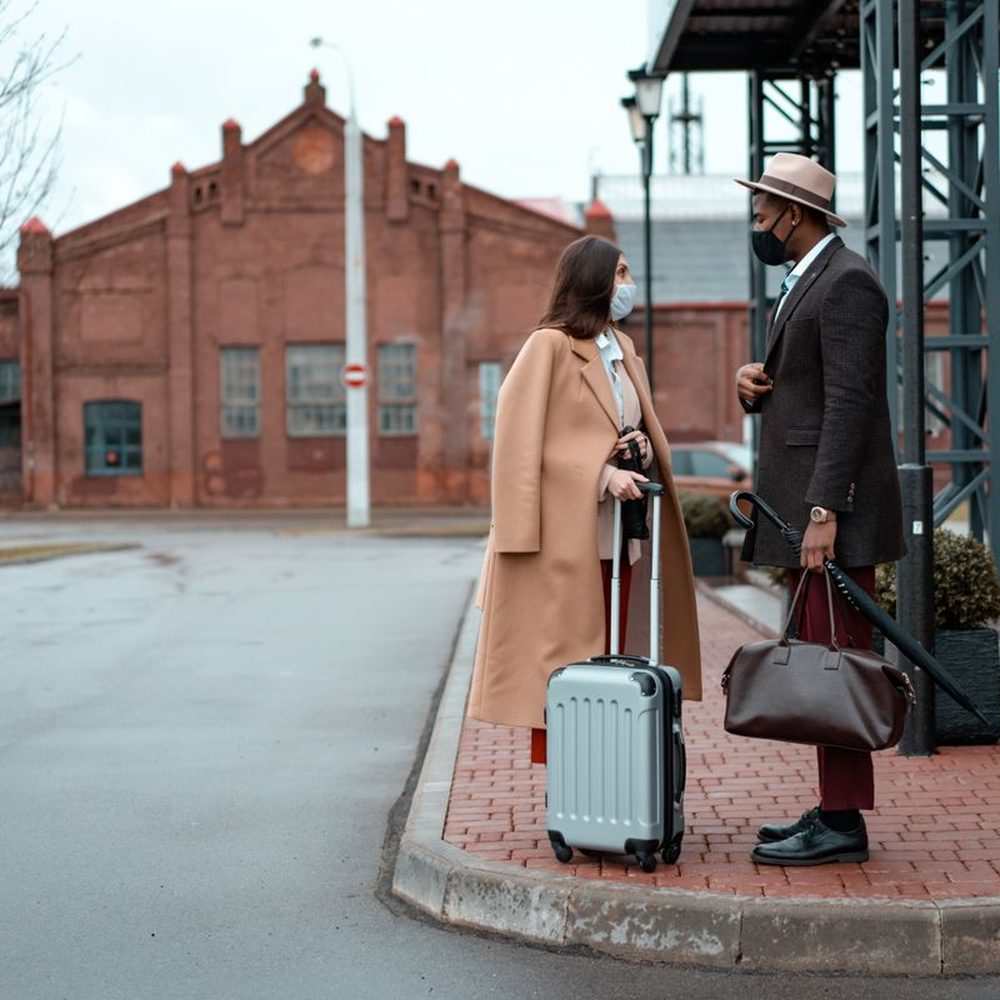
A good travel bag does two jobs well, hold what you need and survive the trip. Picking the right one starts with honest questions about how you travel, what you carry, and how often you want to worry about the bag.
This travel bag guide walks you through those questions and gives concrete, practical advice. You’ll learn which carry style fits which trip, how to choose a size that actually works, what materials stand up to real wear, and how to evaluate pockets and hardware. If you’re buying for yourself or stocking a boutique, this article helps you choose bags that perform.
Define Your Travel Style
Before you look at features and finishes, define how you travel. Are you a weekend city explorer who hops on trains and taxis, or a long-haul traveler who checks a single large suitcase? Do you prefer one carry-on that doubles as a daily bag, or separate day and overnight bags?
Your travel style determines the carry type and size. Minimalist travelers might favor a structured tote or a small roll-aboard. Adventure or multi-destination travelers often need a duffel or convertible backpack that compresses and expands. Being clear about travel style saves time and money when you shop.
Choose The Right Carry
Carry method affects comfort and access. Soft duffels are flexible and lightweight, but they typically lack organization. Rolling luggage maximizes protected packing and makes airport movement easy, but it’s heavier and less flexible for tight urban streets.
Backpacks are hands-free and balanced, ideal for public transport and uneven terrain. Crossbody and tote bags give quick access to essentials. A convertible bag that shifts between backpack and shoulder carry offers versatility for mixed itineraries.
- Duffel: flexible, light, good for stuffing into car trunks
- Rolling suitcase: structured, protected packing, airport-friendly
- Backpack: hands-free, balanced, great for walking tours
- Convertible: multi-use for varied trips
When To Choose A Backpack
Pick a backpack when you’ll be on your feet a lot, moving between train stations, or navigating cobblestones. Look for padded straps, a sternum strap, and a hip belt for heavier loads. Internal organization pays off if you carry electronics, a change of clothes, and small gear.
When To Choose A Rolling Bag
Choose rolling luggage for business travel or long trips where you’ll walk long airport distances with heavy loads. Hard-shell cases protect fragile items. If you prefer a soft rolling bag, confirm the wheel quality and reinforced corners for longevity.
Pick The Right Size
Size is about both physical dimensions and the way you pack. Carry-on size rules vary by airline, so measure external dimensions, including handles and wheels. For domestic flights a common rule is a bag under 22 inches tall, but always check specs before you buy.
Think in outfits and layers rather than arbitrary liters. A weekend bag should fit two outfits plus toiletries and a jacket. For seven to ten days consider a 40 to 60 liter duffel or a 20 to 24 inch checked suitcase. If you’re buying multiple bags for a shop, offer one compact carry-on and one large checked option to cover most customer needs.
Materials That Last
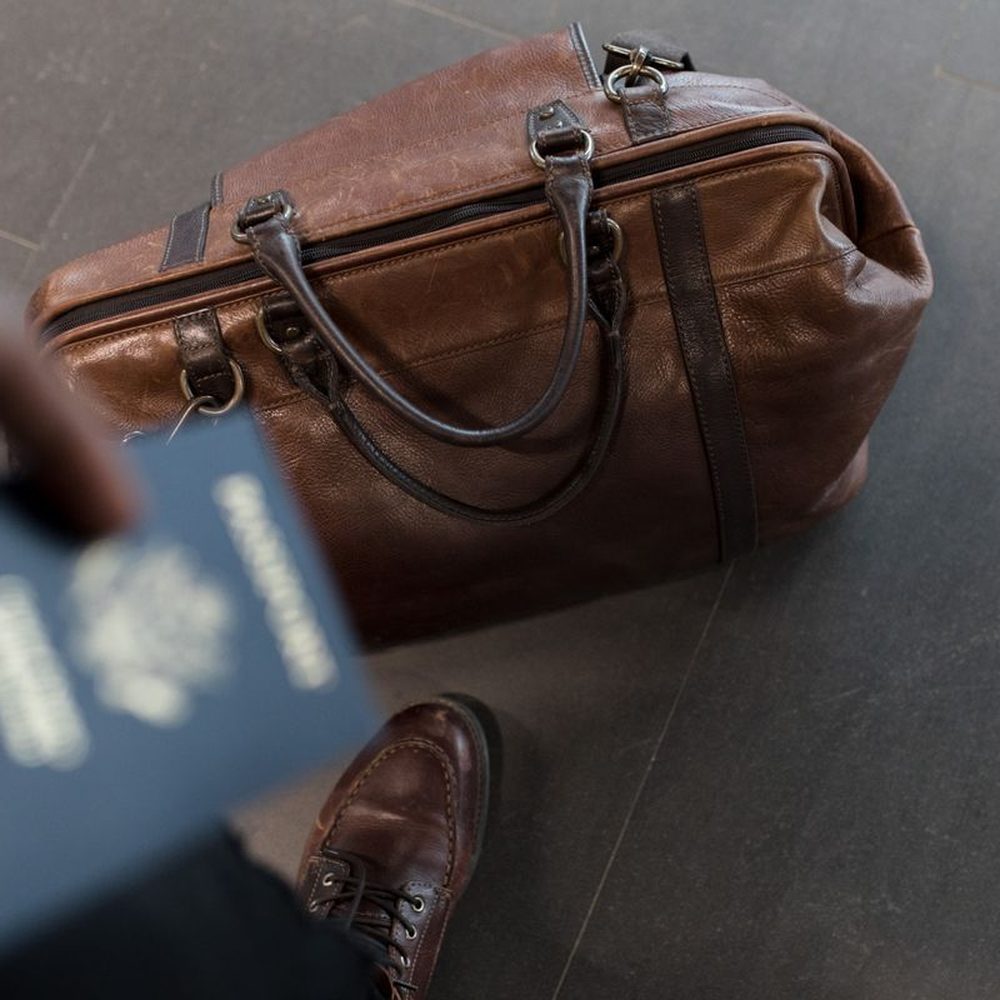
Material choices determine durability, weight, and care. Ballistic nylon and Cordura are industry workhorses, tough and abrasion-resistant. They shed water and handle scuffs. Waxed canvas is handsome and repairs well, but it’s heavier and needs more care to stay water-resistant.
Hard-shell polycarbonate cases offer strong impact protection and are easy to clean, yet they can show scratches. Look for high-quality zippers, reinforced stitching, and taped seams on fabric bags. For bags that will see daily use, choose reinforced bottoms and abrasion panels at contact points.
Hardware And Closures
Hardware fails faster than fabric. YKK zippers and full-length zipper pulls reduce stress. Metal hardware should be solid, not plated if the bag will see heavy use. For security, choose lockable zippers and TSA-compliant locks for checked luggage.
Organization And Access
Good internal layout makes travel smoother. A separate shoe compartment or a laundry pocket prevents smells from contaminating clean clothes. Padded laptop sleeves and dedicated tech pockets protect electronics and speed security checks.
External pockets that open wide and stay secure are useful for passports, boarding passes, and a water bottle. Avoid tiny, shallow pockets that become rubbish collectors. Think about how you unpack at your destination; a bag that opens lid-style or lies flat on a bed simplifies finding what you need.
- Look for a padded laptop sleeve sized to common laptop dimensions
- External quick-access pocket for phone and passport
- Separate wet or dirty clothes compartment
Packing For Function
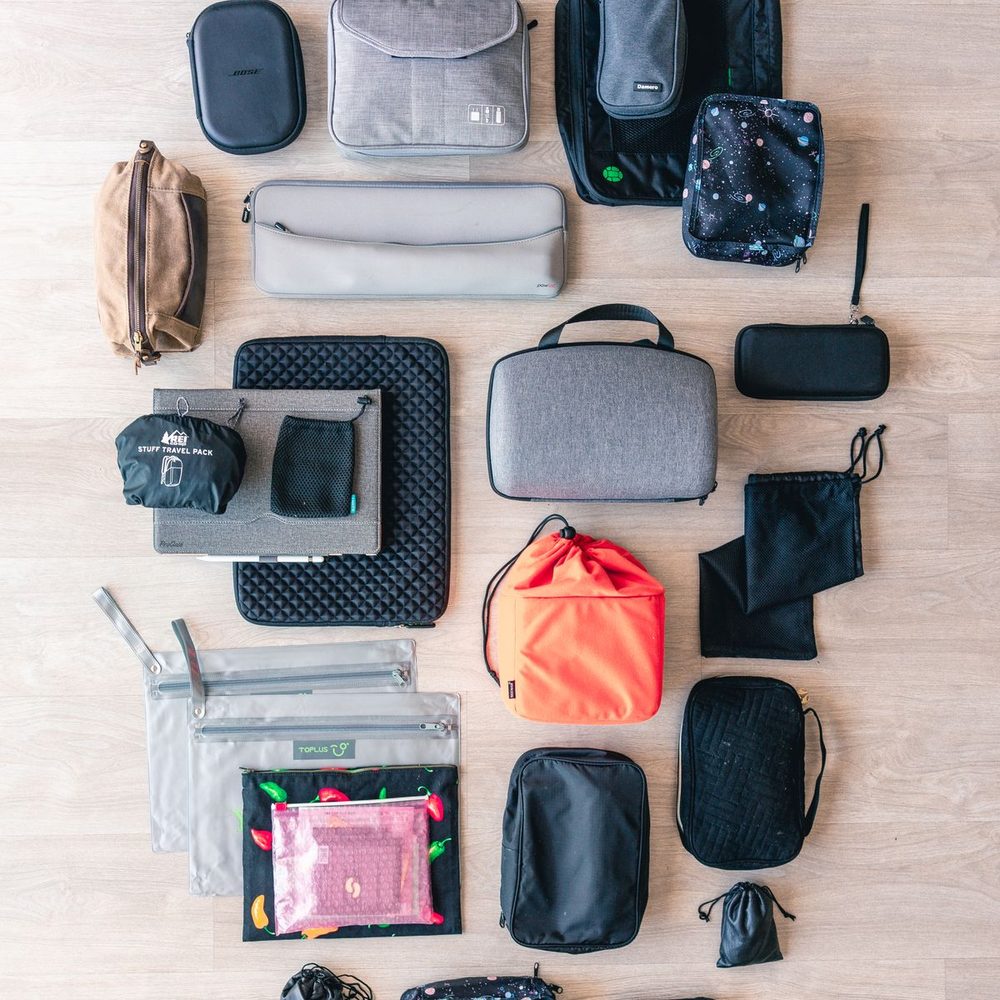
Packing method can expand or shrink how useful a bag is. Use packing cubes to compress items and keep outfits together. Roll lightweight garments and fold heavier items flat to reduce wrinkles. Place frequently used items near the top or in an external pocket.
Distribute weight so the bag sits comfortably and doesn’t pull to one side. Put heavier items near your back in a backpack, or over the wheels in rolling luggage. Keep a small day bag for daily outings rather than carrying everything in your main travel bag all day.
Evaluate Weight And Carry Comfort
Empty bag weight is often overlooked. Heavier bags reduce your practical packing allowance and tire your shoulders sooner. Compare empty weights between similar-size bags; every pound matters for weekend trips.
Test carry comfort in the store or at home. Adjust straps fully loaded if you can. For shoulder bags, check the handle drop and padding. A padded, adjustable strap matters more on long walks. If you’re buying for a store, carry comfort returns customers; stock models with varying strap types.
Wheel Quality And Mobility
Spinner wheels glide in airports but can catch on pavements. Look for high-quality sealed bearings and wide wheel housings. Single wheels are simple and repairable, but dual wheels distribute weight better.

Buying For Retail Or Wholesale
If you’re buying as a retailer or a boutique buyer, think beyond aesthetics. Order samples and use them. Inspect seams, zippers, and internal construction. When placing a wholesale or custom order, confirm production lead times, minimum order quantities, and the brand's repair or warranty policies. Wholesale shoppers should compare landed cost to expected retail price and margin. Price your products to cover wholesale discounts and give stores healthy margins. A common wholesale structure is a 50 percent discount off suggested retail, which allows retailers to mark up while staying competitive. If you sell direct, transparency about materials, dimensions, and care instructions reduces returns and builds trust.
Stocking A Balanced Range
Offer multiple sizes and at least two carry styles to serve both weekend travelers and long-haul customers. Neutral, durable colors tend to sell steadily, while a seasonal color or pattern can create interest.
Frequently asked questions
What bag size counts as carry-on?
How do I clean a fabric travel bag?
Are hard shells better than soft bags?
What features justify a higher price?
Where to go next
Choosing the right travel bag comes down to honest use-case thinking and a careful look at construction. Match carry type to your travel habits, pick materials that fit your care routine, and prioritize features that make packing and access easier. If you want to see our recommended options, shop our latest styles at our shop or read more gear advice in the journal at our blog. For trade inquiries or to stock Feel N Flow in your store, contact us directly at our contact page.
Written by the Feel N Flow studio
Everyday handbags, chosen and shipped from Tucson, Arizona.