A handbag is more than an accessory, it’s the daily workhorse that carries your essentials and completes your outfit. With regular care, a well-made bag can look fresh for years. This guide focuses on practical, do-able steps you can use at home to clean, store, and preserve leather, canvas, suede, and hardware.
We’ll cover gentle cleaning methods, quick fixes for common stains, storage and travel strategies, and simple repairs you can try before visiting a professional. Whether you bought your bag from a boutique or found it secondhand, these handbag care practices will help you protect your investment and enjoy your bag longer.
Know Your Material
The first rule of handbag care is to identify the material. Common materials include full-grain or top-grain leather, vegetable-tanned leather, suede, nubuck, coated canvas, and woven fabric. Each material responds differently to water, cleaners, and conditioners, so knowing what you have prevents damage.
Look at the tag or ask the retailer for specifics. If the material feels smooth and has a natural grain, it’s likely leather. Suede has a nap, or fuzzy surface, while nubuck has a softer, sanded top grain. Coated canvas or synthetic textiles often have printed patterns and resist water better than natural leathers. Once you know the material, choose cleaners and conditioners designed for that surface.
Daily Habits
Small daily habits prevent big problems. Empty loose change and receipts at the end of each day to avoid spills and weight strain. Store pens with their caps closed or keep them in a small pouch. Wipe down high-contact areas like handles and straps with a soft, dry cloth after use to remove oils and dirt.
Rotate your bags regularly. Using the same bag every day causes concentrated wear on seams and hardware. Give your handbags a day or two between heavy uses to let any moisture or sweat evaporate, especially in hot weather or after travel.
Cleaning Leather Bags
Leather needs gentle products and measured attention. Start with a soft, dry brush or microfiber cloth to remove surface dust. For light cleaning, mix a drop of mild, pH-neutral soap with warm water. Dampen a cloth, wring it so it’s barely moist, and wipe the leather following the grain.
Never soak leather. After cleaning, dry with a clean towel and let the bag air dry away from direct sunlight and heat. Finish with a proper leather conditioner applied sparingly. A thin layer protects and restores oils. Test any product on an inconspicuous spot first to confirm colorfastness.
- Use pH-neutral soap for light cleaning
- Avoid soaking or abrasive scrubbing
- Condition sparingly and test first
Choosing a Conditioner
Conditioners vary by ingredient and finish. Beeswax-based balms add protection and a slight sheen. Water-based conditioners hydrate without darkening leather as much. Pick a product recommended for your leather type and apply a small amount with a soft cloth, buffing lightly until absorbed. Repeat no more than twice a year for everyday bags.
Addressing Grease Stains
Grease requires quick action. Blot excess with an absorbent paper towel or cloth, do not rub. Sprinkle cornstarch or talcum powder on the stain and let it sit overnight to draw out oil, then brush it off gently. If the stain persists, seek a professional cleaner.
Caring for Suede and Nubuck
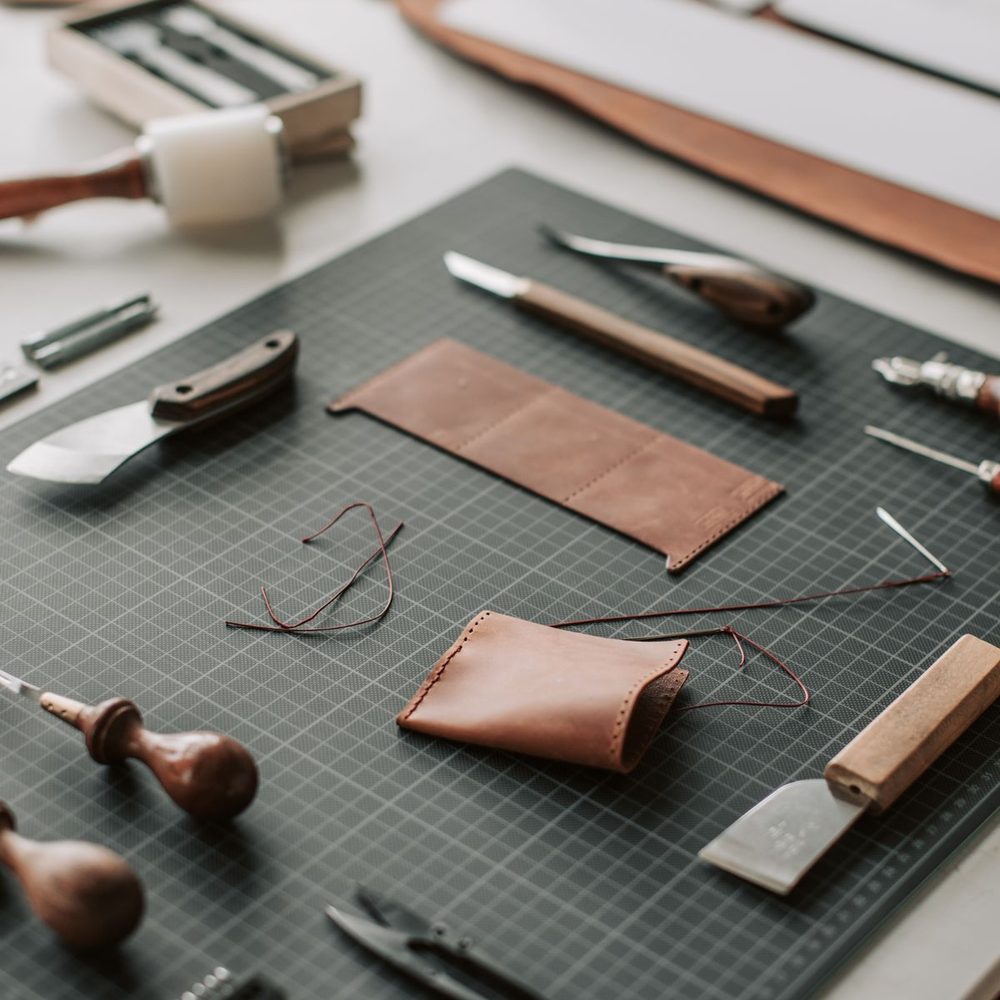
Suede and nubuck need different handling than smooth leather. Their nap can be raised back up with a suede brush, which removes surface dirt and revives texture. For dry stains, use a suede eraser or a clean pencil eraser to lift marks, then brush.
Avoid water when possible. If suede gets wet, blot immediately with a towel and let it air dry naturally. After drying, brush with a suede brush to restore the nap. For oil or stubborn stains, professional cleaning is safest because aggressive home treatments can leave water spots or flatten the nap.
Waterproofing Suede
Use a suede-specific protectant spray to repel light moisture and stains. Apply outdoors and in thin, even layers, keeping the can a foot or more from the surface. Reapply after cleaning or once a season for regular-use bags.
Canvas and Fabric Bags
Canvas and woven fabric are forgiving materials and often washable, but always check the label. For removable liners or detachable straps, wash those parts separately. Surface-clean fabric bags with a soft brush and a solution of mild detergent and water.
For deeper cleaning, spot-treat stains first with a gentle cleanser. If the bag is machine-washable, use a cold, gentle cycle inside a pillowcase or mesh bag to reduce agitation, then air dry flat to retain shape. Avoid high heat in dryers which can shrink fabric and warp hardware.
- Brush off loose dirt before washing
- Spot-treat stains before full clean
- Air dry flat to keep shape
Hardware And Zippers
Hardware—buckles, clasps, and zippers—can tarnish or stick without care. Wipe metal parts with a soft cloth to remove oils. For brass or non-coated metals that tarnish, a gentle metal polish applied with a cotton swab can restore shine but test on a small area first to ensure it won’t affect nearby leather or finishes.
Keep zippers moving smoothly by occasionally rubbing a small amount of beeswax, graphite pencil lead, or a zipper lubricant along the teeth. If a zipper jams on fabric, carefully free the fabric with tweezers before applying lubricant. Replace broken or missing hardware with a cobbler or leatherworker to maintain structural integrity.
Storage And Long-Term Care
How you store a bag matters as much as how you clean it. Fill bags with acid-free tissue paper or cloth to support the shape, not newspaper which can transfer ink. Store bags upright in breathable dust bags or cotton pillowcases. Avoid plastic, it traps moisture which can lead to mold and degradation.
Keep stored bags in a cool, dry place away from direct sunlight and heat sources. For leather especially, allow occasional airing—take the bag out of storage every few months to inspect and let it breathe. If you live in a humid climate, include silica gel packets to reduce moisture without drying the leather out.
Seasonal Rotation
Rotate bags with the seasons to limit sun exposure and even out wear. Lighter colors are best kept out of prolonged bright light to avoid yellowing or fading. Seasonal rotation also gives you a chance to clean and condition items before they return to regular use.
Minor Repairs At Home
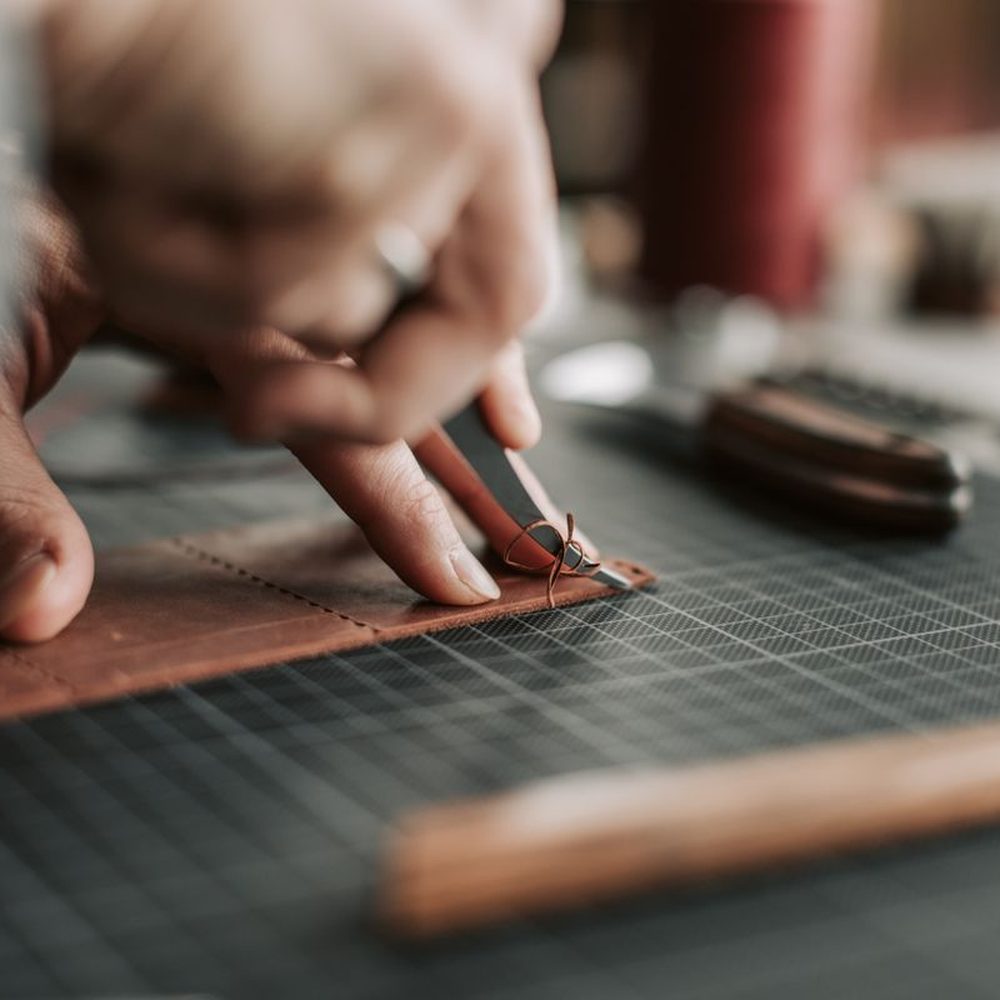
You can handle small repairs at home with the right supplies. Sewing loose linings or reattaching a strap can be done with an upholstery needle and heavy-duty polyester thread. For scuffed leather, a leather repair kit with color-matching compounds can reduce visibility of scratches.
Keep a small repair kit: heavy needles, matching thread, a suede brush, leather glue, and touch-up polish. For anything structural such as broken frames, irreparably torn straps, or deep gouges, work with a professional repair service to avoid further damage.
When To Seek Professionals
Professional cleaners and leather restorers are worth the cost for valuable or sentimental bags. They can handle deep stains, full re-dyeing, and structural repairs that might be risky to attempt at home. Ask the cleaner about their process, whether they use water-free methods, and if they offer before-and-after assessments.
Boutiques and local cobblers often provide repair recommendations. If you bought a bag through another retailer, please get in touch through our /contact page. For questions about our care recommendations or repair referrals, you can reach out through our contact page.
Cost Considerations
Repair costs vary widely by material and extent of damage. Simple zipper replacements or strap repairs tend to be affordable, while full re-dyes or structural restorations cost more. Weigh the repair cost against the bag’s value and sentimental importance when deciding on professional work.
Frequently asked questions
How often should I condition my leather bag?
Can I use household cleaners on my bag?
What’s the best way to remove ink from a bag?
How should I pack a handbag for travel?
Where to go next
Caring for your handbag doesn’t need to be complicated. With a few reliable habits—regular light cleaning, proper storage, and quick attention to stains—you can extend the life of your favorite bag and keep it looking its best. If you want product-specific advice or help sourcing care supplies, visit our shop or reach out. Explore our collection and care resources on the site, or contact our team for personalized recommendations through the shop, our blog, trade inquiries, contact page, and home.
Written by the Feel N Flow studio
Everyday handbags, chosen and shipped from Tucson, Arizona.