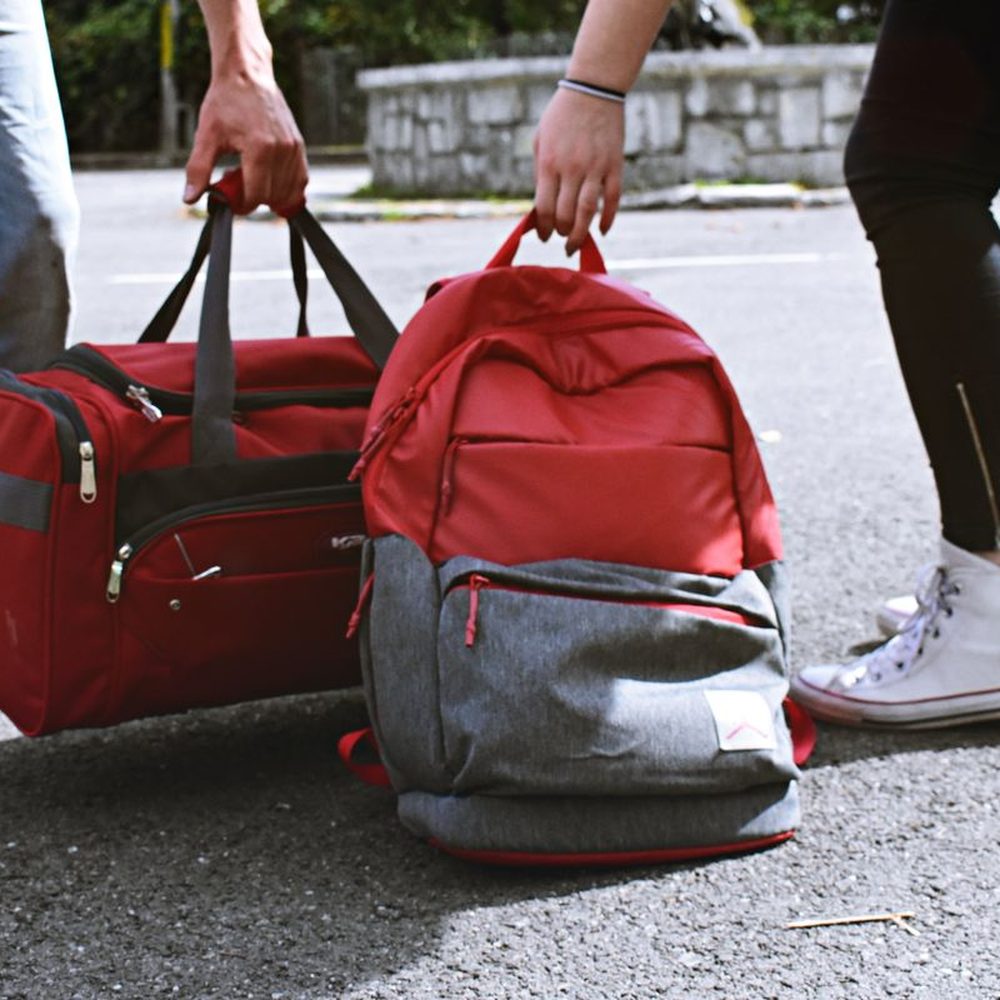
Buying a handbag online can feel like a small leap of faith. You can’t touch the leather, try the straps over your shoulder, or see the true scale in person. That’s fine. With a few concrete checks and a little planning, you can pick a bag that fits your life and arrives without surprise.
This article walks through the whole process, from measuring what you already own to interpreting product photos and reading warranty and return policies. We cover materials, hardware, capacity, and the wholesale considerations small retailers need. If you want to shop confidently, whether on a brand site or a marketplace, these steps will reduce risk and help you choose a handbag you’ll use every day.
Start With Purpose
Begin by asking what the bag needs to do. Is it your everyday carry, an evening bag, a work tote, or a weekend bag? Knowing the primary use narrows down styles, sizes, and materials. For example, if you commute with a laptop, you need a bag with structured support and a padded compartment. If you ride a bike, think about secure closures and crossbody straps.
Purpose also determines how much you’re willing to spend and how much wear it will see. An evening clutch can be delicate and lower cost, while an everyday tote should be built to last. Write down the nonnegotiables, like laptop size, wallet size, or whether it must fit a water bottle, before you start browsing.
Measure What Works
Don’t rely on vague size labels. Take measurements of a bag you already use and like. Record width, height, and depth in inches, and note the drop length from shoulder to top of bag when carried. These three numbers are the most reliable way to compare an item online to what you already own.
Also measure objects you carry daily. A 13 inch laptop, an umbrella that is 10 inches long when folded, or a water bottle base diameter of 3 inches will help you visualize the interior space when you see product dimensions online.
Read Materials Closely
The product description should say exactly what materials are used. Full-grain leather, corrected-grain leather, top-grain, nubuck, suede, canvas, and vegan leather all behave differently. Full-grain leather will patina and last decades if cared for. Coated canvas is lighter and easier to clean. Synthetic leathers vary widely in durability and breathability.
Pay attention to lining and seam construction as well. A quality cotton or nylon lining is easy to repair and clean. Bags with glued construction can peel at edges over time, while stitched seams tend to hold up better. If the description is vague, use the contact info on the product page to ask for specifics.

Inspect Photos And Details
Good photography tells you a lot. Look for multiple angles, interior shots, closeups of hardware, and a picture with a model or scale reference. Zoom in on stitching and edges. If the bag has a magnetic snap, see a closeup of the closure. If straps are adjustable, look for extra holes or buckles in the photos.
Avoid listings with only one small image or heavily photoshopped shots that hide texture. If the item shows uneven stitching, frayed edges, or cheap lining in photos, assume the physical product will be the same. Trustworthy sellers invest in clear, honest images because they reduce returns.
Check Hardware And Hardware Care
Hardware quality affects both look and function. Solid brass or stainless steel hardware resists corrosion and won’t flake like plated metals. Zippers from reputable makers such as YKK are worth noting because a broken zipper is a common failure point. Look for descriptions that specify the metal and finish.
Also consider how exposed the hardware is. Decorative studs and rings can catch on clothing. If you have sensitive skin or metal allergies, seek nickel-free listings or ask the seller about plating. Small changes here dramatically affect longevity and how the bag performs over time.
Evaluate Organization And Capacity
Interior organization can make or break daily usability. Look for pockets sized for your phone, keys, and wallet. A zippered internal pocket protects valuables. If you carry a water bottle, check whether the base is narrow enough to avoid tipping or whether there’s an interior sleeve.
When you see dimensions, mentally place your daily items into the measured space. If a bag lists 12 x 10 x 4 inches, visualize whether your tote-size planner or laptop sleeve fits within. Remember that structured bags keep their shape, so internal space is more predictable. Slouchy fabrics will bulge and offer more flexible capacity.
- List your daily items and approximate sizes
- Compare those measurements to the bag dimensions
- Look for pockets sized for your phone and keys
Review Return And Warranty
One advantage of shopping online is that sellers can and should explain their return and warranty policies clearly. Check the number of days for returns, who pays return shipping, and whether the bag must be unused. Some brands offer free returns within a window, others charge a restocking fee. Know this before you buy. Also read the warranty fine print. Many warranties cover manufacturing defects but not normal wear or accidental damage. If you’re buying wholesale for a shop, confirm the warranty and return policy explicitly cover damaged-on-arrival claims so you can protect your inventory and satisfy customers. Retailers often need different terms than consumers do.
Questions For Customer Service
When in doubt, ask direct questions. Request closeup photos of seams, the interior, or the strap attachment points. Ask for the exact material names and care instructions. A transparent brand answers promptly and provides practical details.
Wholesale Considerations
If you’re buying inventory for a boutique, confirm minimum order quantities, lead times, and whether samples are available. Ask about wholesale pricing tiers and how returns on unsold stock are handled. Use our contact page to find policy details and contact channels before placing a larger order.
Assess Shipping And Timing
Shipping matters more than most shoppers expect. Check estimated delivery windows and the seller’s origin. International shipping adds duties and longer transit time. If your purchase is time sensitive, choose expedited options and confirm tracking availability. Also check packaging standards. A well-packed bag arrives in good shape. If a seller says they ship in protective dust bags or boxes, that’s a sign they care about presentation and damage prevention. If you want to ask about packaging or request additional protection, use the contact info on the product page or reach out via our contact page.

Decide And Final Checks
Before you click purchase, do a final checklist. Reconfirm dimensions against your measurements. Re-read the return window and any restocking fees. Confirm coupon codes or shipping promotions. If you are buying from a marketplace, verify the seller rating and recent reviews.
If possible, give yourself a short waiting period, an hour or overnight, to be sure. That pause reduces impulse purchases and gives you time to compare a similar style from another seller. When you buy a handbag online with intention, you’re more likely to keep it and use it for years.
Frequently asked questions
How do I know a bag will fit my laptop?
What leather type should I choose for everyday use?
Can I rely on marketplace photos?
What if a bag arrives damaged?
Where to go next
Shopping smart reduces returns and the disappointment of an ill-fitting bag. Use measurements, clear photos, material details, and return terms as your decision tools. When you take a little time to compare and ask specific questions, you avoid surprises and find a bag you’ll reach for every day. If you want to browse with confidence, start at our shop or read more about our design process at our story. For trade inquiries or sample requests, reach out through our contact page. You can also explore more guides in our journal at our blog.
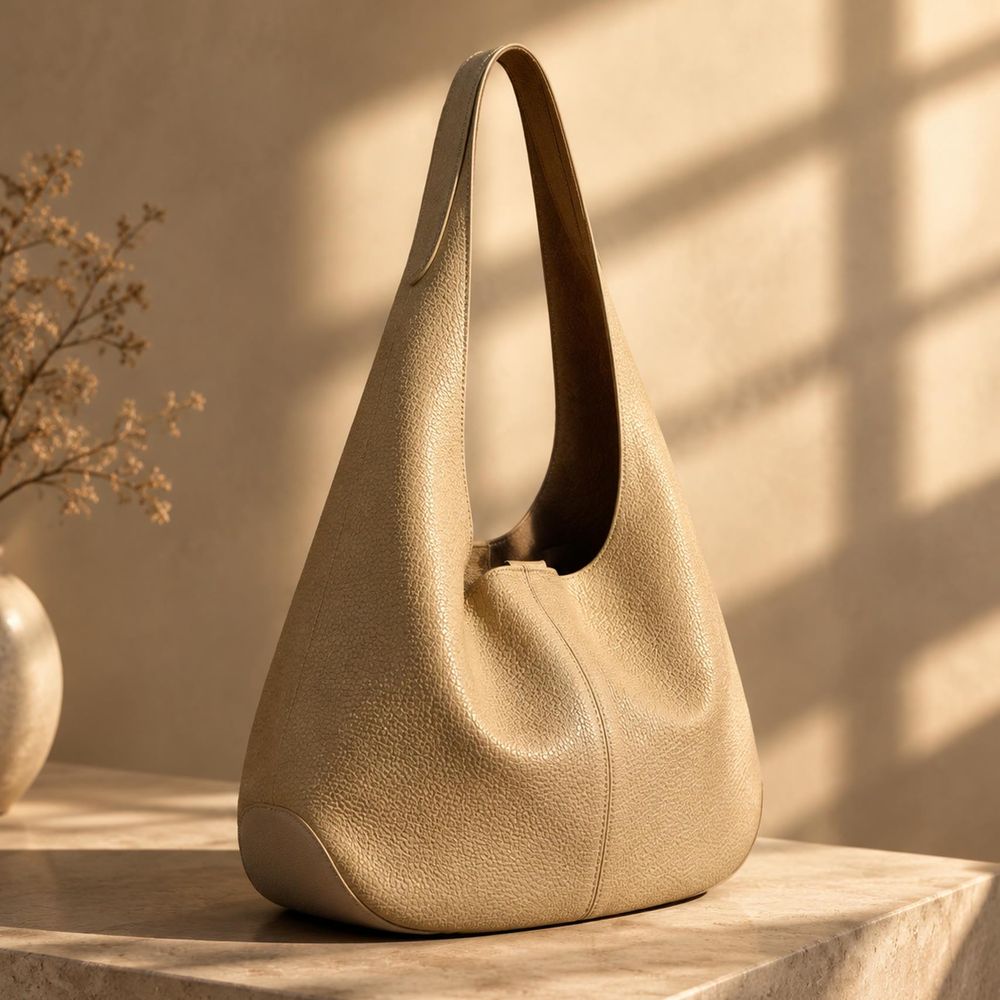
Written by the Feel N Flow studio
Everyday handbags, chosen and shipped from Tucson, Arizona.