Travel demands tradeoffs. You want to carry what matters, move freely, and avoid the bulk and hassle of larger bags. A well-chosen crossbody bag solves many of those tradeoffs, combining security, accessibility, and compact organization in one comfortable package.
This article breaks down why a crossbody bag travel setup works so well, how to choose the right size and materials, packing strategies for different trips, safety and airport tips, and what retailers should know when merchandising crossbody styles. We’ll include concrete measurements, strap guidance, and real-world scenarios so you can pick a bag that fits your life on the road.
The Core Benefits
Crossbody bags keep essentials close. Worn across the chest or hip, they sit in your line of sight, which reduces the chance of theft and means you don’t need to constantly check what’s inside. For travel, that immediacy is as valuable as capacity, because small inconveniences add up over a long day of walking, transfers, and lines.
A second major benefit is hands-free mobility. When your hands are free you can manage tickets, coffee, a child, or a camera without juggling a bag. Crossbody wear distributes weight across your torso instead of one shoulder, so even when packed sensibly they feel lighter than a shoulder tote or satchel.
Right Size For Purpose
Not every crossbody is the same. For travel, think in terms of function not fashion. A day-trip crossbody should fit your phone, wallet, keys, and a small camera or compact umbrella. That usually means a body roughly 8–10 inches wide and 6–8 inches tall, with a 1.5–3 inch gusset for depth.
For flights or longer itineraries, consider a medium crossbody that holds a passport, small notebook, folding sunglasses, a compact charger, and a snack. Dimensions in the 10–12 inch by 7–9 inch range with a 3–4 inch gusset give that extra flexibility without becoming bulky.
- Small: 8" x 6" x 1.5" — phone, cards, keys
- Medium: 11" x 8" x 3" — passport, charger, compact items
- Large crossbody: 12" x 9" x 4" — fits a slim tablet or paperback
Materials And Weather
Material choice matters more on the road than at home. Vegetable-tanned leather looks great and patinas beautifully, but untreated leather can stain in rain and needs conditioning. For weather resistance, look for full-grain coated leather or high-quality coated canvas. These shed rain and clean easily with a damp cloth.
Nylon and ripstop fabrics offer excellent weight-to-durability ratios, and many are treated with DWR coatings for water resistance. Zippers should be sturdy, with metal pulls or thick molded plastic. Seams reinforced with topstitching survive abrasion from straps and crowded transit better than single-stitched seams.
Strap Length And Comfort
A strap that’s adjustable by at least 12 inches is essential. That range lets you wear the bag across the chest, at the hip, or on one shoulder depending on need. For most adults, a comfortable crossbody length falls between 40 and 52 inches, measured from strap end to end. Consider padded or wider straps for heavier loads; a 1.25 to 1.5 inch strap width distributes weight better than a thin strap.
Hardware choices affect comfort too. Swiveling clips reduce twist. Fixed, non-rotating D-rings can cause straps to spin and tangle. If you’ll use the bag for long sightseeing days, try it with 2–3 pounds of weight to simulate real use before buying.
How To Adjust
Slide the strap so the bag rests where you naturally reach your hand. For chest carry, the bottom of the bag should hit just below the sternum. For hip carry, the bag should sit at the top of your pelvis for easy access while walking.
Switching Hands
Adjust the strap a few inches shorter if you plan to carry crossbody on your non-dominant side. That keeps the bag secure and prevents it from bouncing when you walk.
Organization For Travel
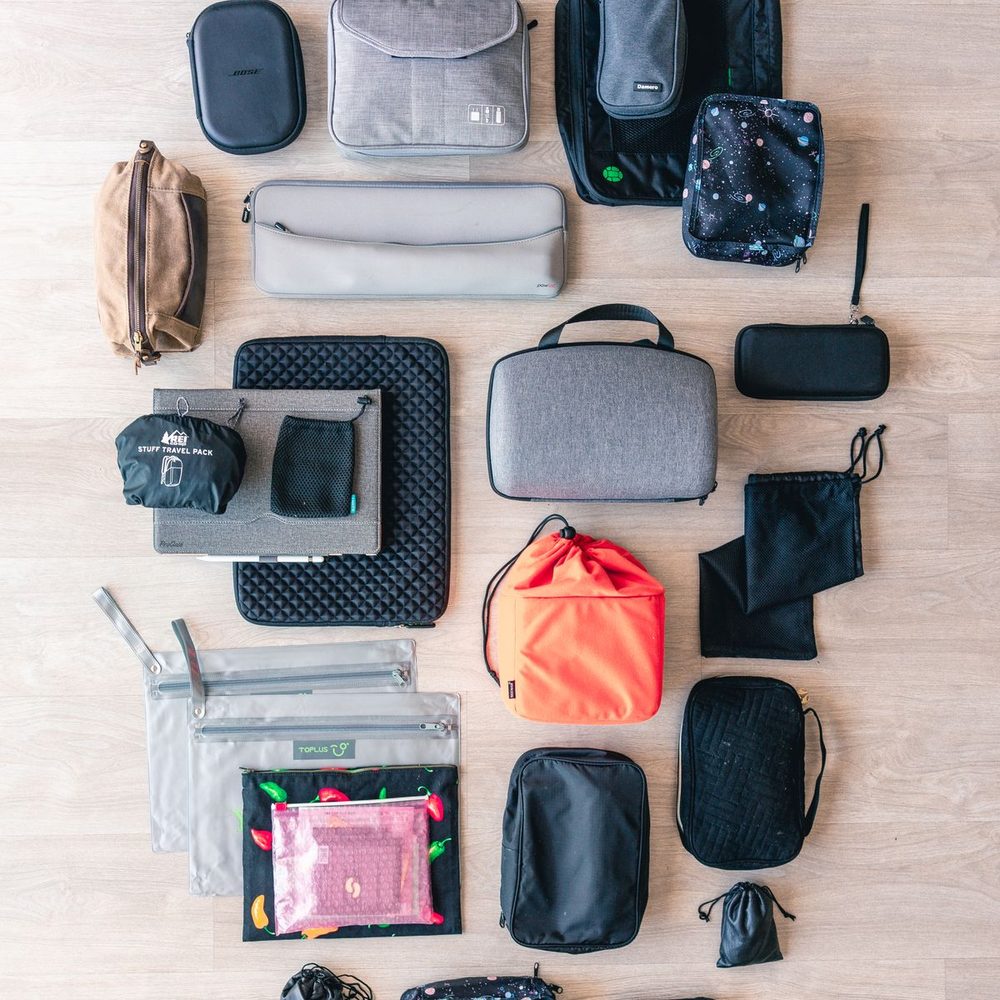
Good internal organization turns a small bag into a powerhouse. Look for a main compartment plus at least two smaller pockets: one secure zip pocket for cards and cash, and one open slip for a phone or transit card. Mesh or felt-lined pockets for sunglasses and electronics prevent scratching.
Consider external quick-access pockets for transit cards or a passport. Those pockets should have zippers or magnetic closures that sit flush, so they don’t accidentally open on a crowded train. A key leash or small carabiner inside the bag makes finding keys effortless.
- Zip pocket for valuables
- Slip pocket for phone
- Key leash or carabiner
- Mesh pocket for small cables
Security And Pickpocketing
Wearing the bag in front is the simplest anti-theft move. Crossbody wear keeps the bag visible and makes it harder for someone to unzip it unnoticed. Choose zippers that close fully and sit under a flap or behind a panel for added protection.
For busy metros and tourist areas, consider bags with lockable zippers or small cable-reinforced straps. If you need extra security, use a slim travel wallet inside the bag and carry minimal cash. Remember that appearance matters; very flashy bags can attract attention, while well-made, understated styles often deter casual thieves.
Airport And Transit Tips
Airports change the way you dress your bag. Keep liquids and items requiring inspection in an outer pocket for quick access. If you need to place a small crossbody in the screening bin, position flat items like a tablet or paperback so they slide out easily.
When boarding, shift the strap to the front and tighten it. In crowded buses or trains, shorten the strap and keep the bag resting against your body. A small lightweight crossbody can also stay on during security in many cases, depending on screeners and local rules. Check with TSA or local security if unsure.
What To Pack In Carry-On
Keep passport, boarding pass, phone, headphones, and a small sanitizer in your crossbody. If you use a battery pack, put it in an easy-to-reach pocket for quick removal when asked.

Shopping And Retail Advice
For independent boutiques and online sellers, crossbody bags are a dependable travel best-seller. They appeal to a wide demographic because they solve a daily problem: carrying essentials without bulk. When merchandising, show the bag at different strap lengths, and stage it with typical travel items like a passport, compact charger, and sunglasses so customers visualize use. Wholesale buyers should look at durability and return rate data. A bag that uses sturdy hardware, reinforced seams, and weather-resistant materials will have fewer returns. When buying stock for your shop, ask brands to provide clear size charts and suggested use cases so customers feel confident and are more likely to reorder.
- Stage with travel essentials
- Offer size chart and strap specs
- Highlight weather-resistant materials
Frequently asked questions
Is a crossbody bag safe to travel with?
Can a crossbody hold a tablet or laptop?
What material is best for travel crossbody bags?
How do I pack a crossbody for long travel days?
Where to go next
Crossbody bags travel well because they solve practical problems: they keep essentials close, free your hands, and fit the variety of micro-tasks a day of travel throws at you. Choose the right size, invest in solid materials and hardware, and organize pockets thoughtfully and you’ll be set for a smoother trip. If you want to try styles we recommend, visit our shop to see sizes and strap options. For trade inquiries or to see how crossbody styles perform for boutiques, please contact us. If you have a travel scenario you want help packing for, reach out and we’ll advise on the best crossbody fit for your trip and style preferences. shop trade inquiries stores our blog contact

Written by the Feel N Flow studio
Everyday handbags, chosen and shipped from Tucson, Arizona.