Boutiques thrive when their handbag selection feels intentional. Shoppers come for the edit, the handshake between design and lifestyle. This article breaks down the handbag trends boutiques should watch, why they matter for your customers, and how to translate them into a smart buying plan.
We’ll cover materials, shapes, price tiers, and merchandising approaches that make handbags fly off the shelf. Expect concrete examples you can act on today, from product specs and pricing math to display and care advice that reduces returns and builds repeat business.
Why Trends Matter
Trends are not fashion’s weather report, they’re a map of shopper needs. For boutiques, handbags are high-visibility items that communicate the store’s point of view. A well-curated handbag wall attracts walk-ins, increases basket size, and signals to customers that your shop has both style and practical thinking behind it.
But trends aren’t practical if you follow them blindly. Choose trends that align with your customer’s daily life and local climate. That makes buying less risky and inventory turnover faster. If you serve city commuters, prioritize hands-free and durable materials. If you’re in a resort town, leather crossbodies and straw totes will likely outperform structured satchels.
Material Matters
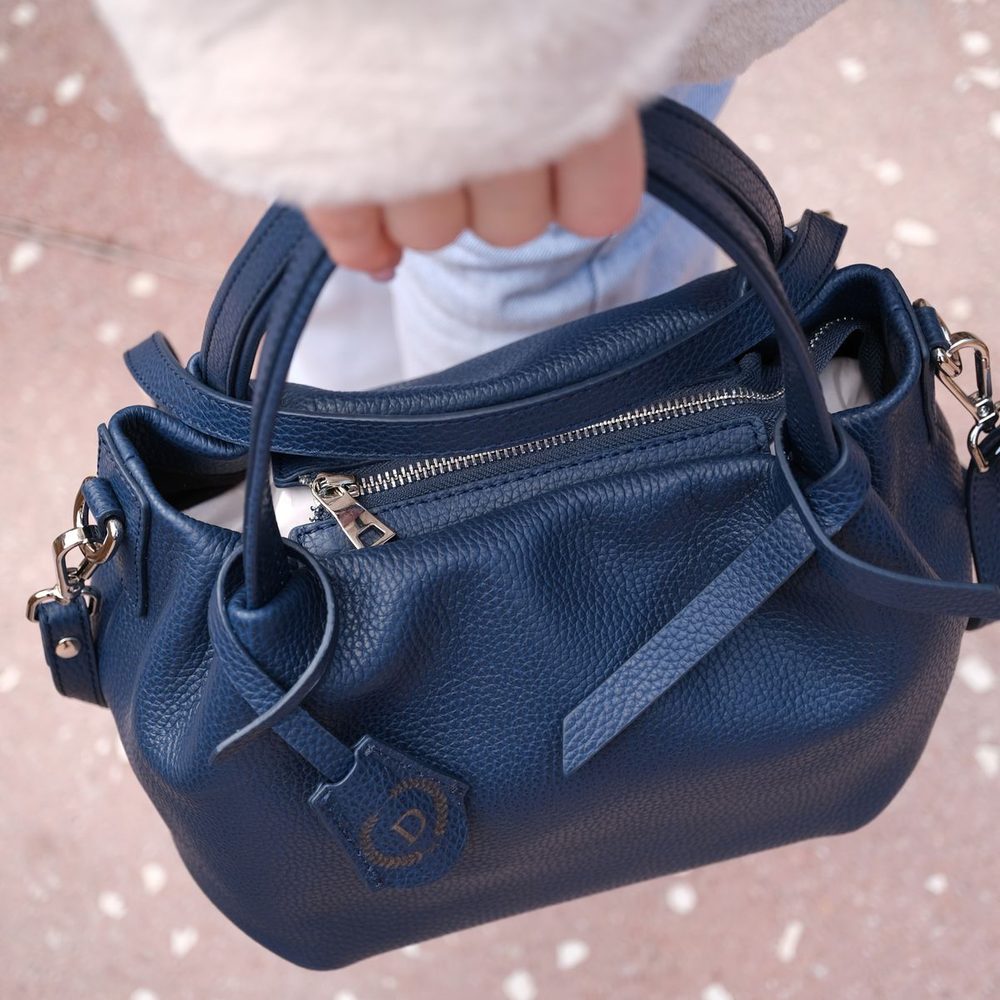
Material choice drives perceived value, wearability, and returns. Right now shoppers are balancing sustainability with longevity. Vegetable-tanned leather and heavy-duty cotton canvas are seen as investment materials, while waxed canvas and coated fabrics offer weather resistance at a friendlier price point.
Synthetic leathers are no longer a hard no. High-quality polyurethane (PU) can look and perform well when constructed with reinforced stitching and sealed edges. But be transparent about composition, and educate staff on care differences. Offer basic cleaning and conditioning instructions at the point of sale to protect both customer experience and your boutique’s reputation.
- Vegetable-tanned leather: ages attractively, higher price point
- Waxed canvas: weather-resistant and casual
- Coated fabrics: lower maintenance, good price flexibility
- High-grade PU: budget-friendly, choose well-constructed pieces
Shapes That Sell
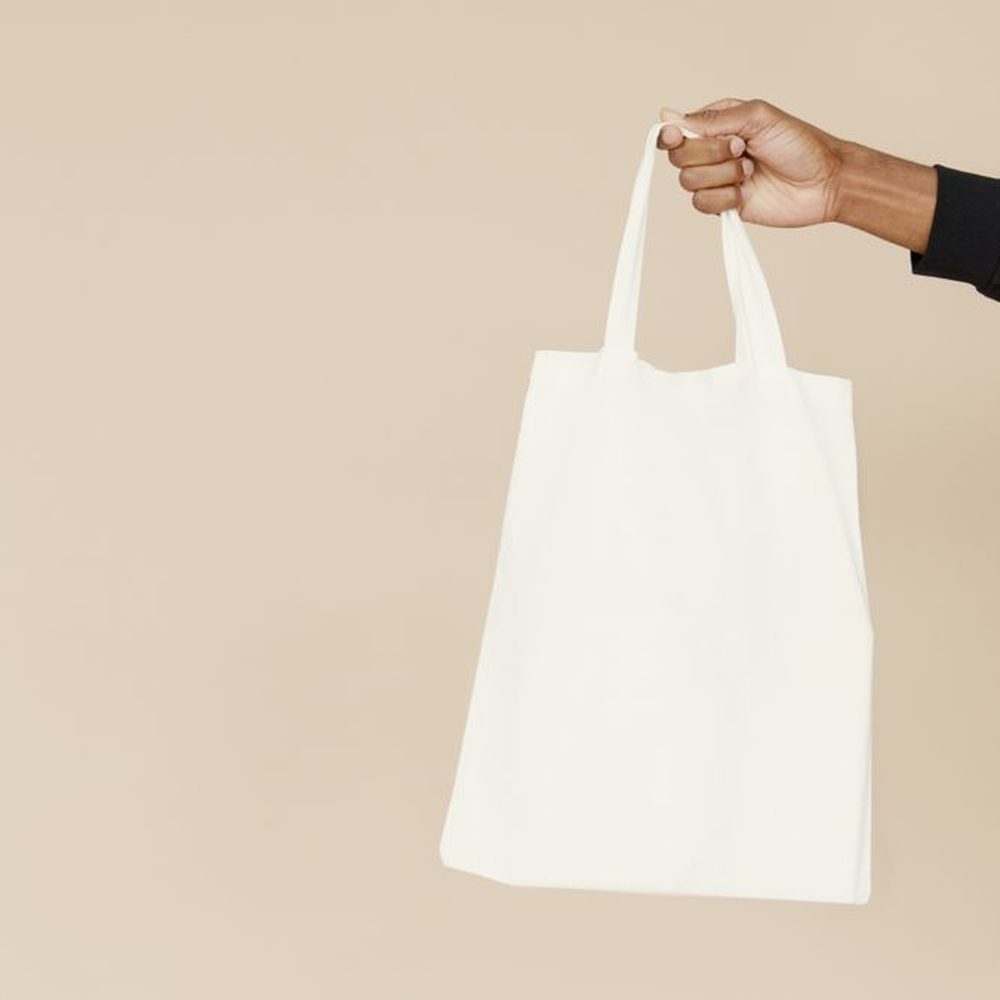
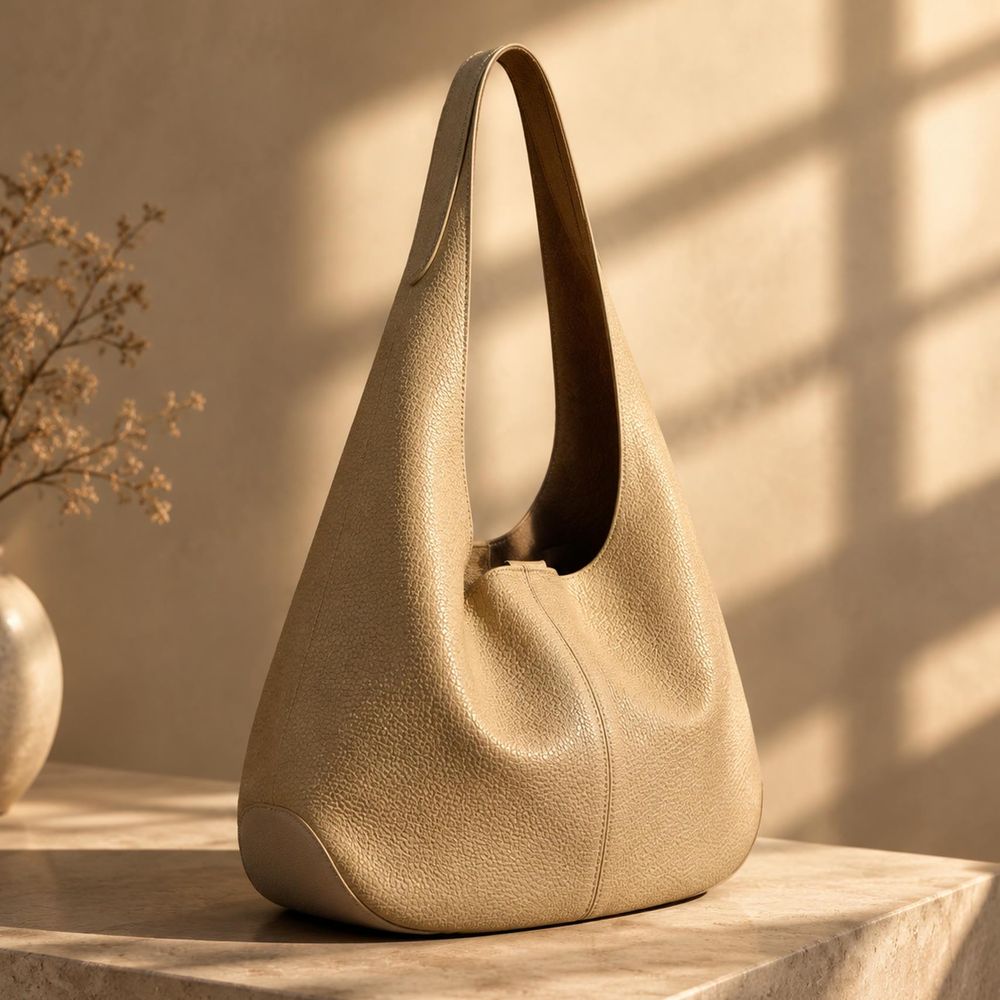
Silhouette drives function. In recent seasons shoppers have favored hands-free silhouettes like crossbody and shoulder bags, along with compact structured totes that double as day-to-night options. Larger totes and market bags remain steady for customers who value utility and weekend travel.
Offer a clear spread of shapes, not every size. A healthy assortment for most boutiques looks like this: one compact crossbody, two medium-sized shoulder bags, one structured tote, and one oversized carryall. That gives variety without overwhelming customers or tying up capital in slow sellers.
- Crossbody: everyday convenience
- Shoulder bag: transitional style
- Structured tote: polished option
- Oversized tote: travel and errands
Color And Texture
Neutrals still anchor most handbag assortments. Think warm tans, deep browns, black, and muted navy. They’re safe for gifting and pair easily with seasonal apparel. That said, boutiques should also reserve space for a rotating accent color, a textured weave, or a bold pattern to inject personality and drive social-media-friendly shots.
Textures sell tactilely. Croc-embossing, basketweave, and matte nubuck attract touch and convey quality without pushing price too high. Keep SKU counts lean by offering each silhouette in two neutrals and one seasonal accent. This small rule keeps inventory nimble and helps you track which colors truly appeal to your clientele.
Wholesale And Pricing
Wholesale math matters. A simple formula: aim for a keystone markup or 2.2 to 2.5x your wholesale cost for MSRP, depending on local market and overhead. If a bag costs $45 wholesale, an MSRP between $99 and $115 is a practical retail target for boutiques that need margin while staying competitive.
Segment your assortment into three price tiers. Entry tier under $100, core tier $100–$200, and investment tier above $200. Most boutiques see strongest velocity in the core tier. Use the entry tier for impulse buys and the investment tier as a statement offering that elevates your brand’s perceived range.
- Entry tier: impulse and gateway shoppers
- Core tier: highest turnover and steady margin
- Investment tier: builds store prestige and larger margins
Minimum Orders And Terms
When you buy wholesale, set a sensible minimum order that balances variety with cash flow. A good guideline is 6–12 units per style, mixing sizes and colors. Negotiate flexible terms for slow seasons and ask about return allowances or credits for unsold core colors.
Shipping And Lead Times
Account for lead times, especially with small makers or overseas workshops. Build reorder points into your POS to avoid stockouts, and factor shipping costs into the wholesale price when calculating margins. Fast-moving boutiques keep buffer stock for bestsellers.
Merchandising For Sales
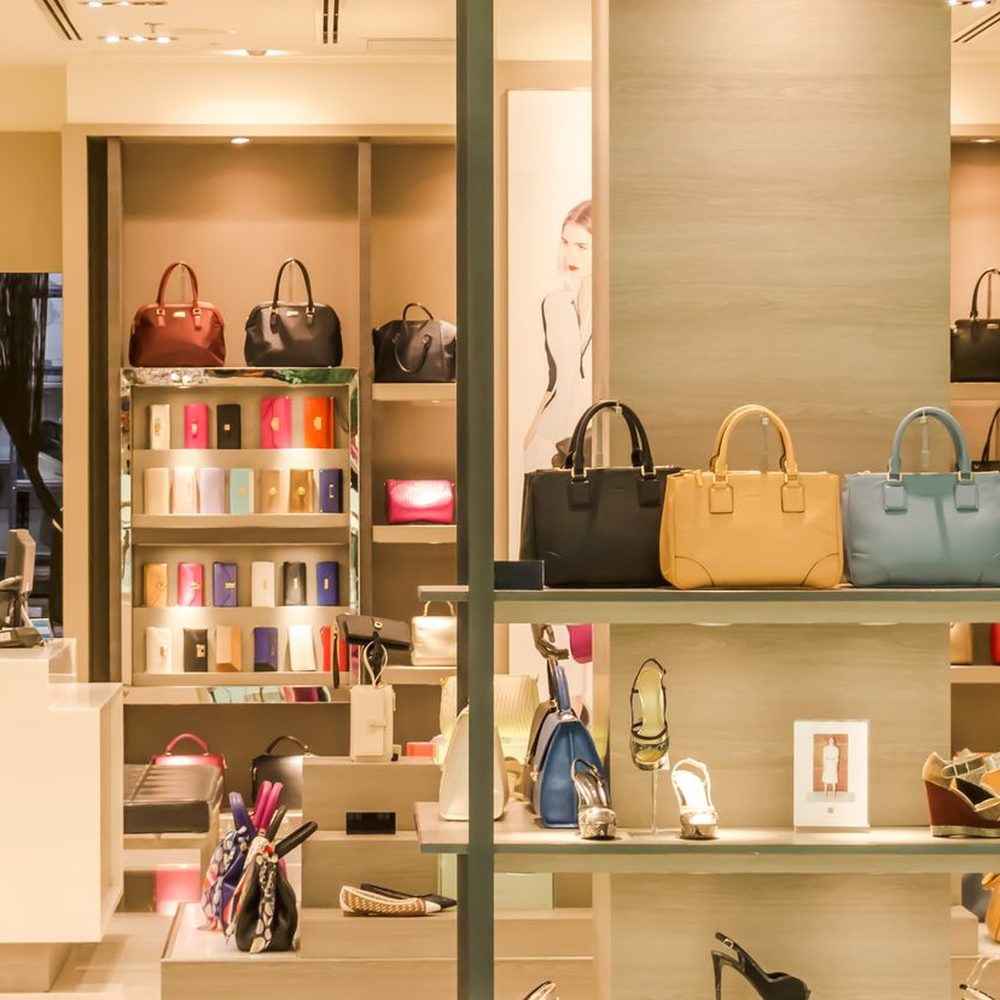
How you display bags affects perceived value and conversions. Group by lifestyle, not just color. For example, create a 'weekday commuter' cluster with crossbodies and compact totes displayed with a water bottle and sunglasses. A 'weekend market' cluster should feel relaxed with a straw tote and a lightweight cardigan.
Use height and mobility in your fixtures to keep displays approachable. Eye-level shelves should feature core-tier items. Use local lighting to highlight textures, and include clear price tags with material notes. Small signs that explain capacity, like 'fits a 13-inch tablet' or 'water-resistant,' answer shopper questions before they form, speeding decisions.
Try-Before-You-Buy
Create a small 'try room' stack near your register, where customers can test how a bag feels with their phone and keys. Staff should offer to load items into the bag to demonstrate capacity. That simple interaction reduces hesitation and returns.
Care And Returns
Clear care instructions reduce returns and protect your reputation. Provide a printed care card with every leather or specialty fabric bag. Include one-sentence tips like 'store filled with tissue to retain shape' and 'clean waxed canvas with mild soap and cold water.' Keep recommended cleaners or conditioners at the register for add-on sales. Your return policy should be fair but firm. Many boutiques accept full-price returns within a set window, with final-sale clauses for discounted items. Track return reasons, and if a particular bag generates repeated complaints, work with your production contact to resolve the issue before placing another order.
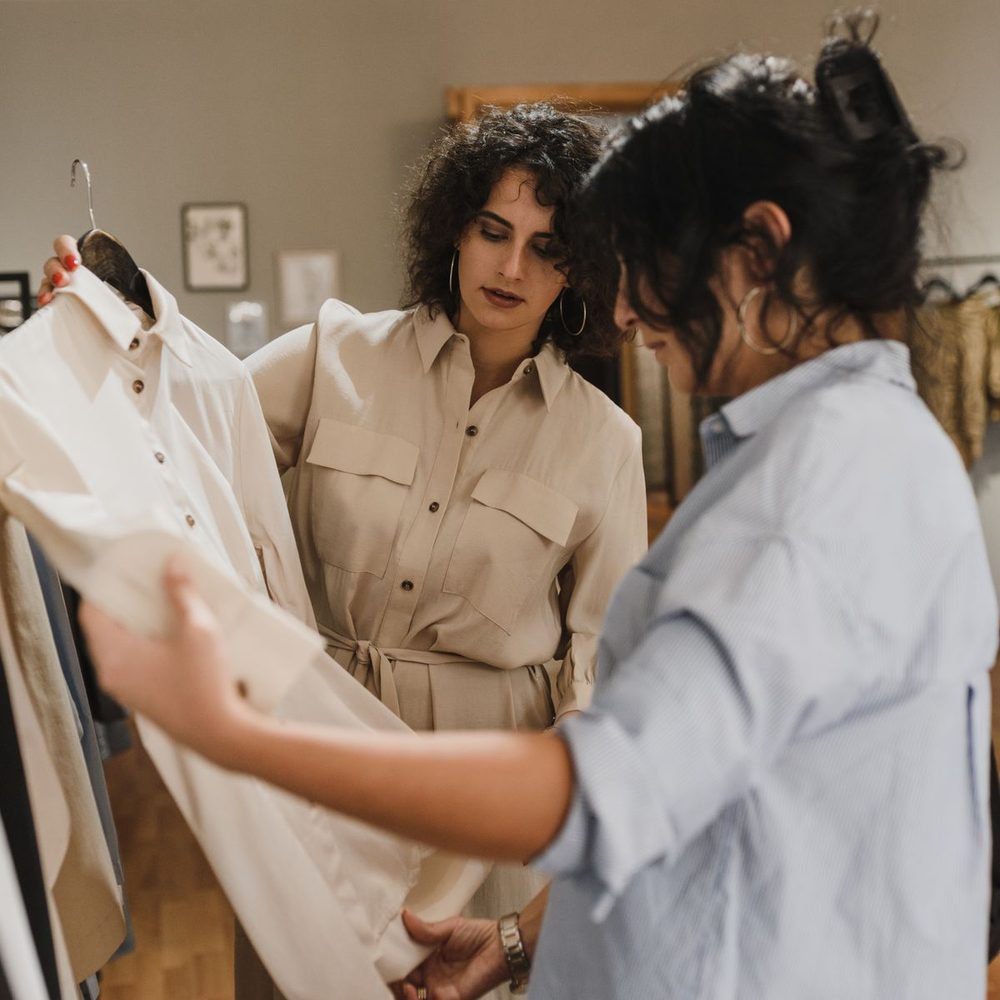
Local Storytelling
Buyers are telling stories as much as selling product. Handbags that connect to place or maker resonance sell better. If a bag is panel stitched nearby, highlight that with a tag and a short story about the crafted. If materials are sourced responsibly, explain the process in one clear sentence.
Incorporate your own voice into product pages and in-store tags. Shoppers want to know who made the bag and why it’s different. That connection drives loyalty and justifies a higher price point, especially in tight-knit communities.
Frequently asked questions
How many handbag styles should a small boutique stock?
What order minimums are reasonable for boutiques?
Which materials are easiest to care for in a boutique setting?
How should boutiques price new handbag arrivals?
Where to go next
Handbag trends boutiques should watch are less about chasing buzzy aesthetics and more about matching real customer needs with smart buying and merchandising. Focus on durable materials, versatile shapes, clear pricing tiers, and storytelling that connects shoppers to product.
If you want an easy place to start, check our curated retail tips, or reach out to discuss a tailored assortment for your shop via contact. You can find inspiration in our collection and contact us directly via contact.
Written by the Feel N Flow studio
Everyday handbags, chosen and shipped from Tucson, Arizona.