Bag charms and decorative straps are the simplest way to make a handbag feel like yours. When you layer charms and straps thoughtfully, a basic tote or crossbody becomes a curated piece that reflects your style without compromising function. This article breaks down the how and why, with specific materials, proportions, and real-world wear advice.
You’ll learn how to choose charms that play well together, pick strap combinations that stay comfortable, and attach everything securely so nothing jingles loose on a busy day. Whether you’re styling a work bag, a weekend market tote, or a small shoulder bag, these techniques will help you create a look that’s both stylish and practical. We’ll also cover care, coordination with outfits, and wholesale considerations if you’re a boutique buyer or retailer evaluating bag charms straps for your shop.
Why Layer Charms
Layering charms gives a bag personality without changing its silhouette. A few well-chosen pieces can signal color, mood, or season. Charms also help differentiate similar bags in a crowded closet, making it easier to grab the right one when you’re in a hurry.
From a design perspective, layering adds visual interest through contrast. Think about mixing textures—a smooth leather tag, a beaded chain, and a soft pom—so the eye moves across the bag. It’s more deliberate than a single statement piece and lets you adapt your bag to different outfits or functions.
Choosing The Right Scale
Scale matters because oversized charms can overwhelm small bags and tiny trinkets disappear on large totes. Start by comparing the longest dimension of the charm to the bag’s height. For small crossbodies under 8 inches tall, keep charms under 3 inches. For medium bags 9–12 inches tall, 3–5 inches works well. Large totes and weekend bags can handle charms 6 inches and up.
Also consider the strap drop and pocket placement. A charm that lands right over a zipper or phone pocket can get in the way. Before committing, clip a charm on with a safety pin or binder clip to observe where it sits while you move. That quick test prevents surprises later.
Materials And Weight
Charms come in metal, leather, acrylic, beaded, and fabric varieties. Each material changes how the charm behaves. Metal charms are durable but heavy, and layered metal pieces can pull a strap down or stretch a loop. Leather and fabric charms are lighter and develop character over time, while acrylic and resin are waterproof but can crack if dropped.
Pay attention to the total weight when layering. A single heavy charm may be fine, but three midweight metal pieces can exceed the attachment point’s tolerance. For delicate strap hardware, stick to lighter materials or distribute weight across two attachment points.
Mixing Colors And Textures
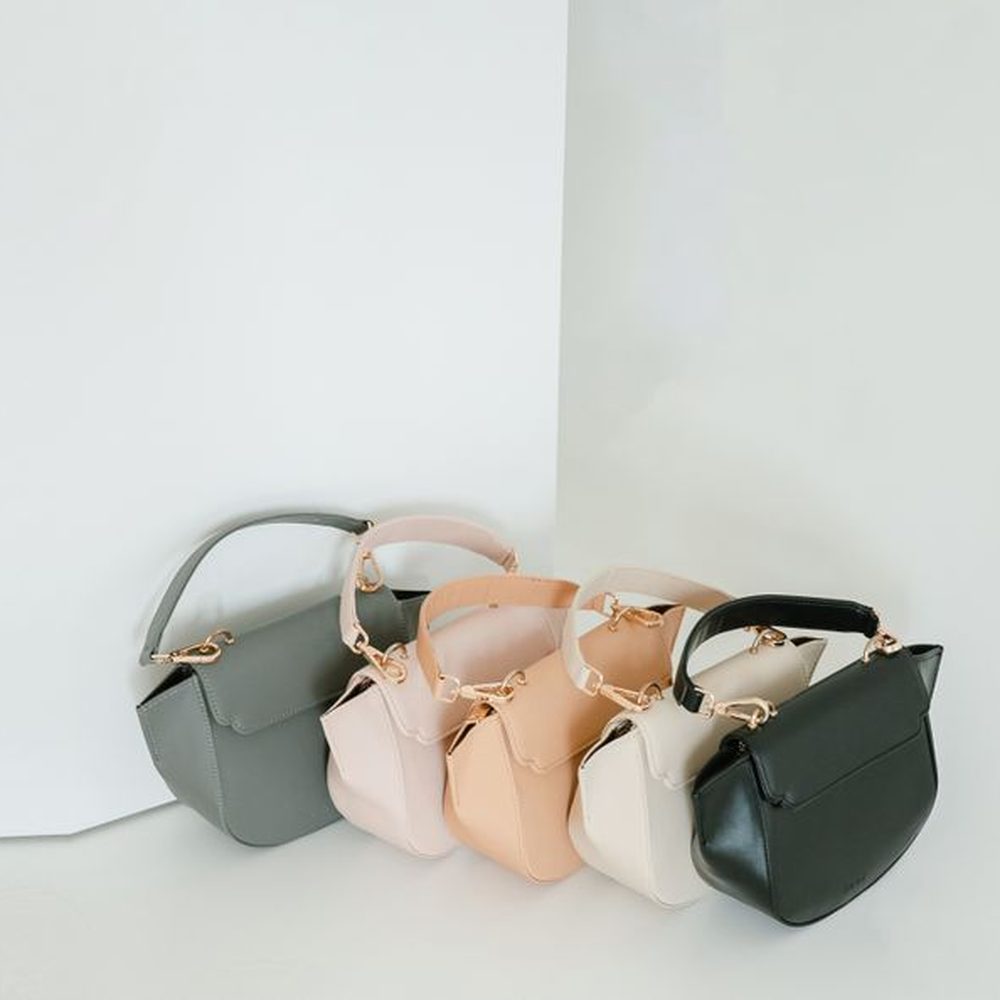
Start with one dominant color and then introduce 1–2 accents. If your bag is neutral, use color to make a statement. If your bag is a bold color, choose charms that either echo that hue or provide a deliberate contrast. Too many competing colors makes the look chaotic.
Texture should tell a subtle story. Pair smooth leather tags with matte metal and a pop of glossy acrylic for contrast. When working with patterned charms, keep scale consistent—small patterns with small charms, large motifs with bigger pieces. That balance keeps the ensemble coherent.
Strap Layering Basics
Layering straps is different from dangling charms. Straps change how you carry the bag and how it sits against your body. When combining straps, consider length, width, and attachment method. A wide canvas strap adds comfort and casual flair, while a narrow leather strap looks refined. Mixing a short shoulder strap with a longer crossbody strap gives you the best of both worlds, but the extra hardware needs tidy attachment points.
Practical tip: use quick-release clips or carabiner-style attachments for easy swapping. If you’re carrying heavier loads, choose a wider strap and anchor it to two attachment points to spread the weight. For bags with single-ring attachments, add a small D-ring or split ring to create a second anchor point and stabilize the strap.
Adjusting For Comfort
Always test layered straps while wearing a typical load. Straps that look fine on a hanger can pinch the shoulder when the bag is full. Make sure buckles don’t dig and that straps don’t slip off the shoulder when you move. Swap to a padded or wider strap for daily carry if you notice discomfort.
Combining Materials
Leather and canvas straps play differently with charms. Leather holds structure, so charms stay put. Canvas can sag and allow charms to slide. If you mix these materials, attach charms to the more stable strap or add small keepers that limit charm movement.
Attachment Methods
How you attach charms determines durability and noise. Key rings and spring clips are common, but they can open under tension if low quality. Consider split rings for a secure, theft-resistant option. Lobster clasps are convenient but test them periodically, especially when the charm swings frequently.
For delicate straps or woven handles, loop a leather smallet or metal washer around the attachment point, then clip the charm to that. This spreads the stress and protects the bag’s finish. If you run a boutique or wholesale charms and straps, include small instructions or a tag explaining the recommended attachment method; customers appreciate the guidance.
- Split rings for security
- Lobster clasps for quick swaps
- Leather washers to protect straps
Styling For Occasions
Work-appropriate charm layering should stay understated. Choose one metallic charm, one leather tag, and avoid long tassels that move while you’re typing. For evening looks, pick charms that add sheen and drama, like a mirrored acrylic or a metallic tassel, but keep the silhouette clean so the bag still fits under your arm.
Casual daytime styling can be playful. Mix beadwork, pom-poms, and color-blocked straps. For travel, prioritize function: add a durable luggage tag, a discreet bell for noisy public spaces, and a clip-on mini pouch for quick access items. Always test that charms do not snag on clothing, especially knitwear or delicate fabrics.
Seasonal Swaps
Rotate charm palettes with the seasons. Light pastels and raffia tags for spring, bright beadwork for summer, warm leathers for fall, and plush pom-poms or metal accents for winter. Changing a few pieces keeps your bags feeling fresh without buying new ones.
Care And Maintenance
Charms need occasional care to stay looking their best. Clean metal charms with a soft cloth and a drop of mild soap if needed, then dry immediately. Leather charms benefit from a light conditioner applied sparingly and tested on an inconspicuous spot first.
Store charms flat in a small pouch when not in use to avoid scratches and tangling. For layered strap systems, inspect attachment hardware every few months, tighten any loose screws or replace cheap clips that show wear. A little upkeep prevents replacement and keeps your bag presentation crisp.
Wholesale And Retail Notes
If you sell bag charms straps wholesale, present combinations rather than single pieces. Small curated sets—one durable clasp, two complementary charms, and a matching strap—make it easy for boutiques to merchandise and for customers to see a finished look. Include care and attachment instructions with each set to reduce returns and increase satisfaction. Pricing matters. Bundle pricing perceived as a better value, but keep margins healthy by using one higher-cost anchor piece and two lower-cost accents. When buying for a boutique, ask the maker for clear SKU groupings, suggested retail prices, and photos that show the layered look across multiple bag sizes. That helps buyers visualize inventory placement.
Frequently asked questions
Can charms damage my bag?
How many charms should I layer?
Are clip-on straps secure for travel?
How do I match charms to outfit colors?
Where to go next
Layering bag charms and straps is a small investment that makes your everyday bag feel considered and useful. With attention to scale, materials, and secure attachment, you can personalize your carry without sacrificing comfort or longevity. If you want inspiration or ready-made sets, check our latest bag options and styling suggestions on our shop and learn about our design story at our story. Retailers can contact us via our contact page and boutique locations at our stores. Questions about care or custom orders? Reach out via our contact page.
Written by the Feel N Flow studio
Everyday handbags, chosen and shipped from Tucson, Arizona.