Buying a leather bag feels like an investment. You want something that will age well, hold up to daily life and give you a little confidence every time you pick it up. The challenge is that leather comes in many grades, finishes and constructions, and not every product labeled “leather” will meet your expectations.
This guide explains how to tell real leather from synthetic and low-quality hides. We cover visual cues, touch and smell, simple tests you can do at home, and the realistic limits of each method. Whether you’re browsing in a store or deciding between two online listings, these practical checks will help you choose a bag that lasts and looks better over time.
Understand Leather Types
Before testing, it helps to understand the common leather types you’ll encounter. Full-grain leather retains the natural surface of the hide and shows the animal’s original markings and grain. Top-grain leather is sanded or corrected, which hides more imperfections and produces a more uniform look. Split-leather is the lower layers separated from the grain side and is often used for suede or bonded products.
Each type behaves differently. Full-grain develops a rich patina and resists tears, while corrected grain can look newer longer but won’t patina the same way. Suede and nubuck are softer but more vulnerable to water and stains. When you’re checking a bag, knowing which type you’re looking at sets realistic expectations for how it should age and how it should feel.
Look For Grain And Imperfections
Real leather, especially full-grain, shows natural irregularities. Small scars, insect bites, or uneven pores are normal. If a surface looks too perfect, with identical repeating patterns, it’s likely embossed or synthetic. Uniform texture can be attractive, but it’s also a sign the natural grain was corrected or the material is faux.
Examine edges and seams. Genuine leather edges often show a slightly rough, fibrous cut, whereas synthetic leather has a clean, plastic-like edge. On straps and inside pockets, check where the leather bends. Natural hides form tiny creases and variations in color at fold points; plastics will crack or show a consistent glossy finish instead.
Feel Texture And Weight
Touch tells you a lot. Real leather has a depth to it that synthetics can’t replicate. It should feel warm and slightly supple, not cold and plasticky. The surface often shows slight variations in softness; if the material feels uniformly smooth like vinyl, be cautious.
Weight matters too. Genuine leather bags tend to be heavier than faux pieces of the same size because leather is denser. That extra heft is a sign of substance, but remember hardware and lining also add weight. Compare similarly constructed bags to get a fair sense of what feels right for a quality leather product.
Use Simple At-Home Tests
There are a few non-destructive tests you can do at home. Gently pinch the leather and let it go. Real leather will wrinkle and show a slight change in texture, then slowly return. Synthetics often snap back quickly or maintain their original shape without the same subtle crease.
Another quick check is a water drop test in an inconspicuous spot. Genuine leather will absorb a tiny drop and darken briefly as it soaks in, while synthetic leather beads water on the surface. Don’t overdo this test; only a single, small drop is enough and avoid doing it on finished or coated leathers where absorption is blocked.
The Smell Test
Smell is a surprisingly reliable indicator. Real leather has a distinct, warm, slightly earthy scent that is hard to fake. Many faux leathers smell of chemicals or plastic, especially when new. Try to sniff inside pockets or under a flap where the scent isn’t masked by perfumes or finishes.
Heat And Flame
A flame test can identify synthetic materials, but it’s risky and not recommended for bags you care about. Synthetic leathers melt and produce a chemical smell, while real leather chars and smells like burnt hair. If you’re testing scraps or discarded material, handle with extreme caution and never do this on a complete product you plan to keep.
Check Construction Quality
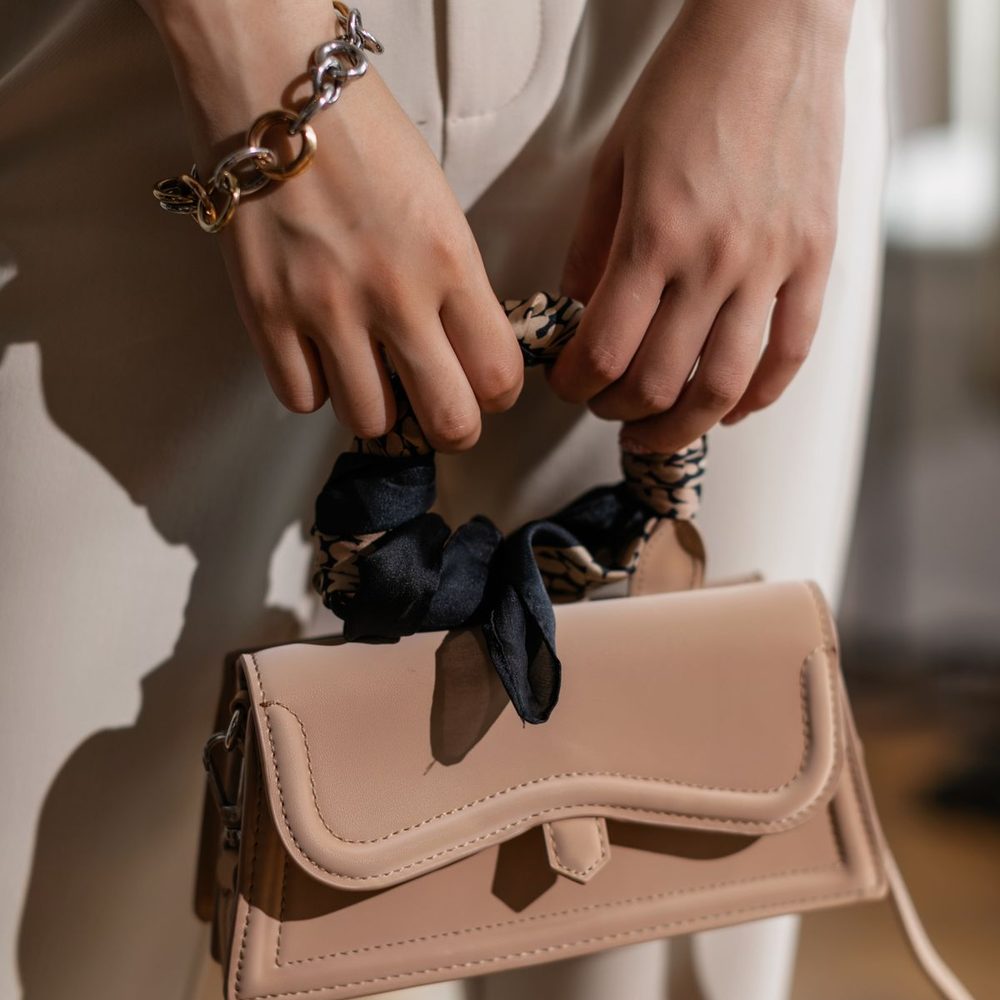
Leather alone doesn’t make a bag good. Construction is the other half. Look at stitching: tight, even stitches spaced uniformly show care and better long-term durability. Loose threads, skipped stitches or uneven seams indicate shortcuts. Examine stress points like strap attachments and zipper ends; these areas should be reinforced with rivets, extra stitching or folded leather.
Lining choice matters too. A sturdy canvas or quality fabric lining protects the leather and helps the bag hold its shape. Cheap flimsies tear quickly and allow internal items to wear against the leather. If the bag has glued or poorly finished edges, that’s a sign cost-cutting, even if the hide itself is decent.
Read Labels And Descriptions
Product tags and descriptions can be helpful when they are specific. Look for terms like “full-grain” or “top-grain” rather than the catch-all “genuine leather,” which legally can mean almost anything. Honest copy will often describe the hide’s origin, finish, or the type of tanning used. Vague phrases and marketing-heavy language without detail deserve skepticism.
When shopping online, good product photos are essential. High-resolution close-ups of grain, stitching and hardware tell you more than a glossed hero shot. If a listing doesn’t show interior photos or edge details, ask for additional images. Asking questions reveals how confident the seller is about the product and can clarify whether the leather is corrected, aniline, or pigmented.
Understand Care And Aging
Real leather benefits from simple care. Regular cleaning with a damp cloth, occasional conditioning, and avoiding prolonged water exposure will extend a bag’s life. Some leathers, like aniline and full-grain, will darken and develop a patina that many people find attractive. Others, like pigmented or heavily finished leathers, keep a consistent look but won’t age as dramatically.
Know the trade-offs. A leather that resists stains and moisture often has a surface finish that limits natural patina. If you prefer a lived-in look, choose full-grain or vegetable-tanned leather and accept the need for modest maintenance. If you want low fuss, pigmented or sealed leathers are practical but won’t develop the same character over time.
Spot Repairs
Minor scratches on quality leather can often be minimized with gentle rubbing or conditioning. Deeper gouges are harder to fix but are sometimes less noticeable after the leather softens and blends. Always test any product in a hidden area before applying across the whole bag.
When To Ask For Help
If you’re unsure, ask a knowledgeable salesperson or a leather specialist, especially for high-value purchases. A professional can point out tanning methods, finishes and likely longevity. You can also consult product reviews from verified buyers; real-world wear reports reveal how a leather behaves across months and years.
For online purchases, check return policy and shipping details before you buy. We ship from Tucson, Arizona and maintain clear return and shipping terms to help you make confident choices. If an online listing makes big claims about “full-grain” or “premium” without photos or a good return window, it’s reasonable to move on.
Frequently asked questions
Is "genuine leather" the same as real leather?
Will leather that absorbs water always be real?
Can I trust product photos to judge leather online?
How much does good leather add to a bag's lifespan?
Where to go next
Learning how to tell real leather takes a bit of practice, but the investment pays off when you choose a bag that lasts and looks better over time. Use the visual, tactile and simple at-home tests here as a checklist next time you’re comparing options, and don’t underestimate construction and finishing details.
If you want to see and feel different leathers in person, stop by our workspace or browse current styles online. We select and test each style carefully and ship from Tucson, Arizona, so you can shop with confidence. For more tips on materials and care, visit /blog, explore our current collection at /shop, read our story on sourcing at /our-story, or get in touch via /contact.
Written by the Feel N Flow studio
Everyday handbags, chosen and shipped from Tucson, Arizona.