Buying wholesale handbags for a small boutique feels equal parts exciting and risky. You want product that fits your aesthetic and sells through, but you also need margins, dependable quality, and reorder predictability. This guide walks through the buying process step by step so you make confident, profitable choices rather than impulse purchases.
We cover product selection, quality checks, pricing math, inventory planning, and relationship basics with makers. Along the way you’ll find concrete checklists and sample calculations you can use during buying appointments or when vetting new brands online. If you want to stock handbags that build customer loyalty and keep cashflow healthy, this is for you.
Know Your Customer
Start with a clear profile of the shoppers who walk through your doors. Are they commuting professionals who need structured totes, weekend explorers who want crossbody bags, or trend-driven customers who buy novelty clutches? Each group demands different materials, price points, and sizes. Retail decisions should be rooted in who actually buys from you, not general market trends.
Pull three months of sales, or at minimum your best-selling handbag styles, and note common elements. Look for recurring colors, strap types, and price brackets. Talk to staff who make sales, not just to buyers. They will tell you whether customers prioritize function, brand story, or the look. These insights narrow down which wholesale handbags to test first.
Set Clear Budget Rules
Wholesale buying moves faster when you have budget guardrails. Decide on a maximum purchase amount per brand, a target initial markup, and a safety buffer for returns or damaged goods. For many boutiques, an opening order per style of 4 to 12 pieces is typical. This gives enough variety without overcommitting to an untested SKU. Use simple math to translate your cost per bag into retail price targets. If a handbag costs you $35 wholesale, and your target keystone markup is 2.2x, retail price becomes $77. Most boutiques aim for a cost of goods around 30% to 45% of retail, depending on overhead. Put these numbers into a short spreadsheet so every buying decision is compared to consistent profitability criteria.
Evaluate Materials And Construction
Materials determine both perceived value and longevity. Leather, canvas, recycled materials, and synthetics each have distinct care needs and customer expectations. Inspect lining quality, seam reinforcement, hardware finishes, and strap attachment points. Small details like tidy edge paint, even stitching, and smoothly operating zippers reduce post-sale complaints. Ask the maker for a tech pack or specification sheet so you can confirm materials and measurements before ordering. If samples are available, handle them in person. Test the weight distribution by filling the bag with a few pounds of stock—does the strap feel secure, and does the base keep shape? These hands-on checks save returns and upset customers.
Sample Checklist
Request one or two samples per silhouette before committing to a full run. Inspect seams, pull hardware, and check the lining for strength. Test stain and water resistance yourself when a maker claims those properties.
Material Questions To Ask
Ask what type of leather or fabric is used, where it is sourced, and any special finishes. Inquire about colorfastness and recommended cleaning methods, so you can include accurate care tags at retail.
Understand Minimums And Lead Times
Wholesale minimum order quantities and lead times vary widely. Small designers may accept low minimums of 6 to 12 units per style, while larger factories often require bigger commitments. Lead time depends on current production schedules, material sourcing, and shipping method. Ask for firm timelines in writing and account for customs clearance if product ships internationally. Plan seasonal buys early. For spring and fall collections you should be placing orders months ahead of the selling season. For ongoing staples, staggered reorders keep inventory fresh and reduce cash tied up in slow-moving stock. If the maker offers partial shipments, use them to test customer response before committing to the full order.
Pricing For Profit
Wholesale handbags arrive at a cost that must be converted into a retail price that covers overhead and leaves room for promotions. Start with the landed cost per unit. Landed cost includes the invoice price, domestic shipping, duties and taxes if applicable, and a small allowance for insurance or customs brokerage. Divide your total landed cost by the number of units to get the true per-item cost.
Choose a markup strategy that matches your business model. Keystone pricing, where retail is approximately double wholesale, is common but not universal. Many boutiques use tiered markups, with higher percentages on fashion-forward items and lower on staples. Whatever you choose, test the price with a soft launch or by comparing similar items in your store. Monitor sell-through rates and be ready to adjust.
- Calculate landed cost: invoice + shipping + duties + insurance
- Set a target cost-to-retail percentage, usually 30%–45%
- Use a simple spreadsheet to model margin and breakeven
Sample Pricing Scenario
A bag costs $40 per unit at wholesale. Domestic shipping and duties add $5 per bag, so landed cost is $45. If you aim for 40% cost-to-retail, the retail price should be $112.50, which you can round to $110 or $115 based on pricing strategy and competitor benchmarks.
Inventory Planning And Mix
A balanced inventory plan blends core styles that sell steadily with a few trend pieces that create excitement. For a small boutique, a good starting mix could be 60% core staples, 30% seasonal or trend styles, and 10% experimental or limited runs. This mix reduces risk while keeping the assortment fresh.
When choosing quantities, consider store size, turnover, and visual merchandising needs. Smaller footprints need fewer SKUs with slightly higher quantities per SKU to avoid holes on the floor. Track sell-through weekly for the first eight weeks after arrival, then adjust reorder quantities based on real data rather than gut feeling.
Reorder Triggers
Set reorder points by sales velocity. If a style sells two units per week and lead time is eight weeks, you need at least 16 units on hand when you reorder, plus a safety buffer for popular colors.
Wholesale Terms And Negotiation If you have questions about wholesale practices or negotiating terms in general, please get in touch through /contact.
Understand payment terms before signing. Net 30 is common, but many small brands require payment upfront, especially for first-time wholesale customers. Ask about volume discounts, sample costs, and return policies. If a brand will accept returns for defective goods or slow-moving inventory, get the conditions in writing. Negotiate on minimums, not just price. A maker who reduces the initial minimum order lets you test styles without heavy cash outlay. Ask about exclusivity for your area, or at least a promise that they will flag new releases to you first. Clear communication about expectations prevents friction down the road, and good relationships often lead to better terms over time.
Negotiation Tips
Offer a firm reordering plan based on sell-through to encourage the maker to lower initial minimums. Be transparent about your customer profile and projected volumes.
Quality Control And Receiving
Inspect shipments immediately upon arrival and before you accept carriers if possible. Check counts, styles, and sizes against the packing list, and note any defects. Photograph damaged or missing items and notify the maker within their stated claim window. Having a consistent receiving process reduces disputes and speeds resolution. Create a simple defect log that records item SKU, problem description, photos, and the resolution steps taken. This documentation protects you during claims and helps the maker identify recurring production issues. For higher-value lines, consider random stress testing of straps and hardware on a sample from each batch to catch uniform production problems early.
Marketing And Merchandising
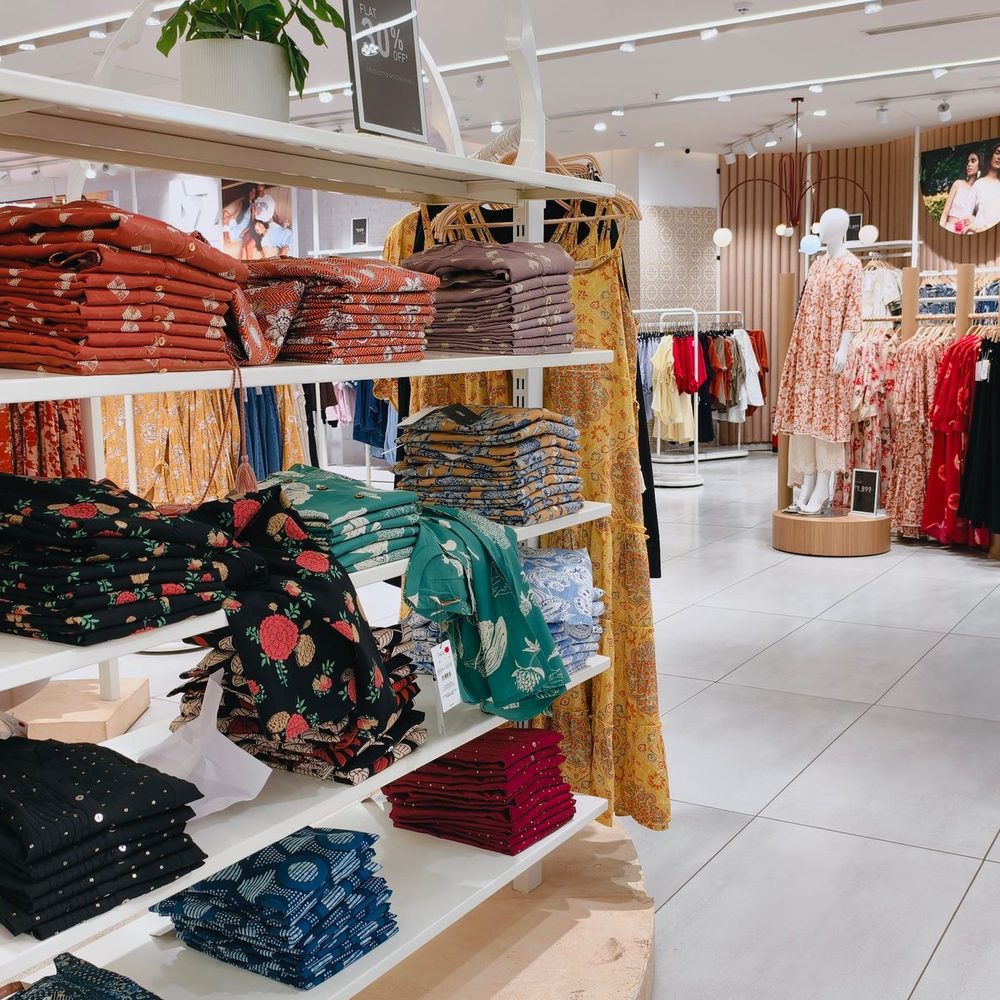
Handbags sell best when displayed so customers can touch and imagine use. Group bags by occasion and function rather than by color only. For example, create a travel station with weekender bags and crossbodies, and a work station with structured totes and laptop sleeves. Include price tags with a single-line care instruction and a short brand note to build confidence at the point of sale.
Plan simple launch promotions for new wholesale handbag lines. A launch might include a staff training session with key selling points, a featured display near the register, and a small email announcement to your loyalty list. Track which marketing moves correlate with sell-through so you can repeat what works.
Staff Training Focus
Teach staff three quick talking points: material and care, ideal user, and a lifestyle image. Role-play two common objections, such as price or perceived weight, and rehearse concise responses.
Frequently asked questions
How many handbag styles should a small boutique start with?
What is a reasonable wholesale markup target?
Should I always request samples first?
How do I handle a defective item?
Where to go next
Buying bags in bulk combines practical math, hands-on inspection, and steady relationships with the maker. With a customer-focused assortment, clear budget rules, and reliable receiving procedures, you reduce risk and build a curated handbag selection that sells. If you want more resources, start by contacting us to learn how we work with boutiques, or reach out to ask specific questions about quantities and lead times. Good buying decisions start with data and a little curiosity. Visit our contact page to begin, check our store locations at our stores for visual merchandising inspiration, and if you’re ready to see styles, browse the collection at the full collection. For buyer questions or to schedule a sample appointment, contact us through our contact page. You can also explore more insights in our journal at our blog.
Written by the Feel N Flow studio
Everyday handbags, chosen and shipped from Tucson, Arizona.