Placing your first wholesale order is a milestone, and it can feel equal parts exciting and nerve-rattling. Whether you design handbags, jewelry, or other patchwork goods, wholesale changes the way you think about production, cash flow, and retail partnerships. This article walks you through the decisions that matter most so you don’t learn everything the hard way.
We cover practical numbers, checklist items, and shipping basics you’ll actually use. I’ll show you how to calculate order quantities, how to budget for samples and shipping, and how to talk to buyers. Along the way I mention common pitfalls and how to avoid them so your first wholesale order supports growth instead of creating headaches.
Set Clear Goals
Start by defining what success looks like for this first order. Are you testing a new market, filling a single boutique, or launching into several stores? Your goals determine order size, how many styles you offer, and which price points you prioritize.
Write down measurable targets like units sold per month per store, minimum sell-through you’ll accept before offering markdown support, and a rough timeline for replenishment. Those targets keep decisions objective when a buyer asks for discounts or unusual terms.
Know Your Numbers
Wholesale works when margins are planned. Calculate cost of goods sold per unit first, including materials, production labor, packaging, labels, and a prorated portion of any overhead like studio rent or tools. Then set a wholesale price that leaves room for the retailer to markup, typically 2.2 to 2.5 times wholesale for the retail price.
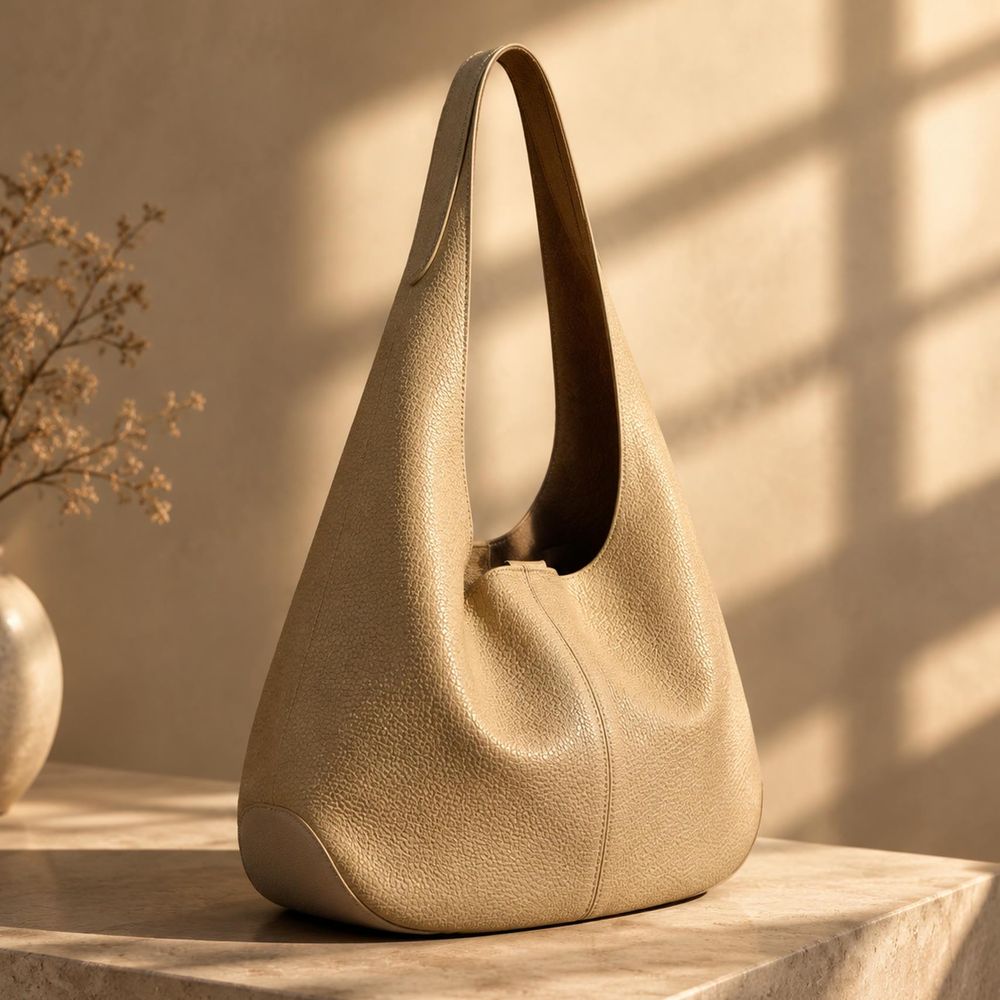
For example, if your total cost per bag is $28, a wholesale price around $56 to $65 supports a typical retail price in the range boutiques expect. Don’t undercut yourself to win an order; low wholesale prices make growth unsustainable. Track break-even and targeted profit per unit so you know the minimum acceptable wholesale price before you quote.
Decide Minimums And Mix
Buyers and makers often ask about minimum order quantities. As a maker placing a first wholesale order, pick a minimum that balances production efficiency and inventory risk. For small-batch producers, that might be 6–12 units per style, or a total order minimum of $300–$800 depending on price points.
Balance the assortment between core styles and one or two new pieces. Core styles should account for the majority of units so you don’t end up with slow-moving inventory. Include a variety of colors if color is a primary selling point, but avoid offering too many SKUs. Each extra SKU multiplies complexity in production, labeling, and shipping.
- Target 60–70% of units as proven core styles
- Offer 20–30% as fresh or seasonal styles
- Reserve 10% for special requests or store exclusives

Order Samples First
Place samples before committing to full production. Send accurate production samples to the retailer so they can assess materials, construction, and packaging. A sample reduces the chance of costly returns or complaints after a larger shipment arrives.
Budget for samples in advance, and include the cost in your wholesale calculations. Typical sample costs include the piece, expedited shipping, and any rush production fees. Treat sample approval as a formal step—get the buyer’s sign-off in writing before starting the main run.
Work Through Terms
Agree key terms before production begins. Important items to settle include payment schedule, returns and exchanges, delivery date, and who pays for freight. Standard payment terms for first orders are often 50% deposit on order and 50% before shipping, but smaller boutiques may ask to pay on delivery. Decide what you can accept.
Put every agreed item in a simple written invoice or purchase order. Include SKU-level quantities, wholesale price, expected ship date, packaging details, and penalties or remedies if either side cancels. Clear terms reduce misunderstandings and preserve relationships.
Plan Packaging And Labeling
Packaging matters to buyers. Small retailers need products that are retail-ready, meaning clear price tags or labels, hang tags if applicable, and simple, protective packaging. Decide whether you will provide polybags, hang tags, dust bags, or gift boxes, and whether those costs are included in the wholesale price or billed separately.
Labeling should include SKU, color name, size, and suggested retail price somewhere accessible to the retailer. Consistency here speeds store receiving and avoids exchanges. If you offer point-of-sale assets like photography or product copy, list those in your order confirmation as part of your wholesale services.
Bundling And Case Packs
Case packs are useful for simplifying orders. Instead of shipping individual SKUs, you can create predetermined bundles like three colors of the same style. Case packs speed picking and are preferred by many shops, but they reduce flexibility for stores wanting specific color mixes.
Decide case pack sizes that match your production and packaging workflow, and make sure they’re communicated on your purchase order so receiving is straightforward.
Shipping And Logistics
Shipping can make or break margins. Calculate freight costs for full pallets versus small parcels, and compare carriers and third-party logistics providers if you expect consistent wholesale volume. For a first order to a single boutique, parcel shipping is common, but the shipping method should match the order’s value and urgency.
Insure higher-value shipments and require signature on delivery when possible. If you’re shipping cross-border, add customs paperwork, duties, and lead time to your plan. Shipping delays cost retailers sales and your reputation, so choose reliable carriers and build a buffer into delivery promises.
Packaging For Transit
Use sturdy cartons sized to limit movement and protective fillers like paper or corrugated inserts. Bag each product to protect against moisture and scuffing. Clearly label cartons with destination and a simple packing list inside the box to help receiving at busy stores.

Communicate With Buyers
Good communication is the single best predictor of a smooth wholesale experience. Keep buyers updated on production progress, potential delays, and exact ship dates. Provide tracking as soon as it’s available and follow up after delivery to confirm receipt and gather initial feedback.
Ask for the buyer’s preferred point of contact and invoice format before the first order. Make a one-page selling sheet for the line so buyers can easily share it with store managers. If you have a wholesale portal or line sheet online, give them the direct link to that resource to reduce back-and-forth.
Frequently asked questions
How much should I order for my first wholesale run?
Should I offer net terms to new boutiques?
Do I need barcodes or UPCs on my products?
What if a store wants exclusive colors or terms?
Where to go next
A thoughtful first wholesale order blends realistic numbers, clear communication, and a bit of patience. Build your plan around proven styles, get samples approved, and write down the terms so both you and the buyer know what to expect. If you’d like guidance or downloadable resources, reach out with a question. We’ve worked through these steps with many independent boutiques and are happy to help you prepare your first order. trade inquiries contact us our blog the full collection our stores
Written by the Feel N Flow studio
Everyday handbags, chosen and shipped from Tucson, Arizona.