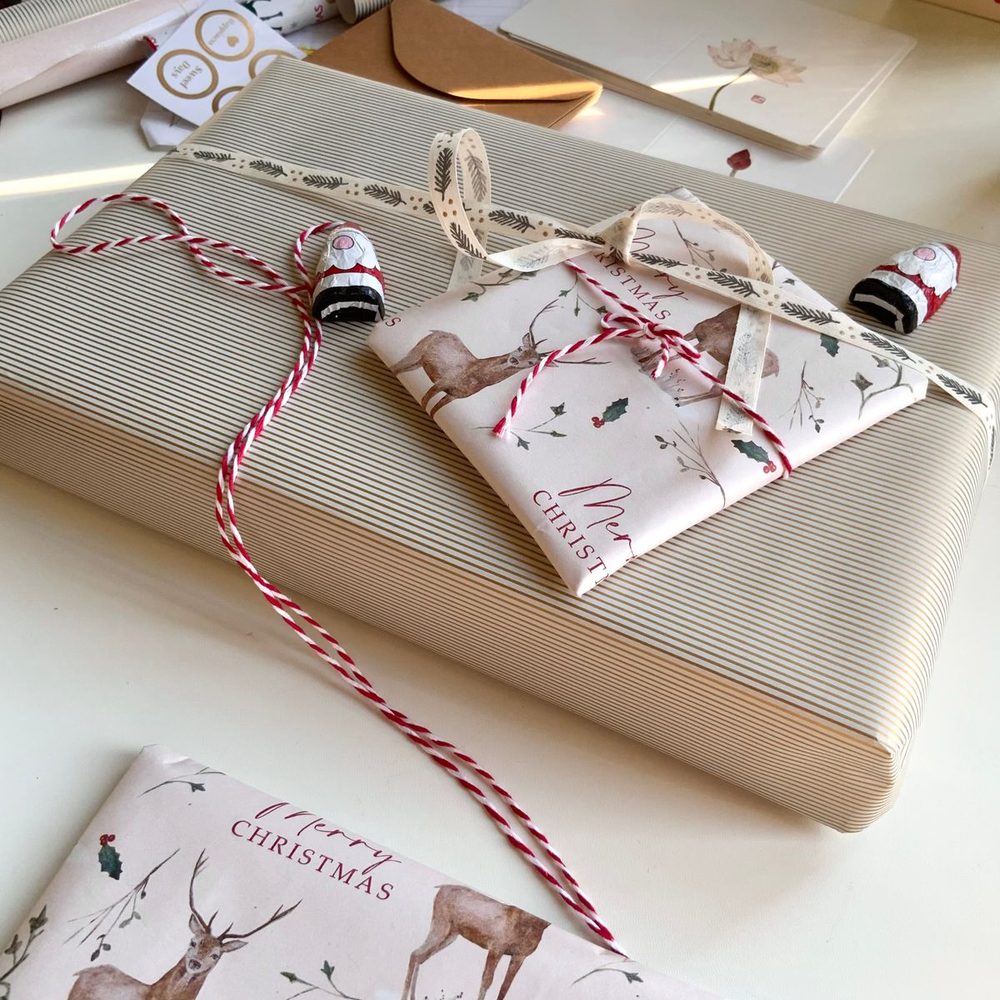
Packaging is the first thing a retailer touches when they unpack your shipment, and often the first thing a customer sees on the boutique floor. Thoughtful bag packaging reduces returns, protects product, and communicates your brand without adding unnecessary cost. This article breaks down the elements that matter to retailers, from materials and sizes to labeling and wholesale-ready prep.
We’ll cover practical specs, cost-saving choices, and presentation tactics that reduce friction for shop buyers and staff. Whether you sell direct to consumers or to independent boutiques, these guidelines will help you create bag packaging that stores appreciate and customers remember.
Why Packaging Matters
Packaging is not just pretty filler. Good bag packaging protects your product during transit, simplifies handling for store staff, and reduces the time a retailer spends preparing items for display or sale. A well-considered package can also lower damage-related costs and signal quality to shoppers at the moment of unboxing.
Retailers are juggling backstock, limited shelf space, and quick turnarounds. Packaging that’s consistent in size, easy to open, and clearly labeled saves them minutes per item. Those minutes add up across dozens of styles and shipments, so your choices directly affect whether a buyer wants to reorder.
Materials That Work Best
Choose materials that balance protection, cost, and sustainability. Recycled kraft paper bags are economical, sturdy, and compostable in many systems. Lightweight woven cotton dust bags elevate perceived value while protecting leather and fabric, but they’re more expensive and take more space. Clear poly bags are cheap and protective, but some retailers avoid them for sustainability reasons, so offer alternatives or use recycled content plastics with clear labeling.
Think through the product: structured leather bags need stiffer packaging like bubble-lined mailers for transit and a soft dust bag for storage. Slouchy totes can ship in recyclable poly mailers. If you choose tissue paper for presentation, consider unbleached or recycled tissue. Include ingredient-like details on a small care card so retailers can answer customer questions without opening every bag.
Sizing and Consistency
Standardize sizes across SKUs where possible. Consistent packaging makes boxes and storage racks predictable for buying teams and reduces wasted space. Create a small range of sizes — for example, small clutch, medium crossbody, large tote — rather than a unique size for every style.
Provide exact dimensions and folded depth on your wholesale sheet so stores can estimate shelf and backstock needs. If your bags compress well, list both packed and expanded dimensions; that helps retailers plan display space and shipping calculations. Consistency also speeds up receiving, because staff learn how long each box should take to unpack.

Labeling Retailers Need
Retailers don't want to guess what’s inside a package. Use clear, durable labels with SKU, style name, color, size, and suggested retail price. Add a barcode or simple numeric code that matches the invoice and inventory sheet. Place labels on both the outside shipping carton and on the product bag so items can be scanned or identified without opening every package.
Include a packing slip that groups items by purchase order and shows total units per SKU. For wholesale, add a simple merchandising note when helpful, for example, "hang on 2-hook peg" or "display folded on low shelf." Those small instructions reduce hesitation and make stocking faster.
Presentation That Sells
Retailers appreciate packaging that makes products display-ready. A clean dust bag with a sewn logo, a small hangtag with care instructions, and a neatly folded product save staff time. Avoid excessive filler that needs to be removed before display; instead use tidy tissue or a simple wrap that complements the product.
For boutiques that sell gift-ready items, include a small, neutral gift sticker or a compact kraft box option. Offer tiered packaging: standard (protective, minimal), upgraded (branded dust bag, tissue), and retail-ready (display box). This lets buyers choose based on their clientele and margin expectations.
Cost and Wholesale Math
Packaging affects your product cost and the retailer’s margin. Calculate packaging cost per unit and add it to your cost of goods sold. For wholesale pricing, present both the landed cost to the retailer and the suggested retail price so buyers can quickly calculate margin. Be transparent, and show how an upgraded packaging option changes the numbers.
Bulk buying can lower per-unit packaging costs. Consider flat-rate price tiers for packaging upgrades so retailers can opt in without a complicated per-unit negotiation. For example, offer custom dust bags in minimums of 50 or 100 units to keep your production economical. Clear cost breakdowns build trust with buyers and make reorder decisions easier.
Calculating Per-Unit Cost
Add material, labor, and any artwork setup amortized across your order to determine per-unit packaging cost. If a dust bag requires a screen-print setup charge, divide that setup across the number of units in the run to get true per-unit cost.
Share these numbers with wholesale buyers if asked. When they see the components of cost, they’re more likely to accept a reasonable wholesale markup tied to higher-quality packaging.
Sustainability Without Compromise
Sustainable packaging is increasingly expected, but "green" claims must be specific. Instead of saying recyclable, state the material — recycled kraft paper, 30% post-consumer recycled poly, or organic cotton dust bag. Note any certifications if applicable, but avoid vague language that sounds like marketing.
Balance sustainability with durability. An item that arrives damaged because its packaging failed creates waste downstream. Use recycled and durable materials where possible; for example, a recycled poly mailer for transit and a compostable paper dust bag for storage. Offer stores the option to opt out of retail-ready inserts if they prefer to use their own sustainable gift wrap.
Practical Reuse Ideas
Design packaging so retailers can reuse it in-store, for example as return pads or gift wrapping. A neutral kraft bag with a simple logo can double as a shopper bag or refill bag for returns.
Share reuse ideas on your wholesale product page or in the packing slip. A note like "reuse tissue for in-store gift wrapping" makes the value obvious to busy store staff.
Packaging For Shipping
Differentiate between retail packaging and shipping packaging. Shipping cartons need to protect goods and fit carrier size limits to avoid oversized fees. Use right-sized cartons and void-fill that limits movement. For heavy or structured styles, consider double-boxing or reinforced edges to prevent crushing.
Label shipping cartons clearly with fragile or top-load instructions when necessary. Include a copy of the packing list and a return authorization card in every box so retailers can process returns or exchanges quickly without waiting for inbound paperwork.

How To Test Your Packaging
Run simple tests before committing to a production run. Pack a dozen samples, put them in a mock shipping carton, and ship them via your normal carrier. Inspect for crushing, staining, or shifting. Time how long it takes a person unfamiliar with the product to unpack and prepare it for display.
Collect feedback from a few of your current retail partners. Ask what they like, what slows them down, and whether they prefer different materials. Real-world feedback beats assumptions and helps you refine packaging to be truly retail-friendly.
Common Retailer Requests
Retailers often ask for items pre-tagged, with hangtags placed so scanners can read barcodes without removing the tag. They may also request color-coordinated tissue or an option to ship unbranded packaging for boutique privacy.
Be prepared to offer simple variations. A short checklist at order entry — pre-tagged yes/no, upgraded packaging yes/no, unbranded shipping yes/no — makes it easy for wholesale buyers to communicate needs without back-and-forth.
Frequently asked questions
What should I include on a wholesale packing slip?
How many packaging size variations are ideal?
Should I offer branded dust bags to retailers?
How do I communicate sustainable packaging choices?
Where to go next
Great packaging removes friction for retailers and adds value for customers. Start with durable, clear materials, and standardize sizes so buyers can plan space and cost. Offer sensible upgrades like branded dust bags and make labeling and paperwork as simple as possible.
If you have wholesale questions, get in touch through our contact page, and check our journal for more retail-focused posts. If you have a specific packaging challenge, reach out and we’ll walk through practical options together.

Written by the Feel N Flow studio
Everyday handbags, chosen and shipped from Tucson, Arizona.