If you sell handbags in a retail shop or through independent boutiques, how you merchandise bags directly affects what shoppers buy together. This article walks through proven, practical strategies that increase average basket size without resorting to gimmicks. You’ll get layout tips, bundling ideas, pricing guidelines, and wholesale display approaches that work for small and mid-size stores.
We write with the shop owner in mind. Whether you manage a downtown boutique, market at pop-ups, or are onboarding wholesale partners, these methods help you present handbags so customers notice them, touch them, and add extras at checkout. Expect specific examples, suggested dimensions, and math you can use the next time you reset a table or send a sample box to a buyer.
Start With Clear Goals
Before you rearrange shelves, set measurable goals. Are you focused on increasing average order value, moving slow styles, or encouraging add-on accessory sales? A clear goal determines the merchandising tactics you’ll use, such as cross-selling, upselling, or seasonal promotions.
Pick one numeric target, like a 10% rise in average basket size or selling two accessories with each bag purchase. Track weekly to see what works and what doesn’t. Use your point-of-sale reports or simple spreadsheet tracking, and give any new setup at least three weeks to gather meaningful data.
Shop Layout Principles
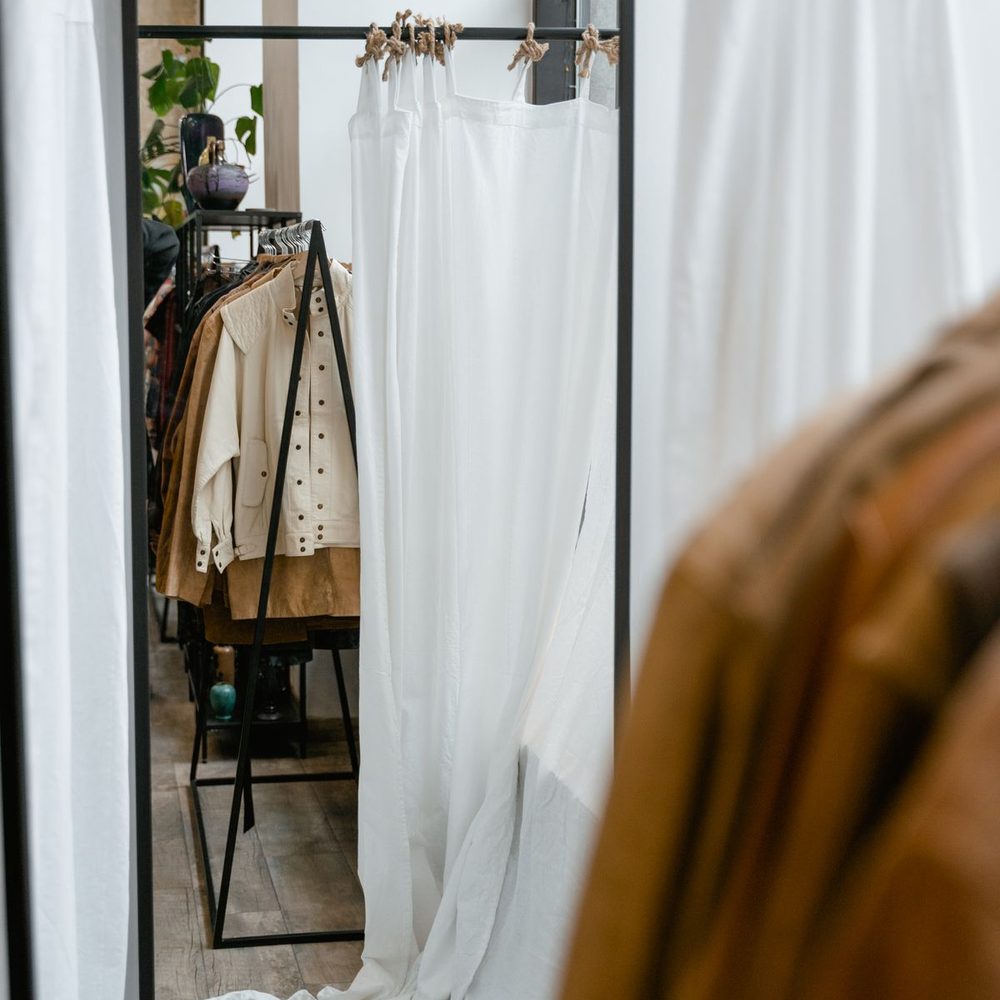
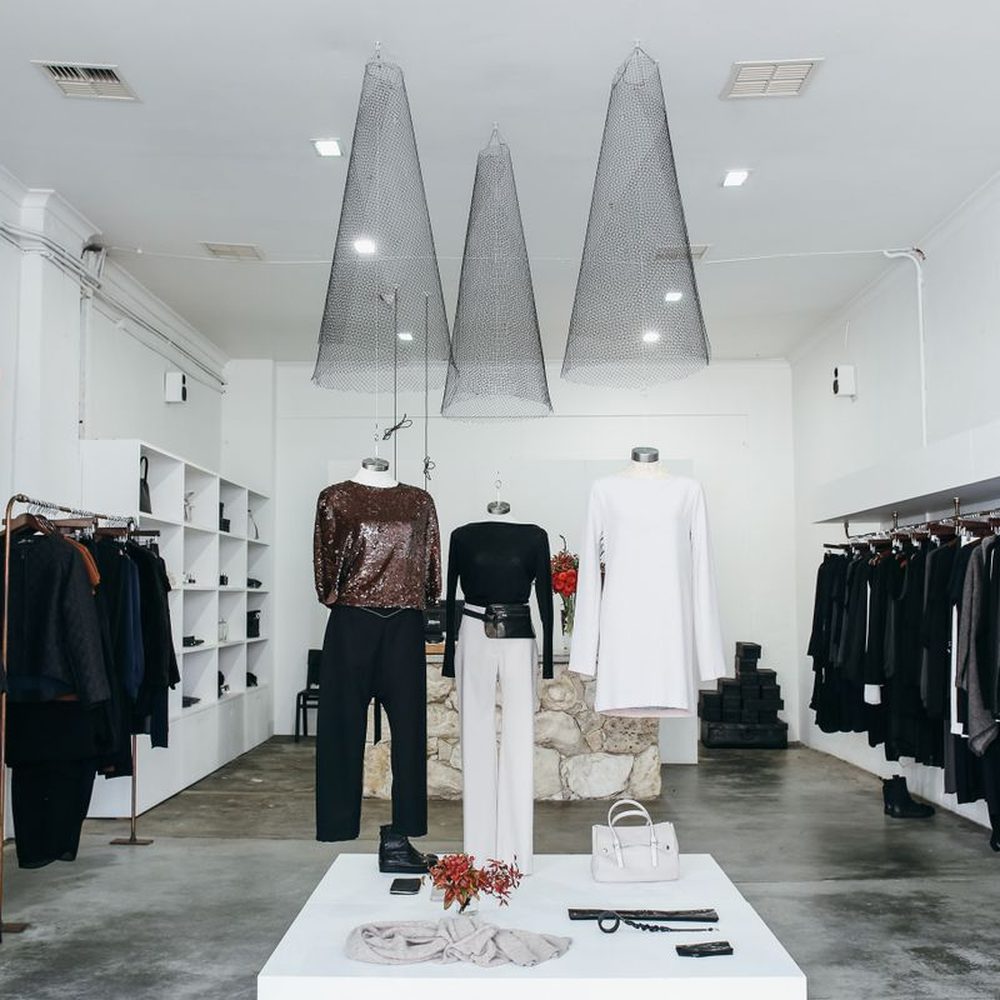
Shoppers see a few focal zones first when they enter a store. Use the right-hand sightline and the front window to feature complete outfits built around a bag. Place high-margin or new bags in these sightlines to draw attention and set aspirational context.
Create micro-rooms or vignettes where a bag is shown with suggested companions such as scarves, wallets, or sunglasses. When a bag is presented as part of an outfit, customers mentally “complete” the look, increasing the likelihood they will add complementary items to their basket.
- Use three price points in each vignette to cover budget, mid, and premium choices
- Keep one focal bag per vignette, supported by 2–3 accessories
Product Grouping
Group bags by use rather than only by style or color. Shoppers choose differently when they’re shopping for a work bag, travel bag, or weekend tote. A ‘commute’ wall with crossbody bags, laptop sleeves, and insulated beverage holders invites bundled thinking and increases add-on sales.
Within each group, arrange items by size and price. Place small accessories like keychains and card holders at eye-to-hand level near the bags. These low-cost items are easy impulse buys and lift average order value with minimal friction.
Sizing and Spacing
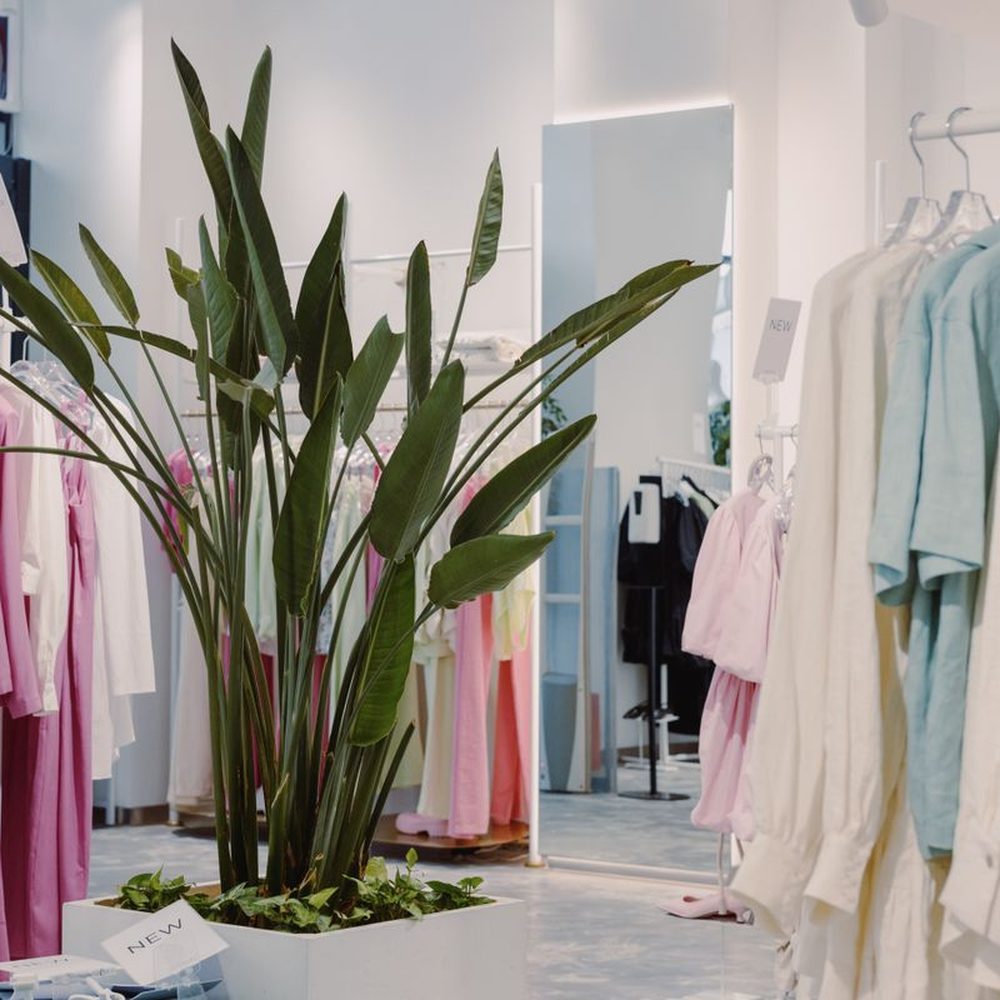
Leave breathing room between bags, about 4 to 6 inches on display shelves, so each piece reads individually. Overcrowding looks cheap and makes it harder for customers to visualize carrying the bag.
For table displays, use risers of 2 to 8 inches to vary elevations. A simple rule is to limit each table to 6 to 10 bags depending on table size, paired with 3 to 6 accessories so the display feels abundant but curated.
Color and Texture
Group neutrals together and create pockets of color to attract attention. Texture contrast helps, so pair leather with woven or canvas pieces to show versatility. Shoppers are more likely to add a smaller accent piece when it complements the main bag visually.
Pricing And Signage
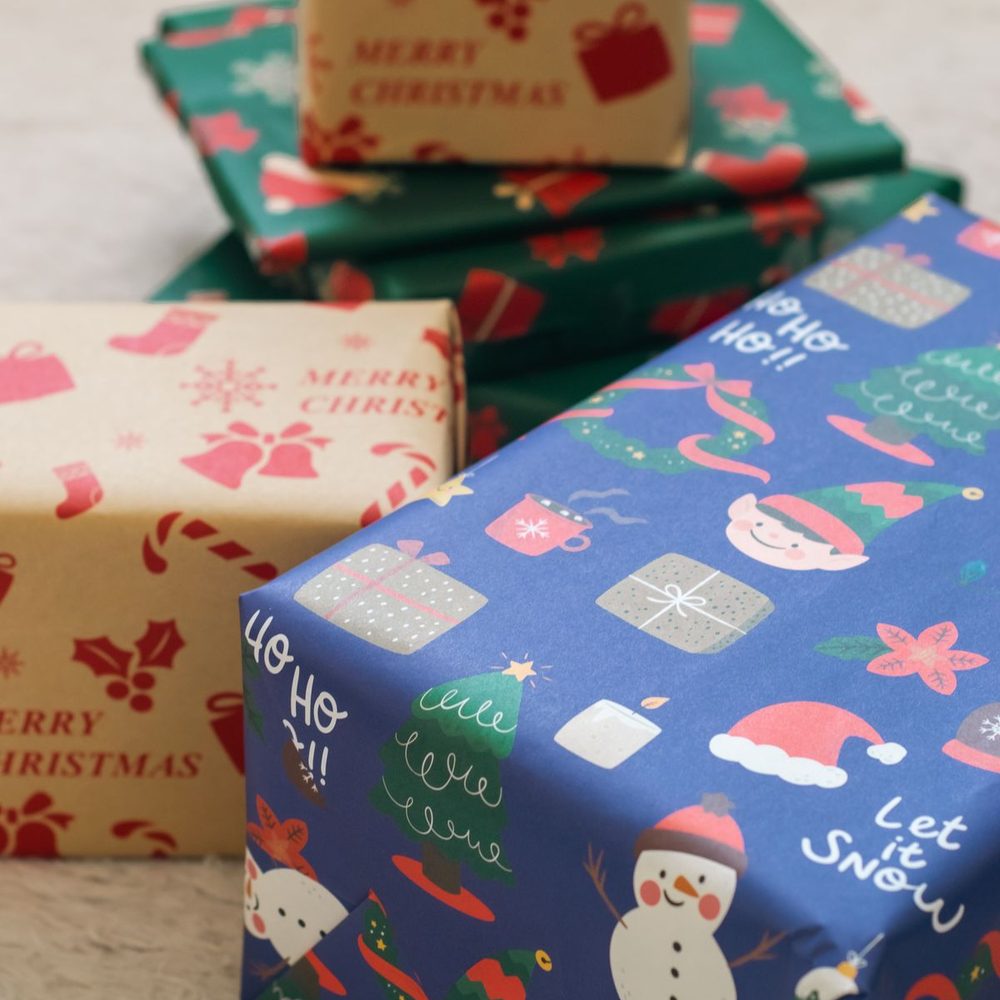
Clear pricing reduces friction. Use small, consistent signs that list price and a one-line callout such as ‘Fits 13” laptop’ or ‘Water-resistant lining’. Callouts should answer immediate shopper questions and reduce the time they spend considering the item.
Use tiered pricing to make add-ons feel rational. For example, if your average bag sells for $150, a $30 leather card case or a $45 crossbody strap feels like a reasonable addition. Highlight savings when customers buy a set, for example $10 off when a wallet and bag are purchased together.
Strategic Bundling
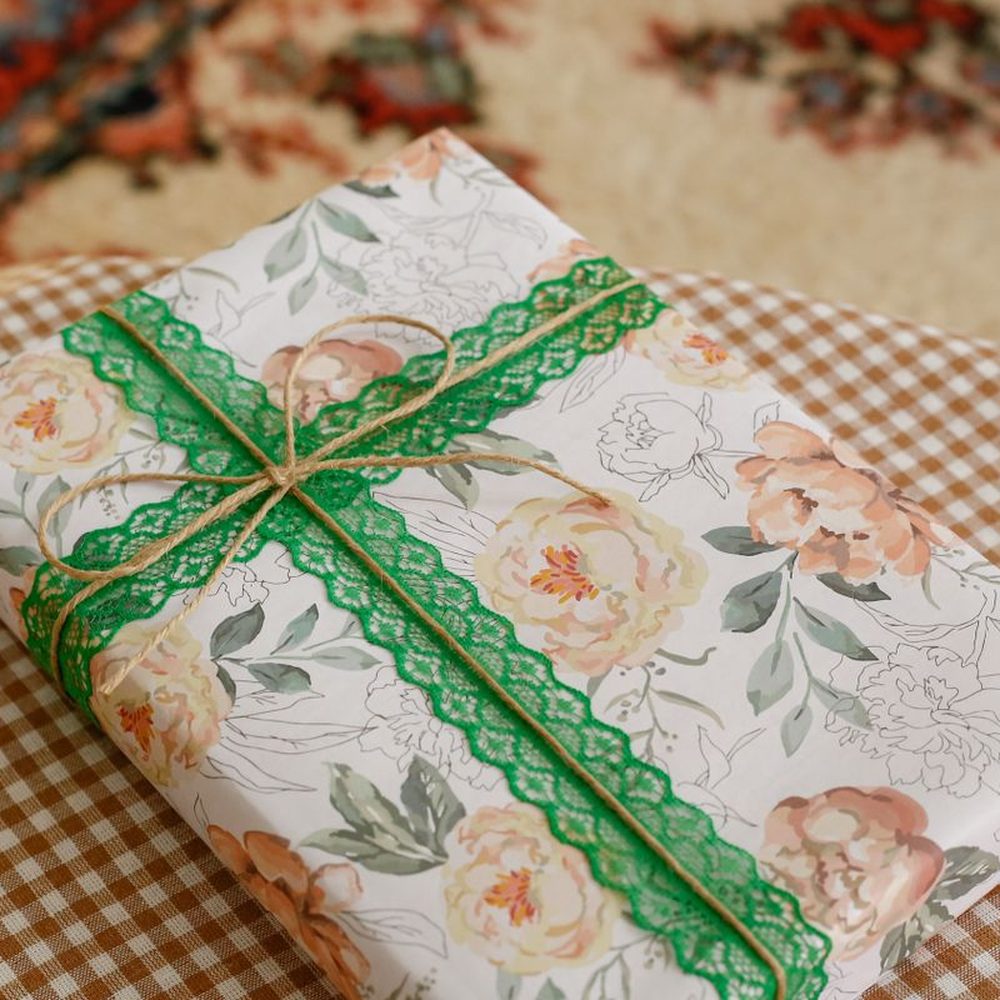
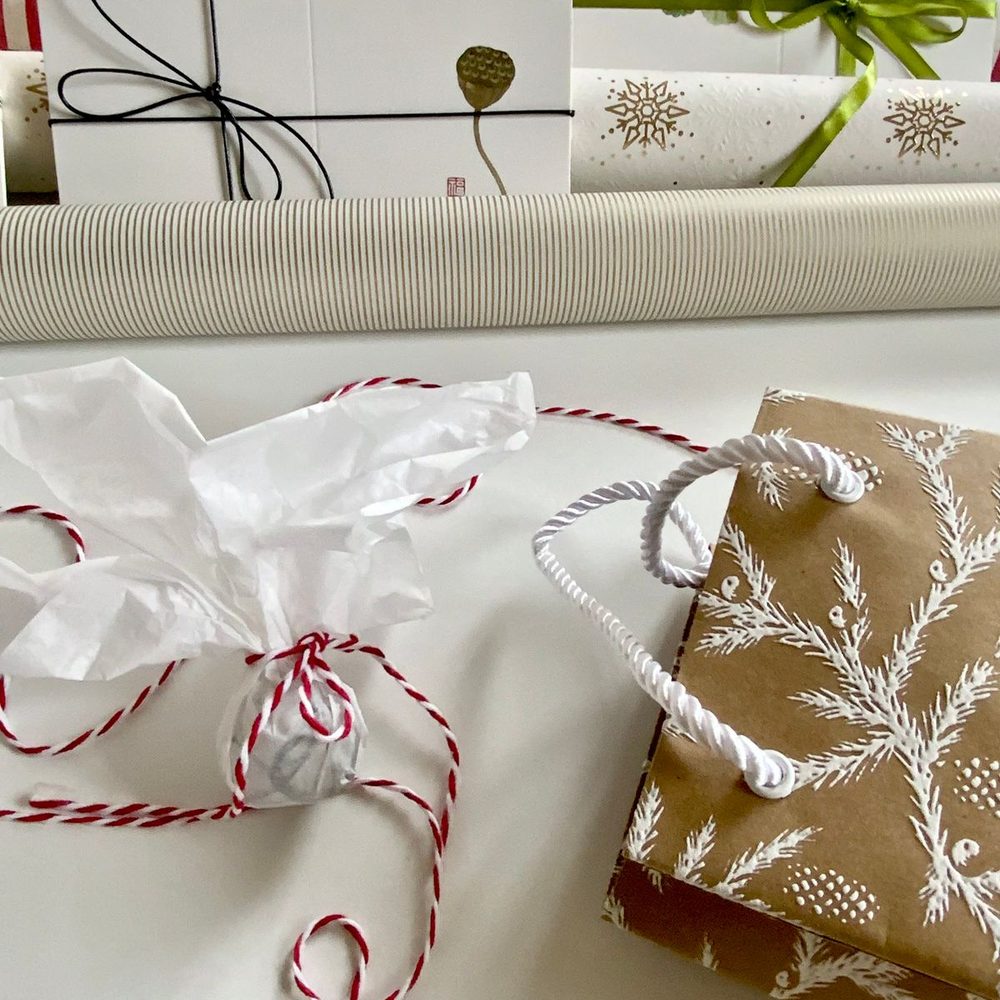
Bundling is one of the most direct ways to increase basket size. Offer three sensible bundles: starter, curated, and gift-ready. A starter bundle could be a small crossbody plus keyring. A curated bundle pairs a tote with a matching pouch and strap. A gift-ready bundle includes a bag wrapped with tissue and a small care kit.
Keep bundles flexible. Allow customers to swap colors or select different accessory combinations while keeping the bundle discount. For wholesale buyers, provide pre-packed bundles and an option to buy the components individually so retailers can create their own combinations in-store.
- Starter: bag + keychain, small discount
- Curated: bag + pouch + strap, medium discount
- Gift-ready: bag + care kit + gift wrap, premium price
Wholesale Bundles
When selling wholesale, offer bundle packs that make retail displays simple. For example, a retailer can purchase 3 starter bundles, 2 curated bundles, and 1 gift-ready bundle per display unit. Include a suggested retail price and margin expectations so boutique buyers understand the economics quickly.
Cross-Sell Tactics
Train staff to make quick, low-pressure recommendations. Instead of a general prompt, teach associates to say specific things like, ‘This tote fits a 15” laptop and this sleeve matches the interior color.’ Specifics make the cross-sell feel useful, not salesy.
Use checkout placement to catch last-minute add-ons. Place small, low-cost accessories near the register where they are easy to grab. Rotate these items frequently so repeat customers see something new each visit, which keeps impulse add-ons fresh.
Staff Scripts
Provide two short scripts that feel natural. Script A: ‘If you like this tote, the adjustable strap makes it hands-free for errands, shall I add one to hold it now?’ Script B: ‘Many customers add the leather care kit with a natural bag, it keeps the finish looking new—would you like me to include it?’
Role-play these scripts in staff meetings to increase comfort and keep the wording concise.
Displays For Larger Baskets
Design display units that nudge shoppers to consider more items together. A three-tiered island display works well for this. Top tier holds a hero bag, mid tier shows matched accessories, and bottom tier stores functional items like umbrellas or packing cubes. The vertical arrangement encourages the eye to move and consider the supporting items.
Use suggested pricing tags that show component prices and the bundled price. A shopper can do the math in seconds and see the savings, which removes hesitation and increases the likelihood of adding the extra pieces to their basket.
Online And Wholesale Presentation
Your online product pages and buying guides should adopt the same merchandising logic as your physical displays. On each product page, show 2 to 3 suggested add-ons with close-up photos and a short reason to buy them together. Offer bundle SKUs so online shoppers can add everything in one click.
For wholesale, send a digital merchandising guide with each sample box. Include suggested floor plan layouts, display photos, price tiers, and bundle SKUs. Buyers appreciate ready-made merchandising plans because they shorten the time from receiving samples to selling product on the floor.
Digital Assets
Provide retailers with high-resolution photos of vignettes that match the sizes of typical boutique shelving. Include suggested POS copy and printable shelf talkers sized 3x5 inches. These assets make it easier for stores to replicate your merchandising and increase basket size consistently.
Measure And Iterate
Track the right metrics: average order value, units per transaction, and accessory attachment rate, which measures how often an accessory sells with a bag. Review these weekly for the first six weeks after a display change, then monthly afterward. Small changes in layout or signage can produce measurable gains.
Do controlled tests when possible. Change one variable at a time, for example moving accessory placement or testing a bundle discount. That way you can attribute lifts or declines to specific tactics and refine your approach with confidence.
Frequently asked questions
What small accessories sell best as add-ons?
How should I price bundles for retail?
How many items should be in a tabletop display?
What do wholesale buyers need most from a brand?
Where to go next
Merchandising bags to increase basket size is about thoughtful presentation, sensible bundles, and making buying decisions easy for customers and wholesale buyers. Use clear goals, curated displays, and repeatable assets to create consistent lift in both brick-and-mortar and online channels. If you’d like a customizable merchandising guide or sample display photos for your shop, reach out. We’re happy to share ready-to-use assets and bundle suggestions that help retailers sell more and simplify visual merchandising. Visit contact us to get started, and see current styles at our shop or plan a visit through store locations.
Written by the Feel N Flow studio
Everyday handbags, chosen and shipped from Tucson, Arizona.