Getting your price right matters. Price too low and you undercut your margin, burn out on production, and make it hard to scale. Price too high and your product may never find its customer. Handbag retail pricing sits at the intersection of cost accounting, brand positioning, and market realities — and it’s where many small brands trip up.
This article walks you through a practical, repeatable approach to pricing handbags for retail. You’ll get step-by-step math you can plug your numbers into, guidance on setting wholesale and retail relationships, and clear rules of thumb for packaging, shipping, promotions, and seasonal markdowns. If you sell direct, wholesale, or plan to, this is meant to be a field guide you can return to each season.
Start With True Costs
The first step in handbag retail pricing is understanding true unit cost. Don’t stop at fabric and hardware. Include pattern-making, sample revisions, sewing labor, trimming, lining, labels, packaging, quality control, and the share of studio overhead like rent, utilities, and equipment depreciation. If you use contractors or small-batch factories, include minimum-order extra costs amortized per unit.
A simple worksheet helps: list every input and assign a per-unit cost. If a zipper or lining is bought in bulk, divide total spend by usable pieces. For labor, record the average time to make one bag and multiply by your hourly rate — use a rate that reflects what you need to pay to hire or replace yourself.
- Materials (leather, fabric, lining, hardware)
- Direct labor per bag
- Packaging and labels
- Overhead allocation (rent, utilities, tools)
- Shipping to you and returns handling
- Sample and development amortization
Add Overhead And Margin
Once you have a total cost per bag, add a reasonable overhead allocation. Overhead can be calculated as a percentage of costs or as a fixed per-unit amount. For small lines, an extra 10–25% added to the cost per unit for admin, marketing, website fees, and ongoing product development is common, but calculate what your business actually spends.
Next, decide your target gross margin. Many independent handbag brands target a retail gross margin between 55% and 70%, meaning retail price minus cost equals that percentage of retail. That range supports marketing, staff, store relationships, and healthy retailer partnerships. Be explicit about your target; it will guide both retail and wholesale pricing.
Retail Pricing Math
There are two common ways to calculate retail price. The first is cost-plus: take total cost per bag, add overhead, then multiply by a markup. If your total cost is $60 and you want a 2.5x markup, retail price is $150. The second is margin-based: set your target gross margin and solve for price. If your total cost is $60 and you want a 60% gross margin, retail price is cost / (1-margin) = 60 / 0.4 = $150.
Both methods reach the same number when used consistently. Margin-based pricing is more useful when you need to ensure a specific percent of revenue covers operations. Always check the final price against market expectations and competitor ranges. If your math produces an outlier, revisit costs, materials, or positioning.
- Cost-plus: cost x markup
- Margin-based: cost ÷ (1 − target margin)
- Compare with competitor price ranges
Example Calculation
Say materials and labor equal $55, overhead adds $10, total cost is $65. You want a 60% margin. Retail price is 65 ÷ 0.4 = $162.50. If your target margin feels too high for the market, consider design changes that reduce materials by $10, which lowers retail to 55 ÷ 0.4 = $137.50.
Wholesale Pricing Rules
Wholesale pricing is a different conversation. Standard wholesale terms often mean retailers pay 50% of the suggested retail price, sometimes called keystone pricing. To work backward from a retail price, set wholesale at 50% of retail, then verify you still hit your target margin after discounts, shipping to retailers, and any trade fees.
If a retail price of $160 produces a wholesale of $80, your cost must be low enough to leave margin for both you and the retailer. Many brands use a 2.2–2.5x multiplier on total cost to set retail, then offer wholesale at 50% of that retail. Another approach is cost plus a fixed markup for wholesale, but this makes retailer buy-in harder unless the product is very compelling.
Minimum Order Quantities
Decide a minimum order quantity (MOQ) for wholesale that covers your production setup and keeps the unit cost manageable. MOQs should balance retailer willingness with your economic needs. For smaller boutiques, offer a lower MOQ at slightly higher per-unit prices; for larger orders, provide tiered discounts.
Promotions And Markdown Strategy
Plan markdowns ahead of time. Handbags often have longer seasonal life than apparel, but that doesn’t mean you should discount without a strategy. Set maximum markdown levels and a timeline for promotions. For example: first markdown at 20% after 12 weeks, 35% after 20 weeks, then promote as off-price bundles or outlet stock.
When planning promotions, consider how discounts affect wholesale relationships. If you sell direct and wholesale the same styles, coordinate markdown timing with stockists. A common rule: avoid direct-to-consumer discounts on items still in active wholesale distribution, or provide notice and limited windows for sales to protect retail partners.
Factor In Shipping And Returns
Shipping and returns can be profit killers if you don’t plan for them. Decide who pays shipping for wholesale samples and bulk orders. For direct sales, set free-shipping thresholds that still protect margin. Include average return rates in your pricing model — a 5–10% allowance is a reasonable starting point for handbags, adjusted by your experience.
If you offer free returns, build the average return cost into unit economics. That means raising retail price slightly or tightening your return policy. For wholesale, require retailers to handle returns directly with their customers, or set clear consignment terms to avoid absorbing return costs yourself.
Shipping Cost Example
If domestic shipping and packaging average $8 per order and you expect 20% of customers to use free shipping, add $1.60 to your unit cost when forecasting. That makes pricing decisions more realistic and prevents profit erosion over time.
Positioning And Perceived Value
Price signals brand positioning. A $120 bag positioned as premium needs materials, craftsmanship, and photography to match. Conversely, a $300 price must reflect tangible value: premium leather, unique hardware, superior construction, or a strong brand story that resonates with customers.
Invest in product imagery, descriptions, and packaging that reinforce your price point. If customers question why a bag costs what it does, they are less likely to buy. Use your about pages and product pages to tell where materials come from and why finishes or hardware cost more, linking the narrative to your price decisions through honest, specific details.
Store And Online Alignment
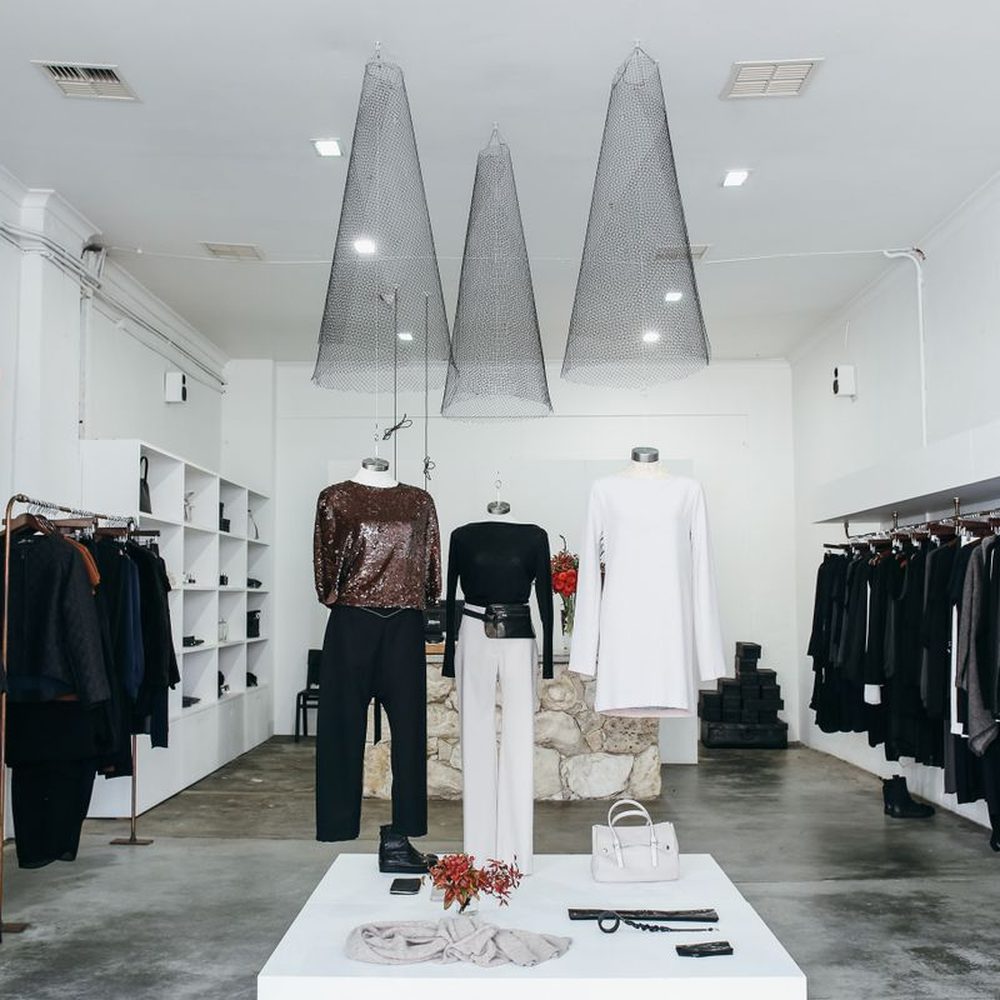
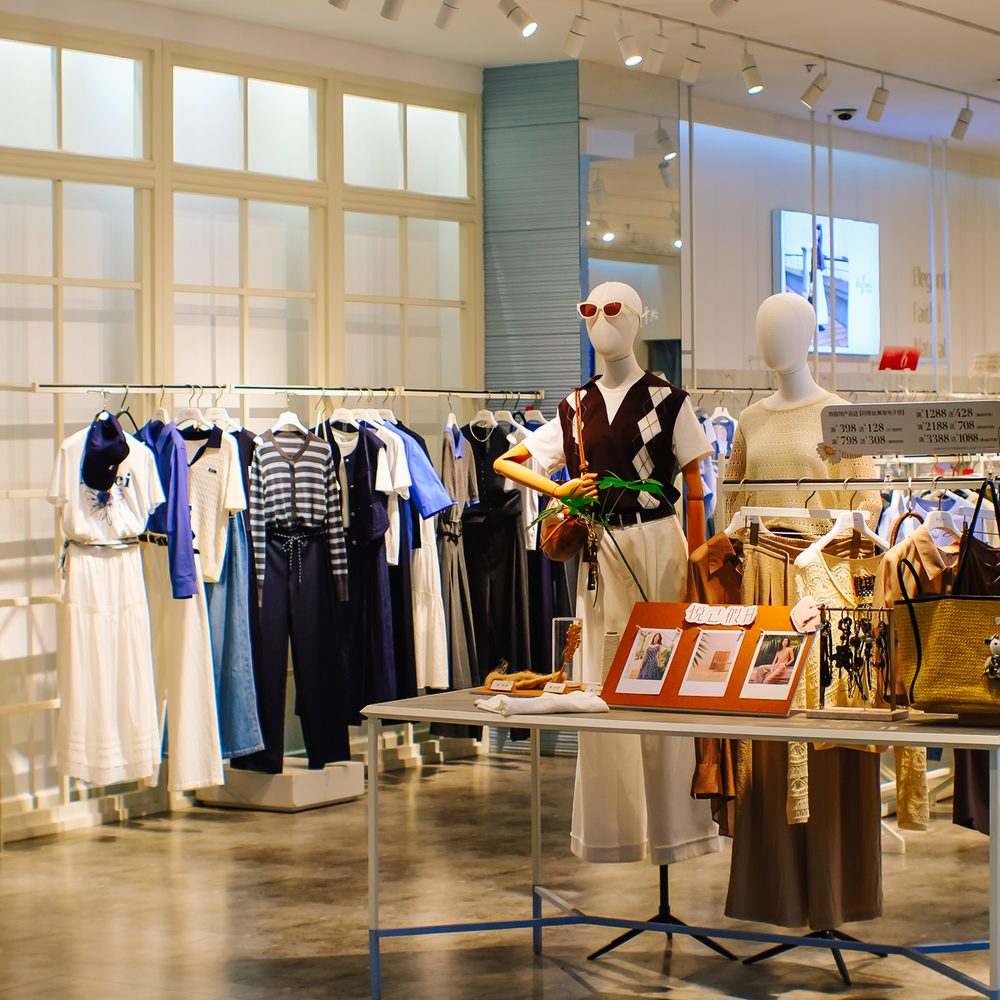
If you wholesale to boutiques, make sure store presentation matches your retail site. Poor presentation at a $250 price point will undercut perceived value. Provide retailers with visual merchandising suggestions and high-res imagery they can use in store or online.
Track, Test, Repeat
Pricing is not a set-and-forget task. Track sell-through rates, average order value, returns, and customer feedback. Use data to test small price changes or packaging upgrades. A $10 change on a $150 bag can shift perceived value less than you think, but it’s important to test incrementally.
Quarterly reviews of product profitability are essential. Keep a simple P&L per style that shows cost, overhead allocation, wholesale orders, returns, and net margin. Doing this will reveal slow sellers, unprofitable SKUs, and pieces that deserve more marketing spend.
- Monitor sell-through by channel
- Compare predicted vs actual return rates
- Test pricing in small increments
- Review product P&L quarterly
Frequently asked questions
How do I set wholesale discounts?
Should I use keystone pricing?
How do I handle samples for buyers?
When should I mark down inventory?
Where to go next
Pricing handbags for retail is practical work, not guesswork. Start with precise costs, decide on target margins, and translate those into retail and wholesale prices you can defend. Keep communications clear with retailers, build markdown and shipping allowances into your math, and review your numbers regularly.
If you want a simple pricing worksheet or to discuss how these rules apply to your line, send a note via our /contact page so we can help. You can browse current collections for positioning ideas or read more about our process for brand storytelling and product pages.

Written by the Feel N Flow studio
Everyday handbags, chosen and shipped from Tucson, Arizona.