Selling wholesale changes how you design, price, and produce handbags. It’s a different rhythm than DTC, with larger orders, longer lead times, and more relationship work. If you’re a maker who wants regular purchase orders from boutiques, this article walks you through the mechanics you actually need to know.
We’ll cover wholesale math, minimums and production planning, the exact elements buyers expect in a line sheet and sample pack, how to find and approach stores, and the systems that keep orders moving without chaos. Read it as a checklist you can use while you prepare your first pitch and first PO.
Why Wholesale Matters
Wholesale can stabilize revenue and increase your production efficiency. One wholesale order can cover the same labor and setup time as dozens of direct-to-consumer sales, so your cost per unit often drops as order size increases. Boutiques also expose your brand to customers who shop in person, which drives retail and online traffic back to your own store.
But wholesale also changes cash flow. You’ll wait longer between invoicing and payment, and you should expect smaller margins per piece than retail. Understanding that trade-off up front lets you set clear policies, minimum order quantities, and production timelines that protect your shop’s cash flow and sanity.
Pricing And Margins
Wholesale pricing isn’t just a discount off retail. A common approach is keystone pricing, where retail is roughly double wholesale. That means if your retail price for a crossbody is $150, expect a wholesale price around $75. But don’t use keystone as a rule without checking your costs first.
Do this math for each style: total materials, labor (actual hours times shop wage), packaging and labeling, overhead allocation (rent, utilities, equipment amortization), and a small buffer for defects or returns. Your wholesale price must leave enough margin for the retailer to mark up and still sell at market rates.
- Calculate landed cost per bag: materials + labor + packaging + overhead.
- Set a wholesale price that allows the retailer a 40%–60% margin if possible.
- Avoid selling below break-even to get an order — it creates cash flow holes.
Minimums And Production
Minimum order quantities (MOQs) are how you protect your economics. For a small bag brand, MOQs commonly run from 6 to 24 units per style per color. Choose an MOQ you can produce without straining capacity and that keeps unit costs acceptable.
Be explicit about lead time. If you need eight weeks to produce a 24-piece order, say eight weeks. Factor in material lead times, especially for custom hardware or special leathers. When you scale, consider tiered MOQs — smaller minimums for local stores you can service quickly, larger minimums for distant accounts.
Line Sheets And Samples
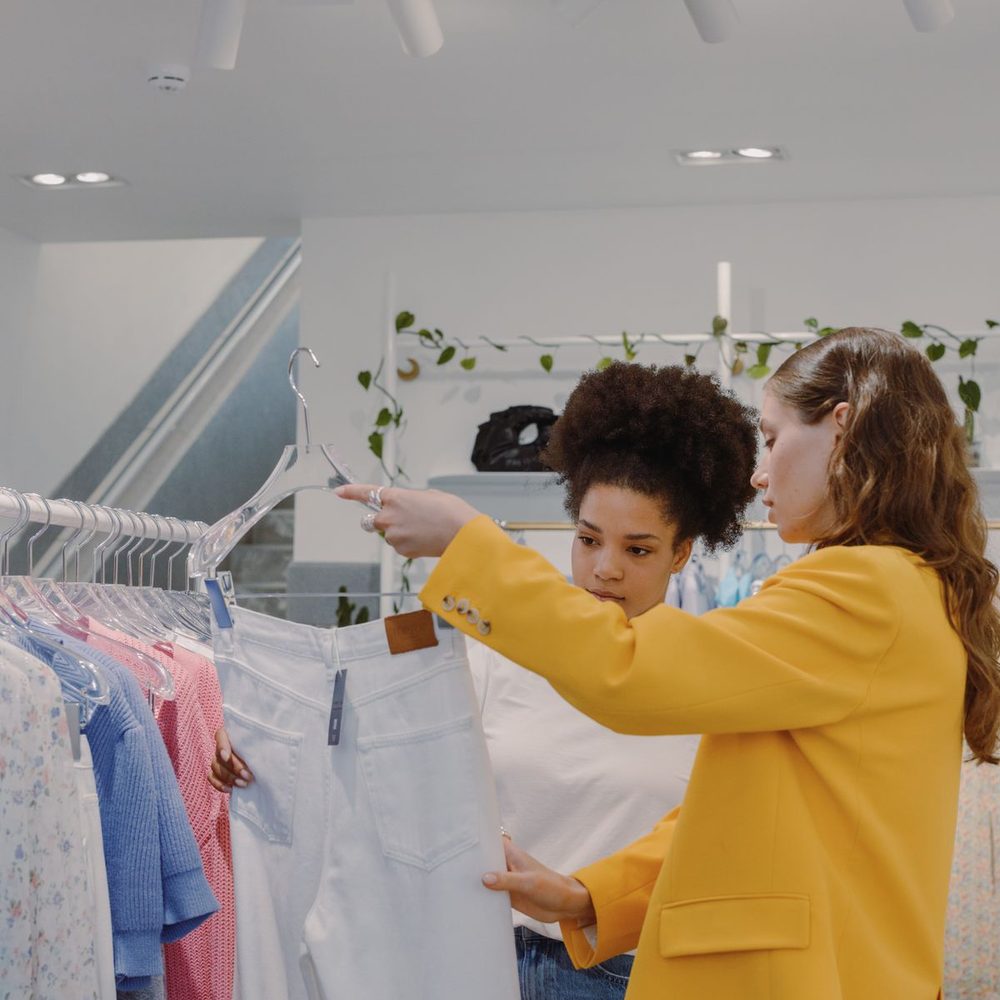
Boutique buyers make decisions fast. A clear line sheet and a clean sample kit remove friction. Your line sheet is a one-page document per collection that lists style names, SKU numbers, wholesale and suggested retail prices, colorways, dimensions, materials, and lead time. Keep it downloadable as a PDF and also easy to view from a phone.
Samples do the selling. Send one finished sample per style in the buyer’s preferred color when possible. Include a business card, a fabric or leather swatch, care instructions, and a printed line sheet. For large shows or distant buyers, consider a digital lookbook plus limited physical samples.
What To Include
Your line sheet must answer the buyer’s immediate questions: SKU, wholesale price, retail price, available colors, MOQ, lead time, and net terms. Add clear, well-lit photos of the bag from at least three angles and a simple spec sheet with measurements and weight.
Also include ordering instructions and return policy summary. If you offer custom colors or private-label options, note minimums and extra lead time clearly so buyers don’t assume it’s available by default.
Sample Strategy
Start with 3–6 core styles to produce polished samples for. Don’t send a dozen rough prototypes. High-quality finishing, neat stitching, and correct hardware are what convince a buyer your pieces will arrive ready for their customers.
If cost is a barrier, offer a sample loan program: the buyer pays a refundable deposit for a sample returned in sellable condition. That reduces your shipping risk and still lets buyers touch the product.
Finding Buyers
There are three practical channels to find accounts: local and regional boutiques, wholesale marketplaces, and trade shows. Start by researching stores whose aesthetic and price point match your bags. Walk in as a customer, note the brands they carry, and ask for the buyer’s name or wholesale contact when you leave a sample or introduction note. Online wholesale marketplaces are efficient. For boutiques, choose a sales system that lets you list products, manage orders, and offer net payment terms with integrated payments—many independent shops prefer that convenience. Keep your brand photos, line sheets, and policies current on any marketplace you join, and monitor messages daily.
- Visit local shops to build relationships in person.
- Use wholesale marketplaces for wider distribution and streamlined terms.
- Attend one targeted trade show for buyer meetings and PR exposure.
Order Fulfillment And Logistics
A smooth fulfillment process wins repeat orders. Decide early whether you will pack and ship orders from your studio or use a 3PL. For smaller brands, handling fulfillment in-house keeps costs down but takes time. As you scale past 200 units per month, a fulfillment partner often becomes cost-effective.
Document every step: who picks, who packs, labeling standards, and inspection checkpoints. Provide your retailers with tracking and a packing list. Clear communication about partial shipments, backorders, and timelines keeps buyers calm when reality shifts.
Inventory Partners
Choose a fulfillment partner that understands apparel and soft goods. Ask for references, minimum monthly fees, and how they handle returns and damaged goods. If you plan to sell on multiple channels, confirm they can manage inventory syncing across platforms.
Shipping Tips
Insure higher-value shipments and require signature on arrival for boutique orders. Use branded packing when possible, but if cost is a concern, prioritize protective inner packaging to avoid damage. Provide international buyers with harmonized system codes and a landed cost estimate so they can evaluate duties and taxes.
Terms And Policies
Set clear wholesale terms before you take your first PO. Common terms include net 30 payment, restocking fees for returns, and a clear cut-off for samples and cancellations. Include them on your invoice template, and if you have questions about wholesale setup or documentation, get in touch through /contact so we can help clarify what to include.
Decide whether you will offer consignment and what percentage you’ll accept. For new accounts with a good fit but limited cash, consignment can be a foot in the door, but require regular accounting and a return or buyout date. Make policies fair, but protect your margins and cash flow.
Building Long-Term Accounts
Wholesale is a relationship business. After the first order, keep communication proactive. Send merchants seasonal reorder reminders, product education sheets for sales staff, and high-res images they can use in-store. Offer occasional small exclusives, limited runs, or first access to new colors to deepen the commercial relationship.
Also track account performance. Note sell-through rates from reorder history and be ready to advise a buyer when a style isn’t moving. A good brand partner helps boutiques manage inventory, not just take orders.
Frequently asked questions
How much should I charge wholesale?
What is a reasonable MOQ for bags?
Should I join a wholesale marketplace?
What documents do buyers expect?
Where to go next
Getting into wholesale is a step-by-step process. Start small, keep your costs and timelines realistic, and treat buyers as long-term partners rather than one-off customers. The systems you build now, from product summaries to fulfillment checklists, will make future growth smoother. If you’re ready to start, gather your top 3 samples, prepare a one-page product summary, and begin a short list of ideal stores to approach. For trade details and how to contact us about potential partnerships, drop us a line through our contact page. See our finished work in the shop or learn more about our story at the shop and our story, and check local stockists at stores.
Written by the Feel N Flow studio
Everyday handbags, chosen and shipped from Tucson, Arizona.